
Titanium Coil and Strip: Applications in Heat Exchangers and Springs
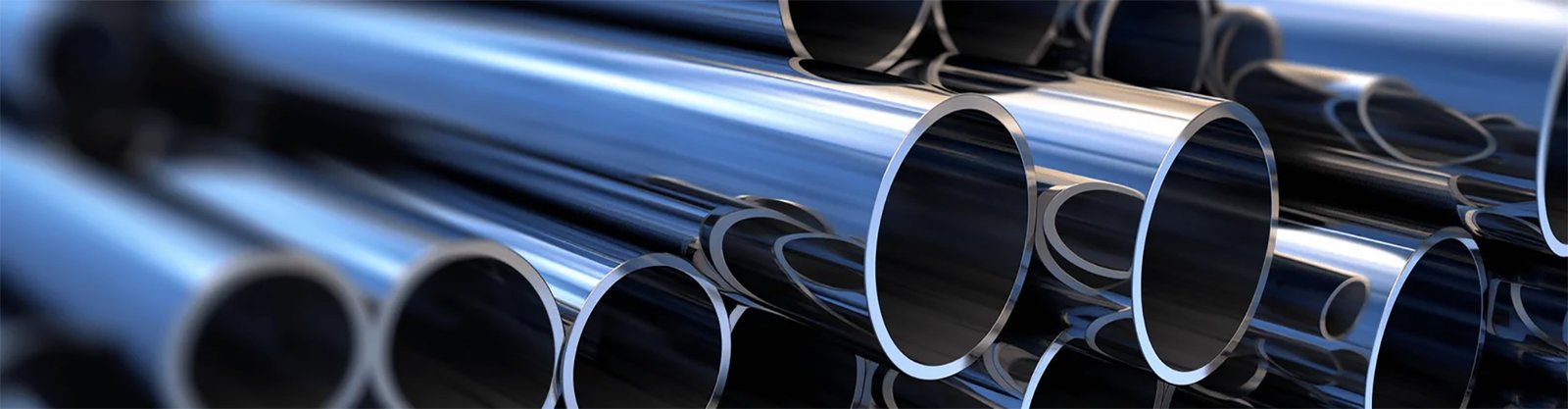
Titanium Coil and Strip are thin, flat titanium products supplied in coil or slit strip form for continuous processing, stamping, heat exchanger fabrication, spring components, chemical equipment, medical parts and precision industrial applications. Compared with titanium plate or bar, coil and strip are selected when buyers need thin gauge material, stable width tolerance, good surface quality, corrosion resistance and efficient production for formed or stamped parts.
For engineering buyers, the most important purchasing points are grade selection, thickness and width tolerance, surface finish, annealed or cold-worked condition, coil ID, coil weight, edge condition, certificate requirements and inspection control. Titanium strip for springs may require higher strength and stable forming behavior, while titanium coil for heat exchangers usually requires excellent corrosion resistance, clean surface and reliable traceability.
Introduction
Titanium Coil and Strip are used when engineers need thin titanium material for corrosion-resistant heat exchanger parts, formed components, spring elements, chemical processing equipment, medical devices and precision stamping; Grade 1 and Grade 2 are commonly selected for corrosion resistance and forming, Grade 5 is used for higher strength, and Grade 9 is often considered when a balance of strength, formability and corrosion resistance is required. To specify titanium coil and strip correctly, buyers should confirm grade, ASTM/ASME standard, thickness, width, temper, surface, edge type, coil weight, MTC and inspection requirements.
In heat exchangers, titanium coil and strip are valued for seawater corrosion resistance, chloride resistance and long service life. In spring applications, titanium strip can reduce weight while offering good fatigue performance and corrosion resistance. However, titanium is not selected only by grade name; the final material choice must consider operating medium, temperature, stress level, forming process, welding requirement, mechanical properties and quality documentation.
What Is Titanium Coil and Strip?
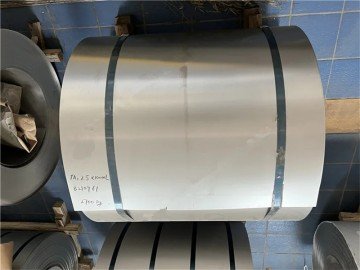
Titanium coil is titanium flat material supplied in rolled coil form, while titanium strip usually refers to narrower slit material cut from wider coil. Both forms are used for continuous production, stamping, bending, deep drawing, welded tube production, heat exchanger components, spring parts and precision fabrication. Titanium strip is especially useful when customers need narrow widths, controlled edges and stable dimensional tolerances.
Commercially pure titanium grades such as Grade 1, Grade 2, Grade 3 and Grade 4 are selected mainly for corrosion resistance and different strength levels. Titanium alloys such as Grade 5 Ti-6Al-4V and Grade 9 Ti-3Al-2.5V provide higher strength for demanding parts. The right choice depends on whether the application needs maximum formability, corrosion resistance, spring strength, welding performance or high strength-to-weight ratio.
Product Data for Titanium Coil and Strip
| Item | Details | Buyer Note |
|---|---|---|
| Product Name | Titanium Coil and Strip | Used for heat exchangers, springs, stamping, formed parts and precision industrial components. |
| Common Grades | Grade 1, Grade 2, Grade 3, Grade 4, Grade 5, Grade 7, Grade 9, Grade 12 | Grade selection should match corrosion medium, strength requirement and forming process. |
| Typical Thickness | 0.02 mm – 3.0 mm or customized | Ultra-thin foil and precision strip require tighter rolling and packaging control. |
| Width Range | Narrow strip to wide coil, slit according to order | Width tolerance and edge condition are important for stamping and automated feeding lines. |
| Surface Condition | Pickled, bright, polished, cold rolled, annealed | Surface should be selected according to heat exchanger, spring, medical or decorative requirements. |
| Edge Type | Slit edge, deburred edge, rounded edge by request | Deburred or rounded edge may be required for spring strip and precision stamping. |
Chemical Composition of Common Titanium Grades
The chemical composition of titanium coil and strip determines corrosion resistance, strength, formability and welding behavior. Commercially pure titanium grades mainly differ by oxygen and iron content, while titanium alloy grades contain strengthening elements such as aluminum, vanadium, palladium or nickel-molybdenum additions. Buyers should always check the chemical analysis on the MTC against the required standard and grade.
| Grade | UNS | Main Composition Feature | Material Selection Note |
|---|---|---|---|
| Grade 1 | UNS R50250 | Commercially pure titanium with low oxygen content | Excellent formability and corrosion resistance; suitable for deep drawing and heat exchanger parts. |
| Grade 2 | UNS R50400 | Commercially pure titanium with balanced strength and ductility | Most widely used CP titanium grade for chemical equipment and heat exchangers. |
| Grade 3 | UNS R50550 | Higher oxygen CP titanium for increased strength | Used where higher strength is required while maintaining CP titanium corrosion resistance. |
| Grade 5 | UNS R56400 | Ti-6Al-4V alloy with aluminum and vanadium | High strength titanium alloy for aerospace, medical and high-load spring-related parts. |
| Grade 7 | UNS R52400 | CP titanium with palladium addition | Recommended for stronger corrosion resistance in reducing acid conditions. |
| Grade 9 | UNS R56320 | Ti-3Al-2.5V alloy | Good balance of strength, formability and corrosion resistance for tubing, strip and spring applications. |
| Grade 12 | UNS R53400 | Ti-Ni-Mo alloy | Used for improved crevice corrosion resistance in chemical and heat exchanger service. |
Mechanical Properties of Titanium Coil and Strip
Mechanical properties of titanium coil and strip depend on grade, thickness, rolling process, annealing condition and cold work level. For heat exchanger parts, ductility and corrosion resistance are often more important than maximum strength. For spring strip, tensile strength, yield strength, elastic behavior and fatigue resistance become key selection factors.
| Grade | Typical Strength Level | Formability | Common Application Direction |
|---|---|---|---|
| Grade 1 | Lowest strength among common CP titanium grades | Excellent | Deep drawing, formed heat exchanger parts and chemical equipment linings. |
| Grade 2 | Medium CP titanium strength | Very good | Heat exchangers, chemical processing, seawater systems and general industrial strip. |
| Grade 3 | Higher than Grade 2 | Good | Applications requiring higher strength and moderate forming capability. |
| Grade 5 | High strength titanium alloy | Lower than CP titanium | High-load spring parts, aerospace components, medical and precision parts. |
| Grade 9 | Higher than Grade 2, lower than Grade 5 | Good | Spring strip, tubing strip, bicycle parts, aerospace and industrial structures. |
Applicable Standards and Equivalent Grades
Titanium coil and strip are usually ordered according to ASTM, ASME, AMS, EN, DIN, JIS or customer drawing requirements. ASTM B265 is commonly used for titanium sheet, strip and plate products. For pressure equipment or heat exchanger projects, ASME references, customer project specifications and inspection requirements should be confirmed before production.
| Material Grade | UNS | Common Standards | Typical Product Form |
|---|---|---|---|
| Titanium Grade 1 | UNS R50250 | ASTM B265 / ASME SB265 | Coil, strip, sheet and formed parts. |
| Titanium Grade 2 | UNS R50400 | ASTM B265 / ASME SB265 | Heat exchanger strip, chemical equipment strip and general coil. |
| Titanium Grade 5 | UNS R56400 | ASTM B265 / AMS specifications by project | High-strength strip, precision parts and aerospace-related applications. |
| Titanium Grade 7 | UNS R52400 | ASTM B265 / ASME SB265 | Corrosion-resistant strip for chemical and acid service. |
| Titanium Grade 9 | UNS R56320 | ASTM B265 / ASTM B338 related tube strip applications | Spring strip, tubing strip and lightweight structural parts. |
| Titanium Grade 12 | UNS R53400 | ASTM B265 / ASME SB265 | Heat exchangers, chemical processing and crevice corrosion resistance applications. |
Quality Testing and Material Traceability
Titanium coil and strip quality control should focus on chemical composition, mechanical properties, surface condition, thickness tolerance, width tolerance, edge quality, coil condition and traceability. For heat exchanger and spring applications, even small variation in thickness, edge burr or surface defects may affect production performance.
A reliable supplier should provide Mill Test Certificate or EN 10204 3.1 MTC, heat number or batch number control, packing labels, inspection photos and optional third-party inspection. For high-value titanium orders, PMI testing is useful for anti-fake material control, especially when multiple titanium grades are purchased together.
| Quality Item | Inspection Purpose | Recommended for |
|---|---|---|
| Chemical Composition Check | Confirms grade identity and compliance with ASTM/ASME or customer standard. | All titanium coil and strip export orders. |
| Mechanical Testing | Verifies tensile strength, yield strength and elongation. | Spring strip, structural strip and high-strength alloy grades. |
| Thickness and Width Inspection | Controls dimensional consistency for stamping, feeding and forming lines. | Precision strip, spring production and heat exchanger manufacturing. |
| Surface Inspection | Checks scratches, pits, stains, oil marks, roll marks and oxidation defects. | Visible components, medical parts, heat exchanger parts and precision stamping. |
| PMI Testing | Provides quick alloy verification and reduces wrong-grade risk. | Mixed-grade titanium orders and anti-fake material control. |
| UT Testing | Checks internal soundness when required by special projects. | Normally more common for plate, bar or heavy sections; optional for special strip requirements. |
| Third-party Inspection | Independent confirmation by SGS, BV, TÜV, Intertek or customer inspector. | Large orders, first cooperation and critical heat exchanger or spring applications. |
Comparison With Similar Materials
Titanium coil and strip are often compared with stainless steel strip, nickel alloy strip and copper alloy strip. Titanium is not always the lowest-cost choice, but it offers a strong combination of corrosion resistance, low density and biocompatibility. The final material selection should consider corrosion medium, weight target, strength requirement, fatigue performance, temperature and fabrication process.
| Material | Main Advantage | Limitation | Typical Selection Scenario |
|---|---|---|---|
| Titanium Coil and Strip | Excellent corrosion resistance, low density and good strength-to-weight ratio. | Higher material cost and stricter forming/welding control than common metals. | Heat exchangers, springs, seawater systems, medical and chemical processing parts. |
| 316L Stainless Steel Strip | Good general corrosion resistance and wide availability. | Less resistant than titanium in many chloride and seawater environments. | General industrial strip, food equipment and lower-cost corrosion-resistant parts. |
| Duplex Stainless Steel Strip | Higher strength than austenitic stainless steel and good chloride resistance. | Heavier than titanium and may require careful welding control. | Marine structures, chemical equipment and higher-strength stainless applications. |
| Nickel Alloy Strip | Excellent resistance to severe chemical and high-temperature environments. | High density and higher cost in many grades. | Severe acid, high temperature, aerospace and specialty chemical service. |
| Copper Alloy Strip | High thermal and electrical conductivity. | Lower strength-to-weight ratio and different corrosion behavior compared with titanium. | Electrical connectors, conductive springs and heat transfer parts where conductivity dominates. |
Industrial Applications of Titanium Coil and Strip
Titanium Coil and Strip are used in industries where corrosion resistance, low weight, clean surface and reliable forming behavior are required. The two most common high-value application scenarios are heat exchanger fabrication and spring production, but the material is also widely used in chemical equipment, medical components, aerospace parts, electronics and precision stamping.
| Industry | Application Scenario | Recommended Grades | Material Benefit |
|---|---|---|---|
| Heat Exchangers | Tube sheets, fin stock, formed plates, separator parts and corrosion-resistant components | Grade 1, Grade 2, Grade 7, Grade 12 | Excellent seawater and chloride corrosion resistance for long service life. |
| Spring Manufacturing | Flat springs, contact springs, clips, elastic elements and precision stamped springs | Grade 5, Grade 9, cold-worked CP grades by design | Low weight, corrosion resistance and good fatigue performance in selected designs. |
| Chemical Processing | Gaskets, liners, tank parts, separator strips and corrosion-resistant formed parts | Grade 2, Grade 7, Grade 12 | Resists many aggressive chemical and chloride-containing environments. |
| Medical and Dental | Precision stamped parts, implant-related components and device parts | Grade 2, Grade 5 ELI by project | Biocompatibility, clean surface and high strength-to-weight ratio. |
| Aerospace and Lightweight Structures | Shims, clips, brackets, flexible components and lightweight stamped parts | Grade 5, Grade 9 | High strength, low density and stable performance in demanding service. |
| Electronics and Precision Stamping | Small precision parts, shielding components, clips and formed strip parts | Grade 1, Grade 2, Grade 5, Grade 9 | Good dimensional control, clean surface and corrosion resistance. |
Material Selection for Heat Exchangers and Springs
For heat exchanger applications, Grade 2 titanium strip is often the first option because it provides a good balance of corrosion resistance, strength and availability. Grade 1 may be selected when more forming is required, while Grade 7 or Grade 12 may be considered for more aggressive corrosion conditions. For spring applications, Grade 5 and Grade 9 are often reviewed because they provide higher strength than commercially pure titanium grades.
Recommended Grade Selection by Application
| Application Requirement | Recommended Grade | Reason |
|---|---|---|
| Maximum formability for formed heat exchanger parts | Grade 1 | Lowest strength CP titanium with excellent ductility and forming performance. |
| General seawater heat exchanger components | Grade 2 | Good corrosion resistance, availability and balanced mechanical properties. |
| Severe chemical or crevice corrosion concern | Grade 7 / Grade 12 | Improved corrosion resistance compared with standard CP titanium in selected environments. |
| High-strength spring strip | Grade 5 | High strength Ti-6Al-4V alloy for demanding elastic components. |
| Spring strip requiring strength and better formability | Grade 9 | Balanced strength, formability and corrosion resistance. |
Limitations and Buyer Mistakes to Avoid
Titanium coil and strip offer excellent performance, but buyers should not ignore processing limitations. Titanium has different forming behavior from stainless steel or copper alloys. Spring design requires careful review of strength, bend radius, fatigue requirement and heat treatment condition. Heat exchanger fabrication requires clean surface, controlled thickness and good corrosion compatibility with the working medium.
Common Purchasing Mistakes
| Mistake | Risk | Correct Approach |
|---|---|---|
| Only specifying “titanium strip” without grade | Wrong material selection and failed engineering approval. | Specify Grade 1, Grade 2, Grade 5, Grade 9 or other required grade with UNS number. |
| Ignoring temper or cold work condition | Spring performance or forming behavior may not meet expectations. | Confirm annealed, cold rolled, stress relieved or project-specific condition. |
| Not controlling edge quality | Burrs can affect spring fatigue life, stamping quality and operator safety. | Request slit edge, deburred edge or rounded edge according to application. |
| Using Grade 5 for all high-strength strip applications | Forming difficulty or unnecessary cost may occur. | Compare Grade 5 with Grade 9 or cold-worked CP titanium depending on spring design. |
| Accepting certificate without heat number control | Material traceability becomes weak during project inspection. | Require matching heat number or batch number on MTC, labels and packing list. |
Why Choose Titanium Coil and Strip?
Titanium coil and strip are chosen because they combine corrosion resistance, low density, clean surface quality and reliable performance in thin gauge applications. In heat exchangers, titanium helps resist seawater and chloride corrosion. In spring applications, titanium can reduce component weight and improve corrosion resistance compared with many steel materials.
For industrial buyers, titanium strip also supports efficient production because narrow slit widths can be supplied for stamping and forming lines. With controlled thickness, edge quality and coil packing, customers can reduce production waste and improve manufacturing stability. For export projects, reliable MTC, inspection records and packaging are essential to support material acceptance.
Export Packaging, Coil Handling and Delivery Capability
Titanium coil and strip require careful packaging to prevent edge damage, surface scratches, moisture exposure and coil deformation during transportation. Common export packing includes paper interleaving, plastic film, moisture-proof wrapping, metal or wooden pallets, wooden cases and clear labels showing grade, size, heat number, coil number and net weight.
For narrow titanium strip, coil ID, OD, coil weight and winding direction should be confirmed before production. For automated stamping or spring production, consistent coil size helps reduce feeding problems. For heat exchanger manufacturers, clean surface, stable thickness and safe packing are important to avoid additional cleaning or rejection before fabrication.
Related Titanium Products
SAKY ALLOY supplies titanium coil, strip, sheet, plate, bar, wire, tube, pipe and fittings for chemical processing, heat exchangers, aerospace, medical, marine and industrial applications. Buyers can combine different titanium product forms in one inquiry to simplify specification checking, documentation control and export packing.
| Related Product | Common Grades | Typical Use |
|---|---|---|
| Titanium Sheet and Plate | Grade 1, Grade 2, Grade 5, Grade 7, Grade 12 | Heat exchangers, vessels, chemical equipment and fabricated parts. |
| Titanium Bar | Grade 2, Grade 5, Grade 9, Grade 23 | Machined parts, fasteners, shafts, medical and aerospace components. |
| Titanium Tube and Pipe | Grade 1, Grade 2, Grade 7, Grade 12 | Heat exchangers, condensers, seawater systems and chemical piping. |
| Titanium Wire | Grade 1, Grade 2, Grade 5, Grade 9 | Springs, welding wire, medical parts and precision components. |
FAQ About Titanium Coil and Strip
1. What is titanium coil and strip used for?
Titanium coil and strip are used for heat exchanger parts, spring components, precision stamping, chemical equipment, medical devices, aerospace shims, clips, liners and corrosion-resistant formed parts.
2. Which titanium grade is best for heat exchangers?
Grade 2 is commonly selected for general heat exchanger applications because it offers a good balance of corrosion resistance, strength and availability. Grade 1 may be used for better forming, while Grade 7 or Grade 12 can be considered for more aggressive corrosion conditions.
3. Which titanium grade is suitable for springs?
Grade 5 and Grade 9 are often considered for titanium spring strip because they provide higher strength than commercially pure titanium. The final choice should be based on spring design, forming process, fatigue requirement and operating environment.
4. What information should I provide for a quotation?
Please provide titanium grade, standard, thickness, width, coil ID, coil weight, surface finish, edge type, temper or condition, quantity, certificate requirement and destination port. Drawings or application details are helpful for spring and heat exchanger projects.
5. Can titanium strip be supplied with EN 10204 3.1 MTC?
Yes. Titanium coil and strip can be supplied with Mill Test Certificate or EN 10204 3.1 certificate showing grade, heat number or batch number, chemical composition, mechanical properties, size and inspection results.
6. What surface finishes are available?
Common surface finishes include pickled, cold rolled, bright, polished and annealed surface. The correct surface should be selected according to forming, stamping, heat exchanger fabrication or visible part requirements.
7. What are the limitations of titanium strip?
Titanium strip has higher material cost than stainless steel and requires proper forming, welding and surface handling. For spring applications, grade, temper, bend radius and fatigue performance should be confirmed before mass production.
Conclusion
Titanium Coil and Strip are important flat titanium products for heat exchangers, springs, chemical equipment, precision stamping, medical parts and lightweight industrial components. Grade 1 and Grade 2 are widely used for corrosion resistance and forming, while Grade 5 and Grade 9 are selected when higher strength or spring performance is required. Grade 7 and Grade 12 provide additional corrosion resistance for more demanding chemical conditions.
For reliable procurement, buyers should specify grade, standard, thickness, width, temper, surface finish, edge condition, coil size, certificate, PMI testing and third-party inspection requirements clearly. Strong heat number control, MTC review, dimensional inspection and export packaging help reduce risk and improve production stability for titanium coil and strip applications.
Call To Action
Request a Quotation for Titanium Coil and Strip
Contact SAKY ALLOY for Titanium Coil and Strip quotation, MTC, PMI testing, customized thickness, slit width, surface finish, edge condition, export packaging and delivery support.
Please send your required titanium grade, standard, thickness, width, coil ID, coil weight, surface finish, edge type, quantity, certificate requirement and destination port. Our technical and sales team can help check your specification and recommend suitable titanium material for heat exchangers, springs and industrial applications.