
Titanium Fittings: Elbows, Tees and Reducers for Acid and Seawater Systems
Introduction
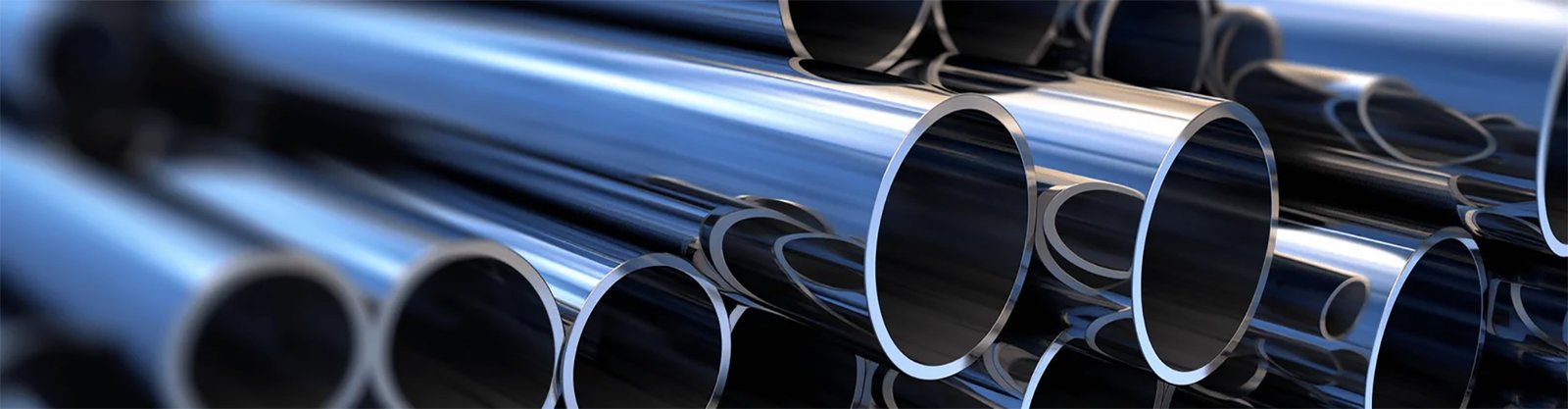
Titanium fittings are selected for acid and seawater piping systems because they provide lightweight construction, excellent corrosion resistance, reliable weldability and long service life in chloride-rich, oxidizing and many aggressive industrial environments. For buyers choosing titanium elbows, titanium tees and titanium reducers, Grade 2 is commonly recommended for seawater, desalination and general chemical piping, Grade 5 is selected when higher strength is required, while Grade 7 and Grade 12 may be considered for more demanding acid or elevated-temperature service conditions.
In piping systems, fittings are not secondary accessories. Elbows change flow direction, tees divide or combine flow, reducers connect different pipe sizes, and caps or stub ends complete the piping layout. If the fitting material is not compatible with the pipe, flange, gasket, medium and design pressure, corrosion or leakage may occur at the connection point. This is why titanium fittings are widely used in seawater cooling systems, desalination plants, chemical processing lines, heat exchangers, offshore equipment and acid transfer pipelines.
SAKY ALLOY supplies titanium fittings, titanium pipe, titanium tube, titanium flanges, titanium plate, titanium bar and customized titanium components for industrial projects. This article explains the application scenarios, material benefits, recommended grades, limitations, standards, testing requirements and purchasing notes for titanium fittings used in acid and seawater piping systems.
What Are Titanium Fittings?
Titanium fittings are pipe connection components manufactured from commercially pure titanium or titanium alloy materials. They are used to connect, redirect, branch, reduce or terminate titanium piping systems. Common titanium pipe fittings include elbows, tees, reducers, caps, stub ends, crosses, couplings, nipples and custom machined fittings.
Titanium fittings may be manufactured by forming, forging, machining or welding depending on size, wall thickness, standard and application. They can be supplied as seamless fittings, welded fittings, butt-weld fittings, socket weld fittings, threaded fittings or custom fittings according to ASME, ASTM, EN, DIN, JIS or project drawings.
Common Titanium Fitting Types
| Fitting Type | Function in Piping | Common Application | Buyer Note |
|---|---|---|---|
| Titanium Elbow | Changes pipe direction, commonly 45°, 90° or 180°. | Seawater systems, chemical pipework, heat exchanger connections and desalination plants. | Confirm long radius or short radius, wall thickness and end preparation. |
| Titanium Tee | Divides or combines fluid flow in piping systems. | Acid distribution lines, cooling water systems and process pipe branches. | Specify equal tee or reducing tee and branch size clearly. |
| Titanium Reducer | Connects pipes of different diameters. | Pump lines, process piping, equipment nozzles and heat exchanger systems. | Confirm concentric or eccentric type and both end sizes. |
| Titanium Stub End | Used with lap joint flanges for detachable connections. | Seawater piping, chemical systems and equipment connections requiring maintenance. | Match stub end dimensions with lap joint flange and pipe schedule. |
| Titanium Cap | Closes pipe ends or equipment outlets. | Pressure piping, chemical lines and temporary or permanent pipe closure. | Confirm end type, pressure requirement and welding design. |
Chemical Composition of Titanium Fitting Grades
Titanium fittings are supplied in several grades depending on corrosion environment, strength requirement and design code. Commercially pure titanium grades such as Grade 1, Grade 2 and Grade 3 are mainly controlled by oxygen, iron, nitrogen, carbon and hydrogen levels. Grade 2 is the most common industrial grade because it offers a balanced combination of strength, ductility, weldability and corrosion resistance.
For more demanding service, titanium Grade 5 provides higher strength through aluminum and vanadium additions. Grade 7 contains palladium to improve corrosion resistance in selected reducing acid environments. Grade 12 contains nickel and molybdenum to improve strength and resistance in some elevated-temperature and corrosive applications. Buyers should check the chemical composition on the EN 10204 3.1 MTC or equivalent certificate and verify that the grade matches the connected pipe and flange materials.
Chemical Composition Table
| Grade | UNS | Main Composition Feature | Typical Fitting Application |
|---|---|---|---|
| Titanium Grade 1 | R50250 | Commercially pure titanium with very low oxygen and excellent ductility. | Low-strength fittings where formability and corrosion resistance are prioritized. |
| Titanium Grade 2 | R50400 | Commercially pure titanium with balanced strength, ductility and weldability. | Most common grade for titanium elbows, tees and reducers in seawater and chemical piping. |
| Titanium Grade 5 | R56400 | Ti-6Al-4V alloy with aluminum and vanadium for high strength. | High-strength lightweight fittings and special equipment connections. |
| Titanium Grade 7 | R52400 | Commercially pure titanium with palladium addition. | Fittings for selected reducing acid and severe chemical environments. |
| Titanium Grade 12 | R53400 | Titanium with nickel and molybdenum additions. | Fittings for higher strength and selected elevated-temperature corrosion service. |
Mechanical Properties and Grade Selection
Mechanical properties are important when titanium fittings are used in pressure piping, pump systems, heat exchangers and chemical process lines. The fitting grade must match the required pressure, wall thickness, welding design and service environment. Grade 2 titanium fittings provide practical strength for many industrial systems, while Grade 5 offers much higher strength for special lightweight or high-load applications.
For butt-weld titanium fittings, buyers should confirm wall thickness, end bevel, dimensional tolerance, forming method and heat treatment condition. For pressure systems, mechanical properties should be checked together with applicable dimensional standards and project design codes.
Mechanical Properties Table
| Grade | Typical Tensile Strength | Typical Yield Strength | Elongation Trend | Recommended Use |
|---|---|---|---|---|
| Grade 1 | Approx. 240 MPa min | Approx. 170 MPa min | Very high | Low-pressure fittings requiring excellent ductility and corrosion resistance. |
| Grade 2 | Approx. 345 MPa min | Approx. 275 MPa min | Good | General titanium elbows, tees and reducers for seawater and chemical systems. |
| Grade 5 | Approx. 895 MPa min | Approx. 825 MPa min | Moderate | High-strength lightweight fittings and special equipment applications. |
| Grade 7 | Similar to Grade 2 range | Similar to Grade 2 range | Good | Fittings for selected reducing acid environments requiring enhanced corrosion resistance. |
| Grade 12 | Approx. 483 MPa min | Approx. 345 MPa min | Good to moderate | Improved strength and corrosion resistance for selected industrial piping systems. |
Applicable Standards and Equivalent Grades
Titanium fittings may be supplied according to ASTM material standards and ASME, EN, DIN or JIS dimensional standards. ASTM B363 is commonly referenced for titanium and titanium alloy seamless and welded fittings. Matching titanium pipe may follow ASTM B337, ASTM B338, ASTM B861 or ASTM B862 depending on product form and service requirements. Titanium bar, plate and forging materials may follow ASTM B348, ASTM B265 or ASTM B381.
Dimensional standards for butt-weld fittings may include ASME B16.9, while socket weld or threaded fittings may follow ASME B16.11 when applicable. Project drawings are also common for non-standard titanium reducers, custom elbows, special tees and equipment connection fittings.
Standards / Equivalent Grades Table
| Grade | UNS | Common Material Standard | Common Fitting Standard | Related Product Link |
|---|---|---|---|---|
| Titanium Grade 2 | R50400 | ASTM B363, ASTM B337, ASTM B338, ASTM B861, ASTM B862 | ASME B16.9, ASME B16.11, DIN, EN, JIS or drawing | Titanium Fittings |
| Titanium Grade 5 | R56400 | ASTM B363, ASTM B348, ASTM B381, ASTM B265 | ASME, EN, DIN, JIS or custom drawing | Titanium Bar |
| Titanium Grade 7 | R52400 | ASTM B363, ASTM B348, ASTM B265 | Project-specific corrosion-resistant fitting design | Titanium Plate |
| Titanium Grade 12 | R53400 | ASTM B363, ASTM B348, ASTM B265 | ASME, EN, DIN, JIS or custom machining standard | Titanium Pipe |
Industrial Applications of Titanium Fittings
Titanium fittings are widely used in piping systems where stainless steel, carbon steel or copper alloys may not provide sufficient corrosion resistance. In seawater systems, titanium elbows and tees resist chloride corrosion and pitting. In chemical processing, titanium reducers and custom fittings help connect reactors, pumps, tanks and heat exchangers handling corrosive media. In desalination plants, titanium fittings are often used with titanium tubes, titanium pipe and titanium flanges to provide a long-life piping system.
The correct fitting grade depends on the application scenario. Grade 2 is suitable for most seawater, brine and general chemical applications. Grade 7 may be used when reducing acid resistance is required. Grade 12 may be selected where additional strength and corrosion resistance are needed. Grade 5 is commonly selected for high-strength lightweight systems rather than standard chemical piping.
Industrial Applications Table
| Application | Recommended Grade | Common Fitting Type | Buyer Review Point |
|---|---|---|---|
| Seawater Cooling System | Grade 2 | Elbow, tee, reducer, stub end | Confirm chloride exposure, flow velocity, gasket and bolt material compatibility. |
| Desalination Plant | Grade 2 / Grade 12 | Reducer, elbow, tee, cap | Review brine concentration, pressure, temperature and maintenance access. |
| Chemical Processing | Grade 2 / Grade 7 / Grade 12 | Elbow, tee, reducer, custom fitting | Confirm chemical medium, concentration, temperature, impurities and pH. |
| Heat Exchanger Piping | Grade 2 | Elbow, reducer, stub end | Match fitting material with titanium tube, tube sheet and flange materials. |
| Offshore and Marine Equipment | Grade 2 / Grade 5 | Elbow, tee, reducer, custom fitting | Check vibration, weight target, corrosion exposure and pressure class. |
| Acid Transfer Lines | Grade 2 / Grade 7 depending on acid condition | Elbow, tee, reducer, cap | Review exact acid type, concentration, temperature and oxidizing or reducing behavior. |
Comparison With Similar Fitting Materials
Titanium fittings are often compared with stainless steel fittings, duplex fittings, super duplex fittings, nickel alloy fittings and zirconium fittings. The best material depends on corrosion medium, pressure, temperature, weight target, service life expectation and project budget. Titanium provides a strong advantage in seawater and chloride-rich environments because of its stable protective oxide film.
However, titanium is not the best material for every chemical environment. In some highly reducing acids, very high-temperature systems or special mixed chemical conditions, nickel alloys, zirconium or other specialty metals may be more suitable. Buyers should evaluate actual working conditions before final material approval.
Material Comparison Table
| Material | Main Advantage | Compared With Titanium Fittings | Selection Advice |
|---|---|---|---|
| 316L Stainless Steel Fittings | Cost-effective and widely available. | Lower resistance to seawater pitting and chloride stress corrosion cracking. | Use for mild corrosion; upgrade to titanium for seawater and high chloride service. |
| Duplex 2205 Fittings | High strength and better chloride resistance than 316L. | Heavier than titanium and may not match titanium performance in clean seawater systems. | Use when high strength and lower cost are more important than weight reduction. |
| Super Duplex 2507 Fittings | Very high strength and strong chloride resistance. | Higher strength than Grade 2 titanium but heavier and with temperature limitations. | Compare design pressure, temperature, chloride level and total lifecycle cost. |
| Nickel Alloy Fittings | Excellent resistance in many severe chemical environments. | Usually heavier; may perform better in certain acids where titanium is limited. | Use when process chemistry requires nickel alloy corrosion resistance. |
| Titanium Fittings | Lightweight, excellent seawater resistance and long service life. | Higher cost than common stainless steel and requires careful fabrication control. | Recommended for seawater, desalination, chemical and lightweight corrosion-resistant piping. |
Material Benefits and Limitations
The main benefits of titanium fittings include excellent resistance to seawater and chloride environments, low density, good strength-to-weight ratio, compatibility with titanium piping systems and long service life in many corrosive environments. These advantages make titanium fittings valuable for desalination systems, marine equipment, chemical processing, offshore platforms and heat exchanger piping.
Titanium fittings also have limitations. They are usually more expensive than carbon steel or common stainless steel fittings. Titanium welding requires clean conditions and proper shielding gas protection. In some strongly reducing acid environments, standard Grade 2 may not be sufficient, and Grade 7, Grade 12 or alternative corrosion-resistant alloys should be evaluated.
Benefits and Limitations Table
| Item | Material Benefit | Limitation / Buyer Warning |
|---|---|---|
| Seawater Resistance | Excellent resistance to seawater, chloride attack and many marine environments. | Galvanic corrosion with dissimilar metals must be considered in system design. |
| Acid Service | Good performance in many oxidizing acid and chloride-containing systems. | Not suitable for all reducing acids; chemical details must be reviewed. |
| Weight Reduction | Lower density than steel and nickel alloys, useful for offshore and marine equipment. | Fitting wall thickness must still meet pressure and design code requirements. |
| Weldability | Commercially pure titanium grades have good weldability when properly handled. | Titanium welding needs clean preparation and proper argon shielding. |
| Lifecycle Cost | Long service life can reduce maintenance and replacement cost. | Initial purchase cost is higher than common stainless steel or carbon steel fittings. |
Quality Testing and Material Traceability
For titanium fittings used in acid and seawater systems, material traceability is critical. Each fitting should be traceable by heat number or batch number, and this information should match the EN 10204 3.1 MTC, fitting marking, package label and packing list. Traceability helps prevent material mix-up and supports project acceptance for chemical, marine, desalination and pressure piping systems.
Quality testing may include chemical composition analysis, mechanical testing, dimensional inspection, visual inspection, PMI testing, UT testing, hardness testing, wall thickness inspection, end bevel inspection and third-party inspection. For butt-weld titanium fittings, the outside diameter, wall thickness, center-to-end dimension, radius, branch size and end preparation should be checked carefully.
Inspection and Certificate Checklist
| Quality Item | What to Check | Why It Matters |
|---|---|---|
| EN 10204 3.1 MTC | Titanium grade, UNS number, heat number, chemical composition, mechanical properties and standard. | Confirms material compliance for industrial and export orders. |
| Heat Number Control | Match MTC, fitting marking, package label and packing list. | Maintains traceability and supports anti-fake material control. |
| PMI Testing | Confirm titanium grade and alloying elements such as Al, V, Pd, Ni or Mo when applicable. | Helps prevent material substitution and grade mix-up. |
| Dimensional Inspection | OD, wall thickness, radius, center-to-end dimension, branch size and end bevel. | Ensures installation compatibility and welding reliability. |
| UT Testing | Internal soundness of thick or forged titanium fittings when required. | Important for critical pressure piping and custom heavy-wall fittings. |
| Third-party Inspection | SGS, BV, TÜV, DNV, Lloyd’s or customer-designated inspection agency. | Provides independent verification for critical project orders. |
| Export Packaging | Surface protection, end protection, plastic wrapping, foam, wooden case and clear labels. | Protects fitting surfaces and traceability during international transport. |
Recommended Grades and Related Products
For most seawater, desalination and general chemical piping systems, Grade 2 titanium fittings are the practical standard choice. For high-strength lightweight piping or special equipment, Grade 5 may be selected. For reducing acid environments, Grade 7 can be considered. For systems requiring better strength and selected corrosion performance, Grade 12 may be reviewed.
A complete titanium piping system may include titanium pipe, titanium tube, titanium elbows, titanium tees, titanium reducers, titanium caps, titanium stub ends, titanium flanges, titanium plates, titanium bars and titanium bolts. Buyers should confirm compatibility across all connected parts to avoid galvanic corrosion, sealing problems or material mismatch.
Recommended Product Selection Table
| Buyer Requirement | Recommended Material / Product | Reason |
|---|---|---|
| General seawater piping | Titanium Grade 2 elbows, tees and reducers | Excellent seawater resistance with practical weldability and availability. |
| Acid process line | Grade 2, Grade 7 or Grade 12 titanium fittings | Selection depends on acid type, concentration, temperature and impurities. |
| High-strength lightweight connection | Titanium Grade 5 fittings | Higher strength-to-weight ratio for special equipment and aerospace-related use. |
| Complete titanium piping package | Titanium pipe, tube, fittings and flanges | Ensures material compatibility and traceability across the piping system. |
| Custom equipment connection | Custom machined titanium fitting | Allows special dimensions, angles, end types and drawing-based production. |
Purchasing Notes for Titanium Fittings
A professional titanium fitting inquiry should include material grade, fitting type, standard, pipe size, wall thickness or schedule, radius, end type, quantity, application medium, inspection requirements and delivery schedule. For reducers, both large-end and small-end sizes must be stated clearly. For tees, buyers should confirm equal tee or reducing tee. For elbows, buyers should confirm angle, radius and wall thickness.
Surface condition is also important. Titanium fittings may be supplied as pickled, machined, sandblasted, polished or customized according to application. For butt-weld fittings, end bevel quality and cleanliness are important for welding. For export shipments, fittings should be protected with proper packaging to avoid scratches, dents, contamination or loss of traceability labels.
Buyer Specification Checklist
| Specification Item | Recommended Details to Confirm |
|---|---|
| Material Grade | Titanium Grade 2, Grade 5, Grade 7, Grade 12 or customer-specified titanium alloy. |
| Fitting Type | Elbow, tee, reducer, cap, stub end, cross, coupling, nipple or custom fitting. |
| Dimensional Standard | ASME B16.9, ASME B16.11, ASTM B363, EN, DIN, JIS or customer drawing. |
| Size and Wall Thickness | NPS, OD, wall thickness, schedule, radius, branch size and end preparation. |
| Application Medium | Seawater, brine, acid type, concentration, temperature, pressure and impurities. |
| Inspection Requirement | MTC, PMI, UT, dimensional report, surface inspection, hardness test or third-party inspection. |
| Packaging | Individual protection, end caps, foam wrapping, plastic film, wooden case and label marking. |
Why Choose SAKY ALLOY for Titanium Fittings?
SAKY ALLOY supplies titanium, nickel alloy, stainless steel and special alloy products for chemical processing, marine engineering, desalination, offshore, aerospace-related equipment, heat exchangers and industrial piping systems. For titanium fittings, we help buyers confirm material grade, fitting type, pipe schedule, dimensional standard, inspection requirement and export packaging before quotation.
Our supply capability includes titanium elbows, titanium tees, titanium reducers, titanium caps, titanium stub ends, titanium flanges, titanium pipe, titanium tube, titanium plate, titanium bar and customized titanium machined components. Depending on order requirements, we can support EN 10204 3.1 MTC, PMI testing, UT testing, dimensional inspection, third-party inspection coordination, customized machining and export delivery documentation.
SAKY ALLOY Supply Advantages
| Capability | Buyer Value |
|---|---|
| Grade Selection Support | Help buyers compare Grade 2, Grade 5, Grade 7 and Grade 12 titanium fittings according to corrosion environment and strength requirement. |
| Multiple Fitting Types | Elbows, tees, reducers, caps, stub ends, crosses, couplings, nipples and custom titanium fittings. |
| Quality Documentation | EN 10204 3.1 MTC, PMI report, UT report, dimensional inspection report and third-party inspection support. |
| Custom Fabrication | Support custom drawings, special angles, non-standard reducers, special end preparation and precision machining requirements. |
| Export Delivery Support | Seaworthy packaging, surface protection, clear marking, document preparation and shipment coordination. |
FAQ: Titanium Fittings
What are titanium fittings used for?
Titanium fittings are used for seawater piping, desalination plants, acid transfer lines, chemical processing systems, heat exchangers, offshore equipment, marine piping and corrosion-resistant industrial pipe connections.
Which titanium grade is best for elbows, tees and reducers?
Titanium Grade 2 is the most common grade for industrial elbows, tees and reducers because it provides excellent corrosion resistance, good weldability and practical strength. Grade 5 is selected for higher strength, while Grade 7 and Grade 12 are used for special corrosion environments.
Are titanium fittings suitable for seawater?
Yes. Titanium fittings, especially Grade 2 fittings, are widely used in seawater and desalination systems because titanium offers excellent resistance to chloride corrosion, pitting and many marine environments.
Can titanium fittings be welded?
Yes. Commercially pure titanium fittings such as Grade 2 have good weldability when proper procedures are used. Titanium welding requires clean surfaces, suitable filler material and proper argon shielding to prevent contamination.
What is the difference between titanium Grade 2 and Grade 5 fittings?
Grade 2 is commercially pure titanium with excellent corrosion resistance and good weldability. Grade 5 is Ti-6Al-4V alloy with much higher strength. Grade 2 is commonly used for corrosion-resistant piping, while Grade 5 is selected for high-strength lightweight components.
What certificate should buyers request for titanium fittings?
Buyers should request EN 10204 3.1 MTC or equivalent material certification showing grade, UNS number, heat number, chemical composition, mechanical properties and standard. For critical applications, PMI testing, UT testing, dimensional inspection and third-party inspection may also be required.
Conclusion
Titanium fittings are lightweight, corrosion-resistant connection components for seawater systems, desalination plants, acid piping, chemical processing equipment, heat exchangers and offshore applications. Titanium elbows, tees and reducers help maintain corrosion-resistant continuity throughout the piping system and reduce failure risk at connection points.
For successful procurement, buyers should confirm titanium grade, fitting type, dimensional standard, wall thickness, application medium, MTC, PMI testing, dimensional inspection, UT testing if required, third-party inspection and export packaging before placing an order. Correct grade and specification selection can improve welding reliability, reduce corrosion risk and support long-term piping system performance.
Call To Action
Contact SAKY ALLOY for titanium fitting quotation, MTC, PMI testing, customized sizes, elbows, tees, reducers, surface finish, export packaging and delivery support. Our technical team can help you confirm the right titanium grade and fitting type for seawater, desalination, acid processing, offshore and industrial piping applications.
Please send your inquiry with grade, fitting type, standard, size, wall thickness, quantity, application medium, inspection requirement and delivery schedule. We will help you check the specification, recommend suitable products and provide a professional quotation.