
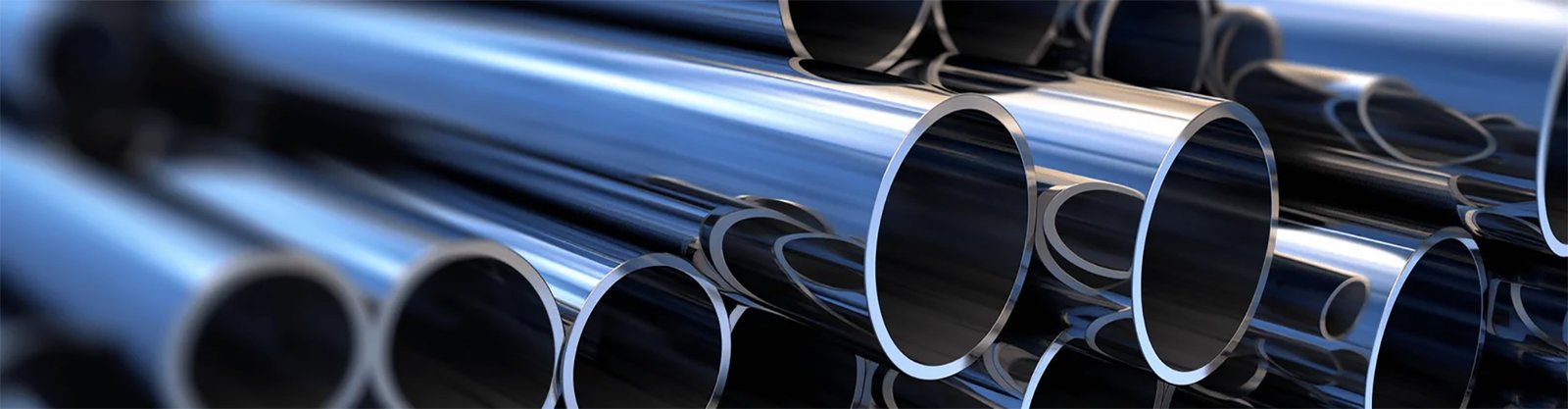
Titanium Pipe: Eco‑Friendly or Overrated?
In today’s industrial world, sustainability is no longer optional—it’s expected. Engineers, procurement teams, and environmental auditors are looking closely at the materials we use in manufacturing, infrastructure, and energy. Among those materials, titanium pipe has gained attention for being long-lasting, corrosion-resistant, and low-maintenance. But a question remains: is it truly eco-friendly, or is the green reputation of titanium pipe overrated?
Let’s dive deeper into this question, looking at the full lifecycle of titanium pipe, its environmental advantages, production impact, and how it compares to alternative materials in real-world applications. With this analysis, you’ll be able to judge whether titanium pipe is a sustainable solution—or simply a premium one.
What Makes a Material Eco-Friendly?
A material is considered eco-friendly when it satisfies multiple sustainability criteria:
-
Low environmental impact during production
-
Long service life and minimal maintenance
-
Recyclability at end of life
-
Non-toxicity and chemical inertness during use
-
Energy efficiency in manufacturing and performance
Titanium, as a metal, performs well in some of these categories—but raises concerns in others. To understand where titanium pipe stands, we’ll break it down across each stage of its lifecycle.
1. Extraction and Production: The Energy Dilemma
Titanium is not rare, but its production is energy-intensive. The extraction process begins with mining ilmenite or rutile ore, followed by a complex conversion into titanium sponge using the Kroll process—a high-temperature, chlorine-heavy operation that consumes significant energy and releases CO₂.
Even though advances have been made in cleaner smelting and closed-loop chlorination, titanium still has a higher initial carbon footprint than common metals like steel or aluminum.
However, companies like sakyalloy are now partnering with upstream refineries that employ renewable energy inputs, scrap recycling, and efficiency-optimized smelting, lowering the overall environmental impact of titanium pipe production.
2. Service Life: Built to Outlast
Where titanium pipe truly shines is in its service life. Unlike stainless steel, copper, or plastic piping, titanium pipe can last 30 to 50 years or more in highly corrosive environments such as:
-
Seawater desalination plants
-
Chemical processing systems
-
Offshore platforms
-
Nuclear cooling loops
-
Biomedical cleanrooms
Because titanium is inherently resistant to rust, scaling, and chemical attack, it requires minimal maintenance, avoids frequent replacements, and contributes to a smaller lifecycle carbon footprint.
This longevity significantly offsets its high initial production impact.
3. Recyclability: A Closed-Loop Advantage
Titanium is 100% recyclable without losing its properties. When a titanium pipe reaches the end of its operational life, it can be:
-
Melted down and remanufactured into new pipe or bar
-
Reused in lower-spec applications
-
Downcycled into titanium oxide pigments
In fact, the titanium industry already incorporates a high percentage of scrap metal back into new product streams.
sakyalloy, as part of its sustainability initiative, sources raw material from mills that incorporate recycled titanium sponge and offers clients buy-back programs for reclaimed pipe sections. This makes the supply chain more circular—and the product more sustainable.
4. Use Phase: Non-toxic, Passive & Efficient
Unlike PVC or galvanized pipe, titanium pipe emits no VOCs, plasticizers, or micro-particles into the environment. It is biocompatible, chemically inert, and completely safe for use in:
-
Drinking water systems
-
Food and beverage production
-
Pharmaceutical manufacturing
Moreover, because titanium has a low thermal expansion rate and high heat transfer capability, it also improves energy efficiency in heat exchanger systems—especially in marine and industrial HVAC applications.
5. Comparison with Alternatives
Let’s see how titanium pipe stacks up against other commonly used materials:
| Material | Service Life | Corrosion Resistance | Carbon Footprint | Recyclability |
|---|---|---|---|---|
| Titanium | 30–50 years | Excellent | High (initial) | Excellent |
| Stainless Steel | 10–20 years | Good | Medium | Good |
| PVC/Plastic | 5–15 years | Poor to Moderate | Low (initial) | Low |
| Copper | 10–20 years | Moderate | Medium | Good |
While titanium may have a higher upfront impact, its longer life and recyclability make it more sustainable in long-term, high-demand environments.
Debunking the “Overrated” Argument
Critics argue that titanium’s eco-label is overrated because of:
-
High production emissions
-
High cost
-
Limited applicability in general-purpose systems
While these points are partly valid, they overlook context. Titanium pipe is not designed for every application—but where it fits, it delivers superior performance with a much lower total environmental impact over time.
It’s about choosing the right tool for the right job, not replacing all steel or plastic piping with titanium.
sakyalloy’s Commitment to Sustainable Titanium
As a global supplier of high-performance titanium products, sakyalloy recognizes the importance of environmental responsibility. The company is actively investing in:
-
Cleaner manufacturing partnerships using hydro-powered and solar-refined titanium sponge
-
Recyclable packaging and minimized transport emissions
-
Custom-cut lengths to reduce onsite waste
-
Advisory services for clients optimizing material selection for environmental impact
sakyalloy doesn’t just sell titanium pipe—it supports responsible engineering decisions for a greener future.
Conclusion: Eco-Friendly or Overrated?
So, is titanium pipe eco-friendly or overrated?
The answer depends on how you define sustainability.
-
If you’re looking for low-cost, low-impact options for temporary or non-corrosive systems—titanium is not the solution.
-
But if you need a durable, low-maintenance, and fully recyclable material that performs reliably in extreme environments for decades—titanium pipe is one of the most sustainable options available.
In this light, titanium isn’t overrated—it’s strategically underrated in applications where longevity and performance matter most.
With leading-edge supply partners like sakyalloy, engineers, architects, and environmental managers can access titanium pipe solutions that meet both technical and ecological demands.