
Titanium Pipe in Desalination: Saltwater Durability
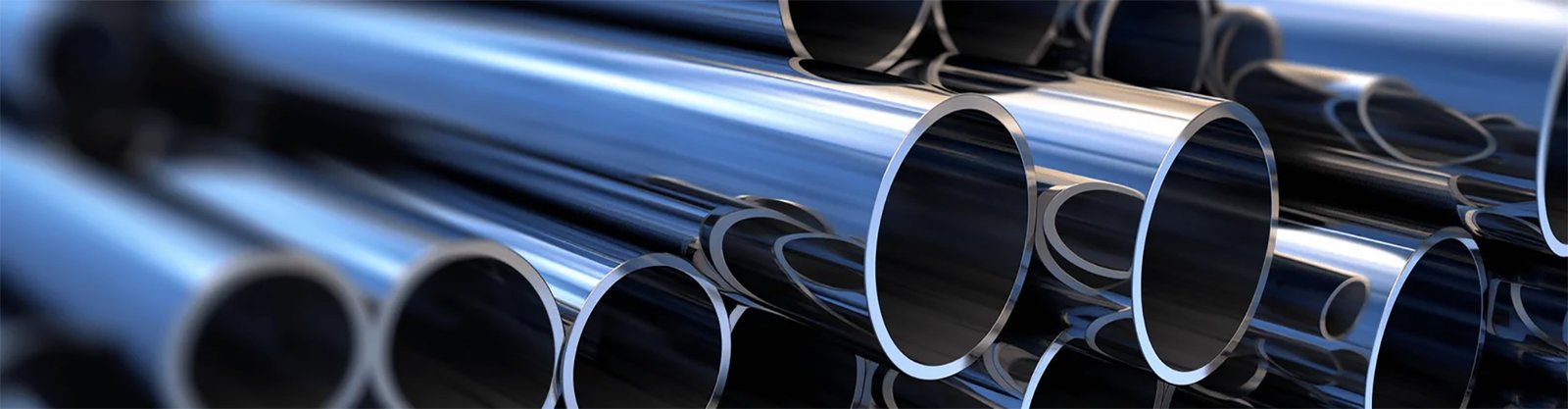
As global freshwater scarcity intensifies, desalination plants have become critical infrastructure for converting seawater into clean, usable water. One of the biggest engineering challenges in these facilities is managing the extreme corrosiveness of saltwater. Titanium pipe has emerged as the preferred solution for its unmatched durability and long-term performance in harsh marine environments.
In this article, we’ll explore why titanium pipe is the ideal material for desalination applications, how it compares to other metals, and how sakyalloy supports the global water industry with premium titanium solutions.
Why Saltwater Requires Special Materials
Seawater contains a high concentration of sodium chloride and other minerals that aggressively corrode most metals. When exposed to continuous flow, elevated temperatures, and oxygen, standard piping systems—such as stainless steel or copper alloys—can suffer from:
-
Pitting and crevice corrosion
-
Stress corrosion cracking
-
Rapid material degradation
-
High maintenance and downtime costs
To ensure uninterrupted operation, desalination systems require materials that are not only corrosion-resistant but also maintain structural integrity over decades of use.
Titanium Pipe: A Saltwater-Resistant Champion
Titanium is well known for its exceptional corrosion resistance in chloride-rich environments. Unlike stainless steel, which forms a chromium oxide layer, titanium develops a stable and tightly adherent titanium oxide film that protects the surface from corrosive attacks—even in hot, turbulent saltwater.
Key benefits of titanium pipe in desalination plants include:
-
Superior resistance to seawater corrosion
-
Excellent mechanical strength with low density
-
Long service life with minimal maintenance
-
Resistance to biofouling and scaling
-
Non-toxic and environmentally safe
At sakyalloy, we provide high-purity titanium pipe specifically engineered to meet the demands of large-scale desalination operations.
Common Desalination Applications for Titanium Pipe
Titanium pipes are integrated into several key areas of seawater desalination systems, including:
1. Heat Exchangers and Condensers
In thermal desalination methods like Multi-Stage Flash (MSF) and Multi-Effect Distillation (MED), titanium tubes are used to transfer heat without corroding. Their low thermal expansion and high conductivity make them ideal for repeated thermal cycles.
2. Seawater Intake and Outfall Lines
Titanium pipe resists marine fouling, which is common in intake and outfall piping exposed to open seawater. This helps reduce cleaning frequency and improves flow efficiency over time.
3. High-Pressure Reverse Osmosis (RO) Systems
In reverse osmosis plants, titanium tubing is used in high-pressure zones where brine concentrations are highest. Its strength and resistance to concentrated chlorides ensure leak-free performance even at high pressures.
Titanium vs Other Materials in Saltwater
| Property | Stainless Steel | Copper-Nickel | Titanium |
|---|---|---|---|
| Corrosion Resistance | Moderate | Good | Excellent |
| Service Life | 5–15 years | 10–20 years | 25+ years |
| Maintenance | High | Medium | Low |
| Weight | Heavier | Heavy | Light |
| Cost | Low | Medium | Higher upfront, lower lifecycle |
Although titanium pipe is more expensive initially, it offers superior lifecycle value, especially for critical infrastructure like desalination where downtime is costly and replacements are complex.
Sakyalloy’s Titanium Solutions for Water Projects
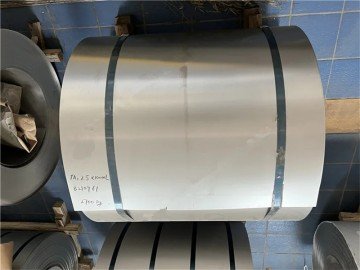
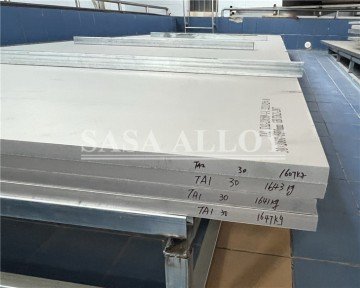
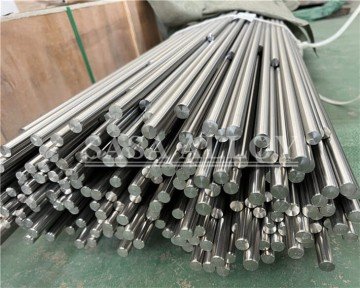
sakyalloy supplies a wide range of titanium pipe products in Grades 2, 7, and 12, all of which are commonly used in seawater applications due to their corrosion resistance and weldability.
We support:
-
EPC contractors in water infrastructure
-
Desalination plant designers
-
Government water agencies
-
Global OEMs in water treatment
Our pipes are backed by full traceability, third-party inspection, and custom fabrication services to meet international standards.
Environmental and Sustainability Impact
Using titanium pipe in desalination not only improves operational reliability but also supports sustainable development:
-
Reduces chemical use by resisting scale and corrosion
-
Minimizes maintenance waste and system replacements
-
Improves energy efficiency through reduced resistance and fouling
-
Promotes clean water access in regions where freshwater is limited
These attributes make titanium a smart, long-term investment in the global push toward sustainable water management.
Final Thoughts
As desalination becomes more vital for global water supply, choosing the right materials is essential to ensure system performance and longevity. Titanium pipe, with its unmatched saltwater durability, stands out as the optimal solution for corrosive environments.
At sakyalloy, we are proud to be a trusted supplier of titanium piping solutions for the water treatment and desalination sectors. With high-quality materials, engineering expertise, and global delivery capabilities, we help build the infrastructure that keeps clean water flowing around the world.
Let sakyalloy be your partner in long-lasting, corrosion-resistant piping solutions for modern desalination.