
Titanium Pipe in Hydrogen Fuel Infrastructure
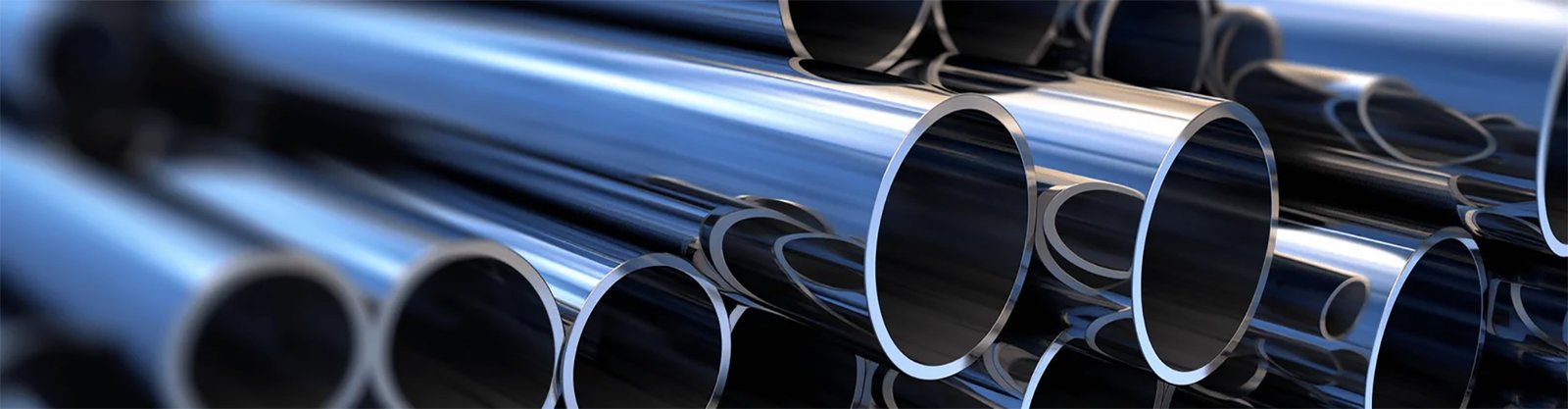
As the global push toward cleaner energy accelerates, hydrogen fuel has emerged as a leading solution for decarbonizing hard-to-abate sectors like heavy industry, transportation, and power generation. To support this transformation, infrastructure capable of handling high-pressure, high-purity hydrogen is urgently needed. One material is standing out in this mission: titanium pipe.
Thanks to its superior corrosion resistance, strength-to-weight ratio, and compatibility with hydrogen environments, titanium pipe is fast becoming a critical component in hydrogen production, storage, and distribution systems. This article explores how titanium pipe supports hydrogen infrastructure, the benefits it brings, and how companies like sakyalloy are delivering innovative piping solutions for a greener future.
The Rise of Hydrogen Energy
Hydrogen is seen as the fuel of the future for several key reasons:
-
It produces zero CO₂ emissions when used as a fuel
-
It can be generated from renewable sources through electrolysis
-
It can be stored, transported, and used in diverse applications—from fuel cells to ammonia synthesis
However, hydrogen is also the smallest and lightest molecule, making it particularly difficult to contain and transport without leakage, embrittlement, or corrosion. That’s where advanced materials like titanium come into play.
Why Titanium Pipe Is Ideal for Hydrogen Systems
Hydrogen infrastructure requires materials that can withstand extreme conditions while ensuring safety, purity, and durability. Titanium pipe offers several unmatched advantages:
1. Excellent Resistance to Hydrogen Embrittlement
Many metals—including steel and aluminum—can become brittle and crack over time when exposed to hydrogen. Titanium has a very low hydrogen diffusion rate, making it highly resistant to embrittlement, even in high-pressure environments.
2. Superior Corrosion Resistance
In systems such as electrolyzers or hydrogen fuel pipelines, moisture and chemical by-products like oxygen or chlorides can cause corrosion. Titanium is resistant to these substances, making it perfect for long-term performance.
3. High Strength-to-Weight Ratio
Hydrogen fuel systems in transportation or aerospace benefit from lightweight titanium piping that reduces vehicle mass while maintaining structural integrity.
4. Compatibility with Ultra-Pure Hydrogen
Hydrogen used in fuel cells must remain ultra-pure. Titanium pipe has a clean surface chemistry, ensuring no contamination or catalytic reactions that could degrade hydrogen quality.
Key Applications of Titanium Pipe in Hydrogen Infrastructure
Hydrogen Production
In green hydrogen production through electrolysis, titanium piping is used in:
-
Anode/cathode manifolds
-
Oxygen vent lines
-
Water circulation and cooling systems
Titanium’s corrosion resistance in acidic and alkaline electrolytes makes it ideal for electrolyzer stacks and balance-of-plant systems.
Hydrogen Storage & Transport
High-pressure hydrogen storage tanks and pipelines use titanium pipe in areas requiring:
-
Fatigue resistance under cycling pressure
-
No embrittlement risk
-
Long-term reliability under extreme temperature shifts
Coiled titanium tubes are also used in compact, mobile hydrogen containers.
Fuel Cell Vehicles (FCVs)
Titanium pipe is used in hydrogen delivery lines within buses, trucks, trains, and marine vessels running on hydrogen fuel. It offers leak-proof performance, light weight, and long fatigue life under repeated vehicle operation.
Refueling Infrastructure
Hydrogen refueling stations require corrosion-resistant, clean, and durable piping materials. Titanium pipe is used in dispensers, compressors, and valves, where pressure can exceed 700 bar.
Challenges in Hydrogen Infrastructure Materials
Hydrogen’s properties make infrastructure design challenging:
-
It can permeate most materials, leading to leaks
-
It can cause embrittlement, reducing mechanical strength
-
It reacts with impurities, which can degrade fuel cells
Materials that are not up to the task lead to failures, downtime, or even safety hazards. Titanium pipe is one of the few metallic materials that performs reliably in every phase of the hydrogen lifecycle.
Why Choose sakyalloy for Titanium Hydrogen Piping
sakyalloy is at the forefront of supplying titanium pipe for hydrogen infrastructure, offering:
-
Titanium grades such as Gr2, Gr7, and Gr12, optimized for hydrogen exposure
-
Custom fabrication of seamless or welded titanium pipe for high-pressure systems
-
Full certification to ASTM B861, B337, and ISO standards
-
Expert consultation for system integration, welding, and corrosion control
With a strong focus on clean energy applications, sakyalloy supports global hydrogen infrastructure projects with both stock and made-to-order titanium piping components.
The Role of Standards and Safety
Titanium pipe used in hydrogen applications must conform to international safety and performance standards, including:
-
ISO 11114-2: Compatibility of cylinder and valve materials with gas contents
-
ASME B31.12: Hydrogen piping and pipelines
-
ASTM B861/B862: Seamless and welded titanium pipe specifications
Strict testing is required, including hydrostatic pressure tests, helium leak detection, and non-destructive inspection of welds and wall thickness.
Titanium Pipe vs Other Materials in Hydrogen Systems
| Property | Titanium Pipe | Stainless Steel | Aluminum |
|---|---|---|---|
| Hydrogen embrittlement | Excellent | Moderate | Poor |
| Weight | Light | Heavy | Light |
| Corrosion resistance | Excellent | Good | Fair |
| Cost | Higher | Moderate | Low |
| Purity compatibility | Excellent | Good | Moderate |
While titanium comes at a higher upfront cost, its long-term durability and safety make it a cost-effective choice for critical hydrogen infrastructure.
The Future: Titanium in the Green Hydrogen Economy
As nations build out hydrogen economies—such as the EU’s Hydrogen Strategy and China’s National Hydrogen Plan—reliable, scalable infrastructure will be key.
Titanium pipe will be essential in:
-
Offshore hydrogen production platforms
-
Ammonia-to-hydrogen reconversion stations
-
Hydrogen-powered aircraft and aerospace systems
-
Distributed hydrogen refueling networks
With research into titanium powder coatings, 3D printing, and smart surface monitoring, the performance of titanium pipe in hydrogen systems is expected to improve even further.
Conclusion
Hydrogen fuel offers the world a path to carbon neutrality, but it cannot succeed without safe, durable, and high-performance infrastructure. Titanium pipe, with its superior resistance to hydrogen embrittlement, corrosion, and fatigue, is an essential material for this transformation.
From electrolyzers to pipelines and from vehicle systems to refueling stations, titanium piping ensures safe and efficient hydrogen handling at every stage. With global suppliers like sakyalloy delivering certified, engineered titanium pipe solutions, the hydrogen revolution has a strong foundation upon which to grow.