
Titanium Pipe Specifications: ASTM B861 & B338 Explained
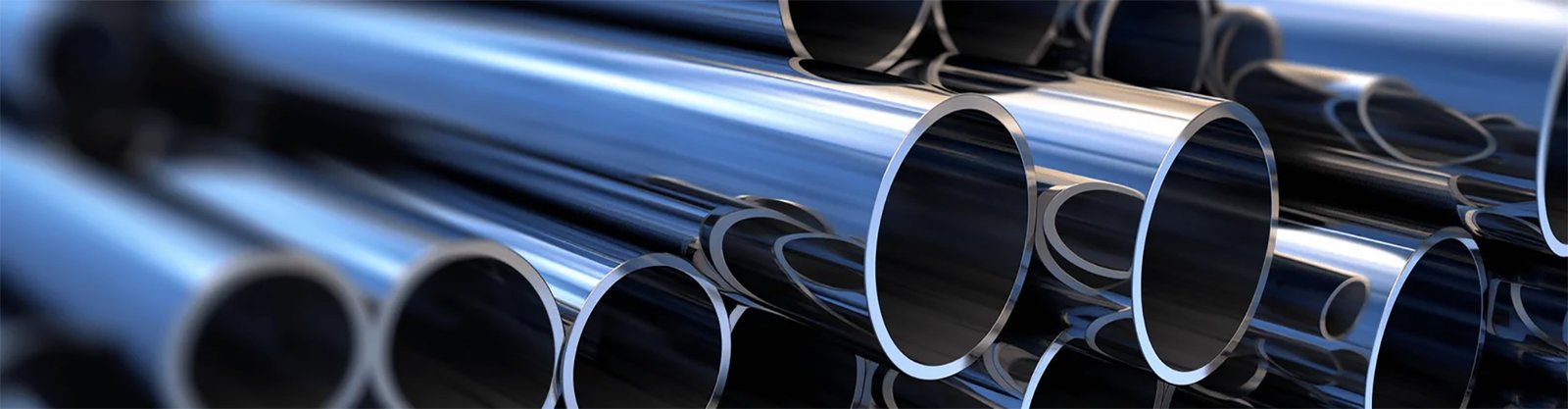
Titanium pipe is essential for applications that demand superior corrosion resistance, high strength-to-weight ratio, and long-term performance. From chemical processing plants to aerospace systems and marine structures, titanium piping solutions deliver reliability in the most challenging environments. To ensure consistency, safety, and quality, titanium pipes are manufactured according to international specifications — with ASTM B861 and ASTM B338 among the most widely referenced standards. In this article, we provide a comprehensive guide to Titanium Pipe Specifications: ASTM B861 & B338 Explained, helping you make informed decisions when selecting titanium pipes for your projects.
Why Titanium Pipe Specifications Matter
Titanium pipes often serve in critical systems where failure could lead to safety risks, environmental hazards, or costly downtime. Adherence to standards like ASTM B861 and B338 ensures:
-
Consistent material quality and properties
-
Compliance with international codes and customer requirements
-
Interchangeability of components across global supply chains
-
Documented traceability for audits and regulatory approval
-
Reliable performance in demanding conditions
At sakyalloy, we manufacture and supply titanium pipes that fully meet ASTM and ASME specifications, ensuring peace of mind for customers across industries.
ASTM B861: Specification for Titanium Seamless and Welded Pipe
Overview
ASTM B861 is the primary standard for seamless and welded titanium pipe used in general corrosion-resistant and elevated-temperature service. This specification covers titanium and titanium alloy pipes produced through extrusion, forging, or welding processes, followed by finishing operations to meet dimensional and mechanical property requirements.
Scope and Application
ASTM B861 applies to:
-
Seamless pipe produced by extrusion or piercing methods
-
Welded pipe made from titanium plate or sheet and welded longitudinally
Typical applications include chemical processing, marine environments, power plant systems, and structural components where corrosion resistance and strength are critical.
Grades Covered
ASTM B861 covers a wide range of commercially pure titanium and titanium alloy grades, including:
-
Grade 1: Highest ductility, excellent corrosion resistance
-
Grade 2: Most common grade, balance of strength and corrosion resistance
-
Grade 3: Higher strength for moderate corrosion environments
-
Grade 7: Similar to Grade 2 with added palladium for enhanced corrosion resistance
-
Grade 12: Improved strength and corrosion resistance in mildly reducing and oxidizing environments
-
Grade 5 (Ti-6Al-4V): Most common titanium alloy, used where high strength is required
Key Requirements
ASTM B861 specifies:
-
Chemical composition: Each grade must meet strict limits for alloying elements and impurities.
-
Mechanical properties: Minimum tensile strength, yield strength, and elongation values are specified for each grade.
-
Dimensional tolerances: Outer diameter, wall thickness, and straightness must meet defined tolerances.
-
Testing: Pipes must undergo tension testing, flattening/bending tests, hydrostatic testing, and, where applicable, non-destructive testing (NDT) such as ultrasonic inspection for welded pipe seams.
ASTM B338: Specification for Titanium Tubes for Heat Exchangers and Condensers
Overview
ASTM B338 covers seamless and welded titanium tubes specifically designed for heat exchangers, condensers, and similar applications. Although called “tubes,” in many cases these products overlap with small-diameter piping systems in marine, power generation, and chemical processing industries.
Scope and Application
ASTM B338 focuses on thin-walled titanium tubing that serves in heat transfer applications, where corrosion resistance and thermal conductivity are vital. Typical uses include:
-
Seawater-cooled heat exchangers
-
Desalination plants
-
Power plant condensers
-
Chemical plant heat transfer systems
Grades Covered
Like ASTM B861, ASTM B338 covers a range of titanium grades, including:
-
Grade 1
-
Grade 2
-
Grade 7
-
Grade 11 (commercially pure titanium with improved corrosion resistance)
-
Grade 16
-
Grade 17
Each grade offers specific advantages depending on the corrosive environment and mechanical demands.
Key Requirements
ASTM B338 defines:
-
Chemical composition and mechanical properties: Similar to ASTM B861, with emphasis on properties relevant to heat exchanger service.
-
Tube dimensions and tolerances: Strict requirements for wall thickness, OD, concentricity, and straightness to ensure efficient heat transfer and ease of assembly.
-
Testing: Tubes undergo hydrostatic testing or, upon agreement, pneumatic testing. NDT methods such as eddy current or ultrasonic testing are applied to ensure wall integrity.
Comparing ASTM B861 and B338
While both standards cover titanium piping products, there are distinct differences:
-
Intended use: B861 is for general-purpose piping, including pressure and structural systems. B338 focuses on heat exchanger and condenser tubing.
-
Wall thickness: B861 pipes generally have thicker walls suitable for pressure containment, while B338 tubes have thinner walls optimized for heat transfer.
-
Testing focus: B861 includes more emphasis on mechanical property testing for load-bearing applications, while B338 emphasizes leak-proof integrity and corrosion resistance in heat exchanger environments.
Importance of Compliance with ASTM B861 and B338
Choosing titanium pipe that meets ASTM specifications offers several advantages:
-
Safety and reliability: Pipes are proven to meet the mechanical and chemical standards required for their intended application.
-
Compatibility with design codes: Compliant pipes integrate seamlessly with ASME BPVC, PED, and other international design codes.
-
Traceability and documentation: Certified material test reports (MTRs) and inspection records support regulatory compliance and quality assurance.
-
Global standardization: ASTM specifications ensure that titanium pipes from different suppliers can be used interchangeably in global projects.
Quality Assurance and Inspection
To comply with ASTM B861 and B338, manufacturers like sakyalloy apply rigorous quality control measures:
-
Raw material verification: All titanium feedstock is tested for chemical composition before production.
-
Process control: Forming, welding, and heat treatment processes follow documented procedures to maintain consistency.
-
Dimensional inspection: Every pipe or tube is measured to verify compliance with specified tolerances.
-
Non-destructive testing: NDT techniques such as ultrasonic testing, eddy current testing, and hydrostatic testing verify structural integrity without damaging the product.
-
Final documentation: MTRs, NDT records, and compliance certificates are provided with each order to ensure traceability.
Applications of ASTM B861 and B338 Titanium Pipes
Titanium pipes fabricated to ASTM B861 and B338 standards are used in:
-
Aerospace hydraulic and pneumatic systems
-
Chemical plant piping for corrosive media
-
Marine seawater piping systems
-
Nuclear and thermal power plant heat exchangers
-
Desalination plants and offshore platforms
The Role of sakyalloy in Supplying ASTM-Compliant Titanium Pipe
At sakyalloy, we specialize in producing and supplying titanium pipes and tubes that meet the full requirements of ASTM B861 and B338. Our products are manufactured to the highest standards of quality, with comprehensive inspection and certification processes that provide our customers with confidence in the material’s performance.
By partnering with sakyalloy, you gain access to titanium pipe solutions that offer outstanding reliability, durability, and compliance with global standards — delivered on time and backed by technical expertise.
Conclusion
Understanding Titanium Pipe Specifications: ASTM B861 & B338 Explained is essential for engineers, procurement professionals, and project managers responsible for selecting titanium piping systems. These specifications define the chemical composition, mechanical properties, dimensions, manufacturing processes, and testing required to ensure that titanium pipes perform safely and effectively in their intended applications.
By specifying titanium pipes that comply with ASTM B861 and B338 — and sourcing them from trusted suppliers like sakyalloy — you can be confident that your piping systems will deliver the reliability and longevity your project demands.