
Titanium Pipe Suppliers vs Stockists: Pros and Cons
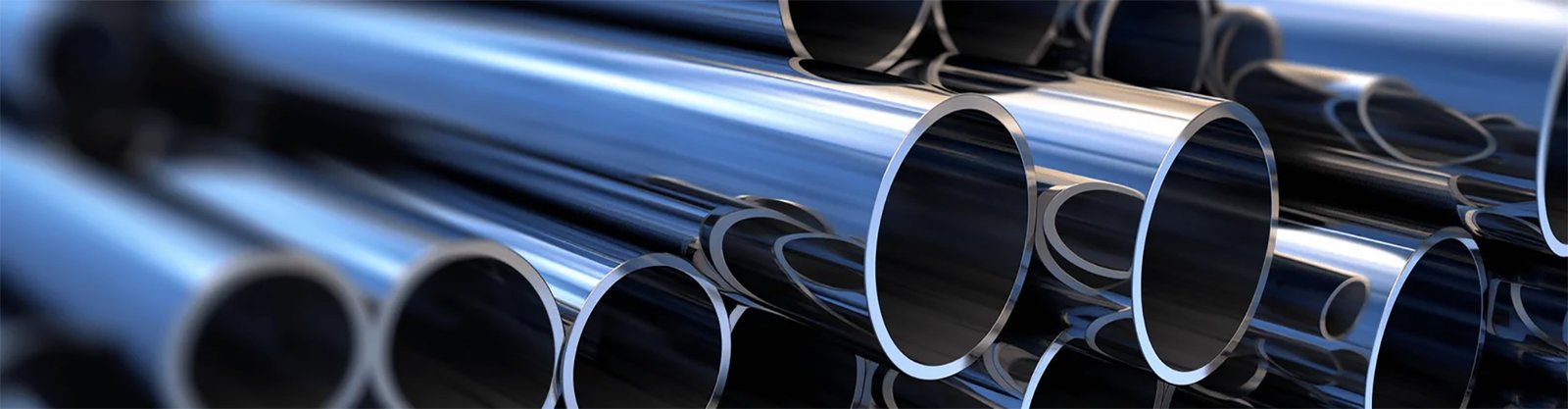
Titanium pipes are critical components in industries where performance under extreme conditions is essential. From aerospace and marine engineering to chemical processing and power generation, titanium pipes offer an unmatched combination of strength, corrosion resistance, and light weight. However, one of the key decisions buyers face during procurement is whether to source titanium pipes directly from manufacturers (suppliers) or purchase through stockists (distributors).
In this article, we will explore the pros and cons of titanium pipe suppliers versus stockists, helping you make informed decisions for your projects. We’ll also highlight how working with experienced and reliable companies like sakyalloy can ensure success, regardless of the sourcing model you choose.
Understanding Titanium Pipe Suppliers
Titanium pipe suppliers are companies that manufacture titanium pipes or have direct partnerships with mills. These suppliers typically:
-
Control or oversee the production process.
-
Offer custom manufacturing according to specific project requirements.
-
Provide full traceability, certification, and documentation.
Suppliers are often chosen for large-scale or custom projects that require unique dimensions, grades, or compliance with stringent industry standards.
Pros of Working with Titanium Pipe Suppliers
1. Access to Custom Specifications
Suppliers can produce titanium pipes tailored to exact project requirements. Whether you need a rare grade (like Grade 7 or Grade 12), a thick wall, or special heat treatment, manufacturers can deliver what stockists may not have on hand.
2. Full Traceability and Certification
Direct suppliers provide detailed mill test certificates (MTCs), third-party inspection reports, and production records. This ensures full traceability from raw material to finished product — a critical requirement for aerospace, defense, and chemical processing applications.
3. Competitive Pricing for Large Orders
For significant volumes, suppliers can offer more competitive pricing by eliminating distributor markups. The cost per unit is often lower when buying directly from the source.
4. Control Over Production Schedules
By working directly with suppliers, buyers can influence production priorities, delivery schedules, and inspection plans, which is particularly valuable for large or long-term projects.
Cons of Working with Titanium Pipe Suppliers
1. Longer Lead Times
Manufacturers typically produce pipes to order. This means you may face longer lead times (often 12 to 24 weeks or more for custom orders), especially if production slots are full or if raw material availability is limited.
2. Higher Minimum Order Quantities
Suppliers may set minimum order quantities (MOQs) that are higher than what a buyer needs, particularly for non-standard sizes or grades.
3. Greater Complexity in Logistics
Direct purchasing from overseas suppliers can involve more complex logistics, customs clearance, and shipping arrangements.
Understanding Titanium Pipe Stockists
Titanium pipe stockists, or distributors, are companies that purchase titanium pipes in bulk from manufacturers and maintain inventories for resale. Stockists:
-
Hold ready stock of common grades, sizes, and schedules.
-
Offer fast delivery for urgent requirements.
-
Serve as intermediaries between manufacturers and end users.
Stockists are often the go-to choice for projects requiring quick delivery or small quantities.
Pros of Working with Titanium Pipe Stockists
1. Immediate Availability
Stockists hold inventory, so they can ship standard titanium pipes immediately or within days. This is ideal for projects with tight schedules or emergency replacements.
2. Flexible Order Quantities
Unlike manufacturers, stockists typically allow buyers to purchase small quantities, even a single length of pipe. This reduces waste and upfront investment for small or maintenance projects.
3. Simplified Logistics
Stockists handle customs clearance, warehousing, and local delivery. This simplifies the procurement process and reduces administrative burden for buyers.
4. Access to Multiple Manufacturers
Stockists often source from various manufacturers. This gives buyers a broader choice of brands, grades, and certifications without needing to engage multiple suppliers directly.
Cons of Working with Titanium Pipe Stockists
1. Higher Per-Unit Cost
Stockists add a margin to cover their inventory costs, warehousing, and logistics services. As a result, unit prices are typically higher than buying directly from manufacturers, especially for large volumes.
2. Limited Customization
Stockists usually offer standard products from stock. If you need a non-standard size, wall thickness, or special certification, stockists may not be able to help — or they may need to place a special order with a supplier, adding to lead time.
3. Variable Traceability
While reputable stockists provide proper documentation, traceability may not be as comprehensive as buying directly from the mill. For critical applications, it’s essential to verify the authenticity of the supplied documents.
When to Choose a Titanium Pipe Supplier
Consider working directly with a titanium pipe supplier when:
-
Your project requires custom dimensions, grades, or certifications that are not standard.
-
You need large quantities where direct purchasing offers cost savings.
-
Full traceability and compliance with specific standards (ASTM B861, ASTM B862, ASME, NORSOK) is non-negotiable.
-
You have longer project lead times, allowing time for production.
Companies like sakyalloy provide direct supply options with comprehensive quality control, mill certification, and traceability to ensure reliability for demanding applications.
When to Choose a Titanium Pipe Stockist
A stockist is likely the best choice if:
-
You need immediate delivery of standard titanium pipes.
-
Your order quantity is small or irregular.
-
The project is in the maintenance phase or involves emergency replacement.
-
You want to simplify procurement with one-stop sourcing for multiple pipe sizes or specifications.
Experienced stockists with strong reputations provide valuable support for urgent requirements and smaller-scale projects.
How to Decide: Supplier vs Stockist
Here are key considerations when choosing between a supplier and a stockist:
-
Project timeline: Long lead time = supplier; short lead time = stockist.
-
Order size: Large = supplier; small = stockist.
-
Specification complexity: Custom = supplier; standard = stockist.
-
Budget priorities: Cost efficiency for volume = supplier; convenience = stockist.
Best Practices for Titanium Pipe Sourcing
Regardless of whether you choose a supplier or stockist, follow these best practices:
-
Verify certification: Always check mill test certificates, compliance with ASTM/ASME standards, and traceability documentation.
-
Check reputation: Work with proven, reliable companies like sakyalloy that have a track record of supplying titanium pipes for critical industries.
-
Communicate clearly: Provide complete specification details, including grade, size, wall schedule, standard, and testing requirements.
-
Plan ahead: Wherever possible, plan purchases in advance to avoid premium costs for rush deliveries or last-minute orders.
Final Thoughts
Choosing between titanium pipe suppliers and stockists depends on your project’s unique requirements, timeline, and budget. Suppliers excel at delivering custom solutions with full traceability, while stockists provide speed and flexibility for standard needs. Both play a vital role in the titanium supply chain, and knowing when to engage each type of source will help you achieve the best balance of cost, quality, and delivery.
Whether you work directly with a manufacturer or through a stockist, partnering with trusted names like sakyalloy ensures that your titanium pipe procurement is smooth, reliable, and aligned with your project’s technical demands. As titanium remains a critical material in modern engineering, making the right sourcing choice has never been more important.