
Titanium Pipe vs Aluminum: Lightweight Performance Analysis
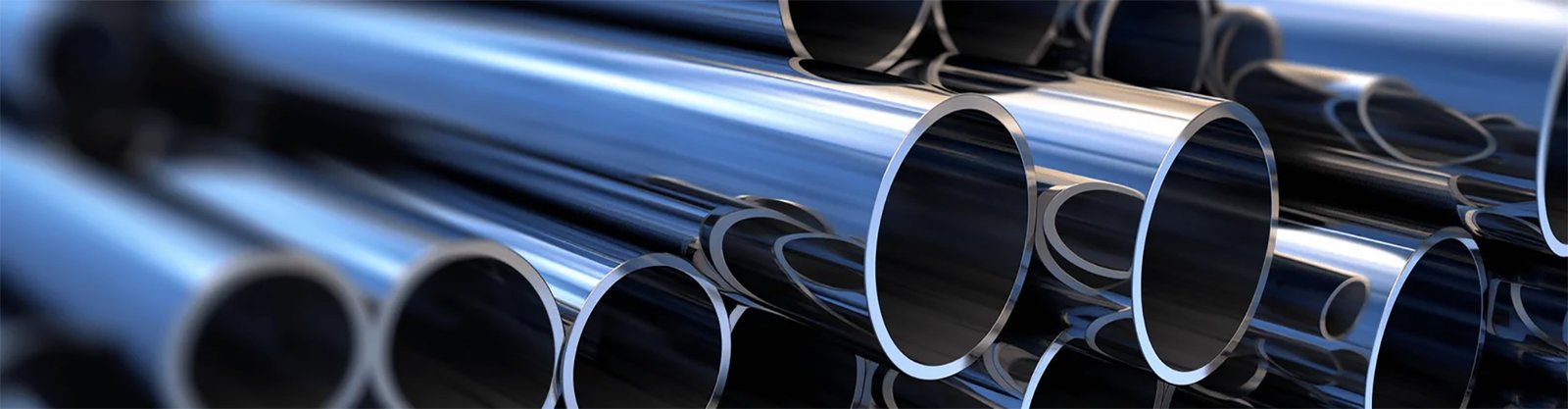
When selecting materials for high-performance applications where weight, strength, and corrosion resistance are critical, titanium pipe and aluminum pipe often emerge as top contenders. Both are known for being lightweight metals, but they offer very different mechanical properties and cost-performance trade-offs.
In this article, we’ll analyze how titanium and aluminum pipes compare in terms of strength, weight, corrosion resistance, temperature tolerance, and industry usage, helping you determine which material is best for your application.
Lightweight but Not Equal: Understanding Density
Both titanium and aluminum are classified as lightweight metals, but their densities differ significantly.
-
Titanium has a density of approximately 4.51 g/cm³.
-
Aluminum has a much lower density at about 2.70 g/cm³.
This makes aluminum pipe lighter than titanium by roughly 40%. However, titanium’s mechanical strength compensates for its higher weight, offering greater structural integrity under pressure.
Strength-to-Weight Ratio: Titanium Leads
Although aluminum is lighter, titanium has a superior strength-to-weight ratio. This means that per unit of weight, titanium can handle significantly more stress. This advantage is crucial in industries such as aerospace, marine, and defense, where material failure is not an option.
In many applications, a thinner titanium pipe can match or exceed the performance of a thicker aluminum pipe, making it highly efficient despite its higher mass.
At sakyalloy, we supply titanium pipe products that meet aerospace and industrial standards, ensuring exceptional strength with reliable weight savings in demanding environments.
Corrosion Resistance: Titanium Excels
Titanium is known for its exceptional corrosion resistance, especially in aggressive environments like seawater, chemical processing, and acidic solutions. It forms a protective oxide layer that resists corrosion even in extreme conditions.
Aluminum also resists corrosion reasonably well, especially when anodized. However, in saline or high-pH environments, aluminum can pit and degrade more quickly than titanium.
If your system operates in highly corrosive conditions, titanium pipe is the safer and longer-lasting choice.
Temperature Tolerance
Titanium maintains its strength at higher temperatures compared to aluminum. It remains stable up to around 600°C (1112°F), while aluminum begins to lose significant strength above 200°C (392°F).
This makes titanium more suitable for:
-
Jet engine components
-
Power plants
-
Heat exchangers
-
High-temperature fluid systems
On the other hand, aluminum performs well in applications below 200°C and is more common in automotive parts, HVAC systems, and structural tubing.
Weldability and Fabrication
Aluminum pipe is generally easier to cut, form, and weld compared to titanium. Titanium requires special handling in inert atmospheres to avoid contamination during welding. It is also more expensive to machine due to its hardness and thermal conductivity.
However, when properly fabricated, titanium welds are incredibly strong and resistant to corrosion, especially in pressure-rated systems.
sakyalloy offers both aluminum and titanium pipe options with professional cutting, forming, and welding support to meet custom specifications.
Cost Considerations
This is where aluminum typically wins.
-
Aluminum pipe is significantly more affordable and readily available.
-
Titanium pipe is much more expensive due to raw material cost, processing, and demand from critical industries.
The decision often comes down to budget vs performance. If weight and corrosion resistance are important, but you’re working with tight cost constraints, aluminum is ideal. If strength, longevity, and reliability are mission-critical, titanium is worth the investment.
Industry Applications Comparison
Titanium Pipe Is Preferred In:
-
Aerospace and aviation
-
Chemical and petrochemical plants
-
Marine engineering
-
Medical equipment
-
High-end sports equipment
Aluminum Pipe Is Used In:
-
Automotive and transportation
-
Structural frameworks
-
HVAC and plumbing
-
Lightweight scaffolding
-
Renewable energy systems (like solar panel supports)
Final Verdict: Which Is Right for You?
The choice between titanium pipe and aluminum pipe depends on the specific demands of your application:
-
For extreme environments, long-term corrosion resistance, and high strength, titanium pipe is the superior option.
-
For cost-effective, lightweight applications with moderate mechanical demands, aluminum pipe delivers excellent performance at a fraction of the cost.
Both materials have a place in modern engineering and industrial design. When in doubt, consult with your supplier to evaluate factors such as load requirements, chemical exposure, and temperature conditions.
sakyalloy is here to help with technical support and material recommendations tailored to your project. We supply a wide range of titanium and aluminum pipe solutions that meet global quality standards.