
Titanium Pipe vs Stainless Steel: Cost, Strength, Corrosion
When it comes to selecting the right piping material for demanding industrial applications, titanium pipe and stainless steel pipe are two of the most common options. Both offer unique advantages in terms of performance, durability, and corrosion resistance — but how do they compare when it comes to cost, strength, and corrosion resistance?
In this article, we’ll break down the differences between titanium pipe vs stainless steel, helping you decide which material is better suited for your specific project. Whether you’re working in chemical processing, marine engineering, power generation, or aerospace, understanding these key differences will help you make smarter procurement decisions.
Material Overview
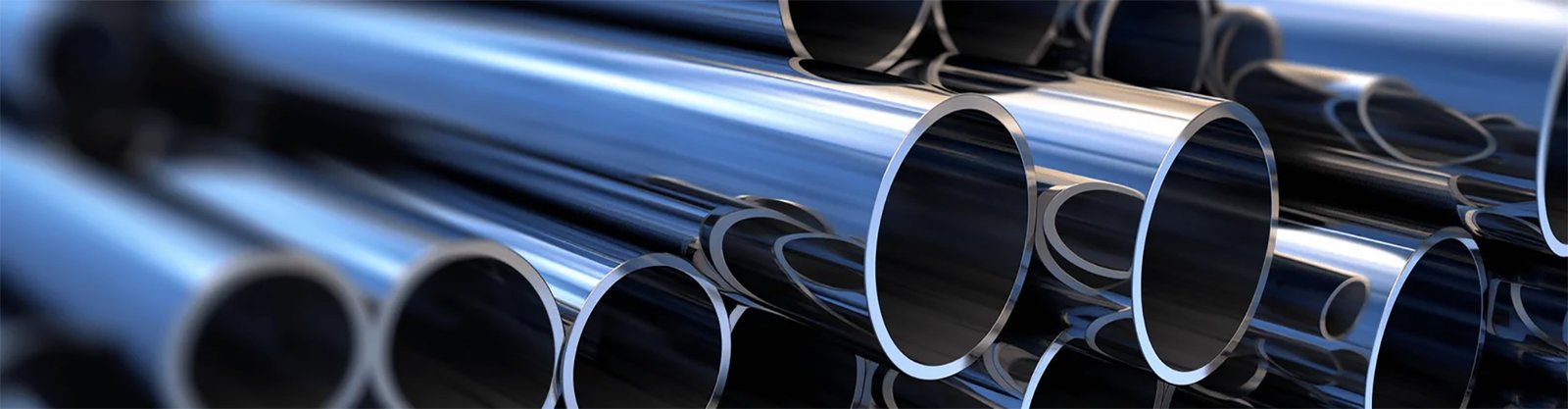
Titanium Pipe is made from commercially pure titanium or titanium alloys like Grade 2, Grade 5 (Ti-6Al-4V), or Grade 12. It’s known for being lightweight, strong, and extremely corrosion-resistant — especially in seawater and chemical environments.
Stainless Steel Pipe is made from iron-based alloys with chromium and nickel as primary elements. Common grades include 304, 316, 321, and duplex types. Stainless steel is strong, versatile, and widely available, making it a go-to material for general-purpose piping.
At sakyalloy, we supply both titanium and stainless steel pipes in a wide range of sizes and grades, tailored to meet the needs of industries around the world.
Cost Comparison
Titanium Pipe Cost
Titanium is significantly more expensive than stainless steel in terms of raw material and fabrication. This is due to:
-
The cost of extraction and refining titanium ore
-
Specialized processing and handling requirements
-
Limited global supply compared to steel
However, the lifetime cost of titanium pipe can be lower in corrosive environments. Fewer replacements, reduced maintenance, and longer service life often offset the initial investment.
Stainless Steel Pipe Cost
Stainless steel is more affordable upfront. It is mass-produced, easy to fabricate, and requires less specialized equipment. For non-corrosive or less aggressive environments, stainless steel offers excellent value.
Conclusion: If budget is your top priority and corrosion resistance is moderate, stainless steel is a good choice. If long-term durability and reduced downtime are more important, titanium is worth the higher initial cost.
Strength and Weight Comparison
Titanium Pipe Strength
Titanium has an exceptional strength-to-weight ratio. Grade 5 titanium (Ti-6Al-4V) is nearly as strong as high-grade steel but weighs about 45% less. Even commercially pure titanium (Grade 2) provides excellent strength while being easy to weld and machine.
Titanium is ideal for aerospace, automotive, and marine systems where weight reduction is crucial.
Stainless Steel Pipe Strength
Stainless steel is strong and rigid, especially in high-pressure systems. Duplex stainless steels offer enhanced strength and some grades are tougher than commercially pure titanium. However, stainless steel is much heavier, which can be a disadvantage in weight-sensitive applications.
Conclusion: Titanium is stronger per unit of weight, making it better for lightweight structural systems. Stainless steel offers high rigidity and is often preferred where weight is not a concern.
Corrosion Resistance Comparison
Titanium Pipe Corrosion Resistance
Titanium is virtually immune to corrosion in most environments. It forms a stable oxide layer that resists attack from:
-
Seawater
-
Chloride ions
-
Strong acids (like nitric or hydrochloric acid)
-
Sulfide-containing solutions
-
High-temperature oxidation
This makes titanium the best choice for chemical processing plants, desalination systems, and offshore oil rigs.
Stainless Steel Pipe Corrosion Resistance
Stainless steel offers good corrosion resistance, especially grades like 316L and duplex. However, it can suffer from:
-
Pitting corrosion in chloride-rich environments
-
Stress corrosion cracking
-
Crevice corrosion under gaskets or flanges
Over time, in aggressive conditions, stainless steel may degrade faster than titanium.
Conclusion: Titanium outperforms stainless steel in severe corrosive environments. Stainless steel is sufficient for general-use or mildly corrosive conditions.
Fabrication and Weldability
Titanium Pipe Fabrication
Titanium requires clean conditions and skilled handling to avoid contamination. It must be welded under argon shielding to prevent embrittlement. Fabrication is more time-consuming but results in excellent weld strength when done correctly.
Stainless Steel Pipe Fabrication
Stainless steel is easier to fabricate, cut, and weld using standard procedures. It’s more forgiving and does not require oxygen-free environments during welding, which reduces labor time and cost.
Conclusion: Stainless steel is easier and cheaper to fabricate. Titanium demands more control but provides higher performance in return.
Common Applications
Titanium Pipe Applications
-
Aerospace fuel and hydraulic lines
-
Seawater desalination systems
-
Chemical reactors and condensers
-
Medical equipment and implants
-
Heat exchangers in nuclear power
Stainless Steel Pipe Applications
-
Food and beverage processing
-
HVAC and plumbing systems
-
Chemical storage and transport
-
Structural supports and handrails
-
Power plants and steam lines
At sakyalloy, we offer material recommendations tailored to your application’s pressure, temperature, and environmental requirements.
Final Verdict: Which One Should You Choose?
The choice between titanium pipe vs stainless steel depends on your project priorities:
-
Choose Titanium Pipe if:
-
Your system operates in extremely corrosive environments
-
You need lightweight and high-strength materials
-
Long-term performance and low maintenance are key
-
You’re working in aerospace, offshore, or chemical processing
-
-
Choose Stainless Steel Pipe if:
-
You require cost-effective and easy-to-fabricate solutions
-
Your application is moderately corrosive or general purpose
-
You value availability, convenience, and widespread compatibility
-
Conclusion
Titanium and stainless steel each bring unique strengths to the table. Titanium is the premium choice for challenging environments where corrosion resistance, weight savings, and long-term performance are essential. Stainless steel is the economical and versatile solution for less aggressive conditions and general industrial use.
At sakyalloy, we supply both titanium and stainless steel pipes with a commitment to quality, precision, and application-specific service. Whether you’re designing a high-performance system or maintaining industrial infrastructure, sakyalloy can help you choose the right material to meet your needs.