
Titanium Price Drivers: Sponge Titanium, Grade, Form and Certification
Introduction
Titanium price drivers are the raw-material, alloy, manufacturing, dimensional, inspection and commercial factors that determine the cost of titanium bars, plates, sheets, pipes, tubes, wires, forgings and machined components. The main drivers include sponge titanium and alloying-element costs, titanium grade, product form, dimensions, manufacturing yield, melting route, heat treatment, testing, certification, order quantity, packaging and logistics.
Purchasing teams use these factors to understand why two quotations for “titanium Grade 5 bar” or “Grade 2 titanium plate” may differ considerably. A valid comparison requires the same titanium grade, UNS designation, product standard, size, condition, tolerance, inspection scope, certificate type and delivery term. A lower unit price may exclude machining, ultrasonic testing, EN 10204 3.1 documentation or export protection that another quotation includes.
Key Takeaways
- Sponge titanium and alloying inputs influence the basic material cost.
- Grade 2, Grade 5, Grade 7, Grade 9, Grade 12 and Grade 23 have different chemistry and production requirements.
- Plate, bar, seamless pipe, welded pipe and forging prices cannot be compared by kilogram alone.
- Unusual sizes and tight tolerances can increase material loss and processing time.
- Certificates and supplementary tests must be stated before material allocation or production.
How Titanium Prices Are Calculated
A titanium quotation normally combines the cost of titanium feedstock with the conversion required to produce the requested form. Conversion may include melting, vacuum remelting, billet preparation, forging, rolling, extrusion, drawing, heat treatment, machining, surface finishing, testing and packaging.
Final Titanium Price = Feedstock + Alloying Elements + Melting and Conversion + Processing + Inspection + Certification + Packing + Logistics
This formula is a purchasing framework rather than a fixed industry price equation. Some suppliers quote by finished weight, while others include input-material weight, cutting loss or minimum production quantities. Buyers should confirm whether the price is per kilogram, metric ton, meter, plate, bar, tube or finished component.
Main Titanium Price Drivers
| Price Driver | Why It Affects Cost | What the Buyer Should Specify |
|---|---|---|
| Sponge titanium and feedstock | Sponge quality, availability, recycled input controls and melting requirements influence the initial material cost. | Grade, application specification and any approved-melt or origin requirements. |
| Titanium grade | Commercially pure and alloyed grades require different alloying additions and process controls. | ASTM grade, UNS number and acceptable equivalent designation. |
| Product form | Bar, plate, seamless pipe, welded pipe, wire and forgings follow different manufacturing routes. | Exact form and applicable product standard. |
| Dimensions and tolerance | Large, thin-wall, heavy-section or precision dimensions may require special starting material and more processing. | Finished size, tolerance, length and machining allowance. |
| Melting route | Multiple vacuum melting or remelting operations improve chemistry and inclusion control but add cost. | Required melt practice, aerospace or medical specification where applicable. |
| Heat treatment | Annealing, stress relief, solution treatment and aging require controlled furnace cycles. | Annealed, stress relieved, solution treated or aged condition. |
| Testing and certification | Laboratory testing, NDT, inspection witnessing and document review add fixed and variable costs. | MTC, EN 10204 3.1, UT, PT, PMI or third-party inspection. |
| Quantity and packaging | Setup, testing and export packing costs are distributed across the order quantity. | Pieces, total weight, package limits, destination and Incoterm. |
How Sponge Titanium Influences Price
Titanium sponge is a porous intermediate metal produced from titanium-bearing mineral feedstock and used as an important input for titanium ingot production. Its price can influence the baseline cost of commercially pure titanium and titanium alloys.
The final product price is not equal to the sponge price. Sponge must be selected, blended with alloying elements where required, compacted, melted and converted into billet, slab, plate, bar or tube. Each additional production stage contributes labor, energy, yield loss, equipment time and inspection cost.
Material intended for demanding aerospace, medical or rotating applications may require stricter feedstock control, approved melting routes and enhanced traceability. These requirements can create a different commercial basis from general industrial Grade 2 plate or tube.
How Titanium Grade Changes the Price
| Grade | UNS | General Material Direction | Main Pricing Influence |
|---|---|---|---|
| Grade 1 | R50250 | Commercially pure titanium with high ductility and formability | Interstitial-element control, formability and product availability |
| Grade 2 | R50400 | General commercially pure titanium for corrosion-resistant equipment | Common availability, product form and dimensional range |
| Grade 5 | R56400 | Ti-6Al-4V high-strength alpha-beta alloy | Aluminum and vanadium additions, melting, forging and property control |
| Grade 7 | R52400 | Palladium-containing Grade 2-type corrosion-resistant alloy | Palladium addition, chemistry control and lower market availability |
| Grade 9 | R56320 | Ti-3Al-2.5V alloy combining strength and formability | Alloying content, tube-processing capability and size availability |
| Grade 12 | R53400 | Ti-0.3Mo-0.8Ni nominal alloy family for selected corrosion and temperature conditions | Molybdenum and nickel additions plus less common inventory |
| Grade 23 | R56407 | Ti-6Al-4V ELI with tighter interstitial-element control | ELI chemistry, application standard, melting route and testing |
Higher-priced titanium is not automatically more suitable. Grade 2 is widely used for corrosion-resistant chemical and heat-transfer equipment, while Grade 5 is selected where higher strength-to-weight performance is required. Grade 7 may be justified in particular reducing-acid or crevice-corrosion conditions, and Grade 23 should be ordered under the applicable medical or aerospace specification rather than treated as a generic premium version of Grade 5.
How Product Form Affects Titanium Price
The same titanium grade can have different conversion costs as plate, bar, pipe, tube, wire or forging. Product form determines the required starting material, number of production stages, manufacturing yield and inspection method.
| Product Form | Typical Production Route | Important Cost Factors |
|---|---|---|
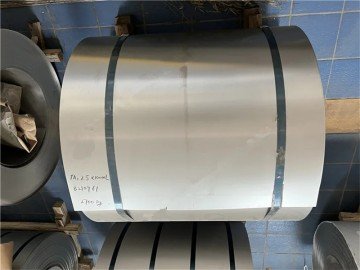
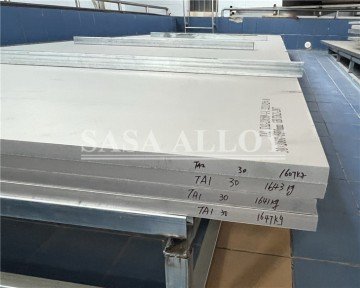
| Plate and sheet | Ingot, slab, rolling, annealing, surface treatment and cutting | Thickness, width, flatness, surface quality and cut yield |
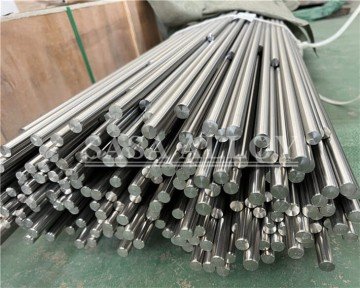
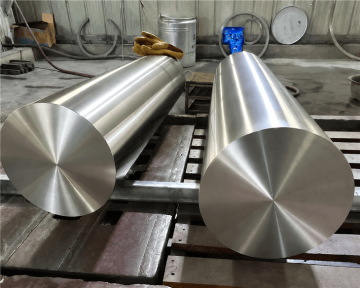
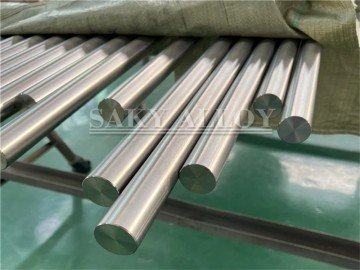
| Bar and billet | Ingot, forging or rolling, heat treatment, peeling and grinding | Diameter, surface, straightness, remelting route and UT |
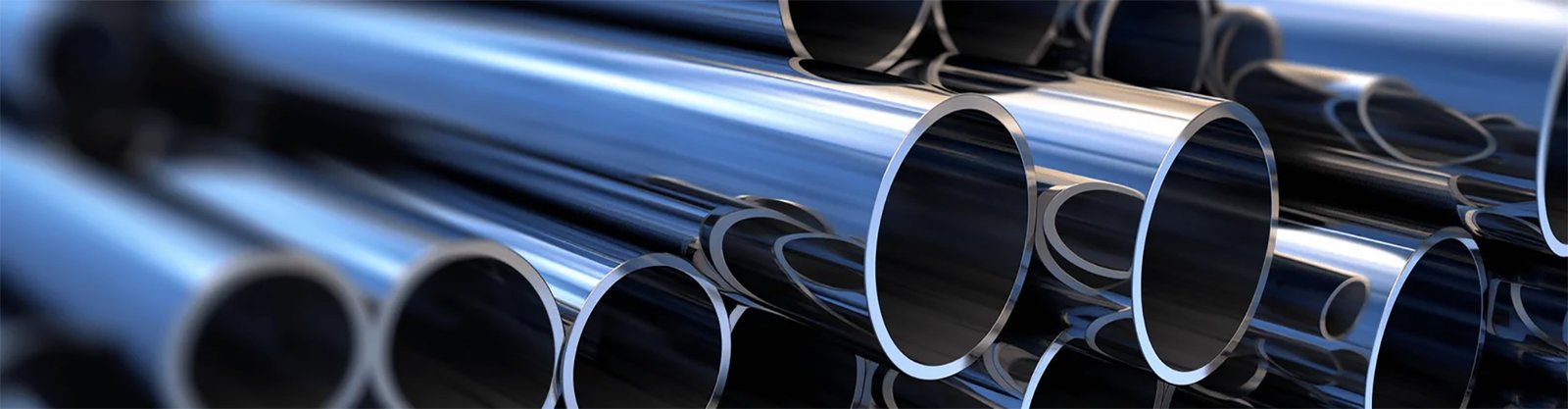
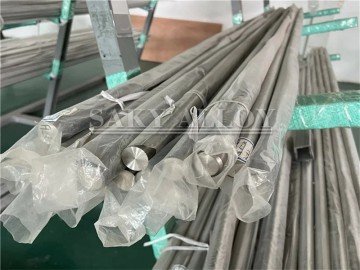
| Seamless pipe and tube | Billet or hollow preparation, extrusion, rolling or drawing, annealing and testing | OD-wall combination, drawing passes, wall tolerance and NDT |
| Welded pipe and tube | Plate or strip forming, welding, heat treatment and examination | Input plate, weld process, weld inspection and pressure testing |
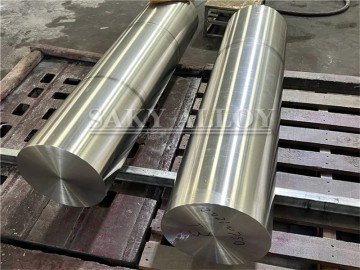
| Forging | Billet preparation, forging, heat treatment, testing and machining | Forging ratio, geometry, allowance, test locations and yield loss |
| Wire | Rod preparation, repeated drawing, annealing, cleaning and spooling | Diameter, tolerance, surface, tensile condition and spool size |
Size, Tolerance and Manufacturing Yield
Titanium is often priced according to the starting material required to produce the finished size. A narrow plate cut from a wider parent plate may include significant offcut cost. A precision bar may begin as an oversized forged or rolled bar before peeling, turning and grinding.
Thin-wall tubes, heavy-wall pipes, large-diameter bars, extra-wide plates and complex forgings may require dedicated production. Such requirements can introduce minimum quantities, tooling, additional heat-treatment cycles or lower manufacturing yield.
Tight tolerances also increase cost. Buyers should identify the dimensions that are functionally critical and distinguish standard mill tolerances from finished machining tolerances. Flatness, straightness, ovality, wall variation, concentricity and surface roughness should be stated separately where applicable.
Standards and Certification Requirements
The product standard defines the permitted grades, manufacturing route, dimensions, condition, properties and testing. It must match the supplied form. A plate specification cannot be used as the sole technical requirement for bar, pipe or forging.
| Titanium Product | Common ASTM Reference | Purchasing Check |
|---|---|---|
| Sheet, strip and plate | ASTM B265 | Grade, thickness, width, length, condition and surface |
| Bars and billets | ASTM B348 | Grade, diameter, condition, dimensions and mechanical properties |
| Heat-exchanger and condenser tubes | ASTM B338 | Seamless or welded form, OD, wall, condition and testing |
| Forgings | ASTM B381 | Grade, forging geometry, heat treatment, testing and allowance |
| Seamless pipe | ASTM B861 | Dimensions, grade, condition and required examinations |
| Welded pipe | ASTM B862 | Welding route, dimensions, heat treatment and pressure testing |
| Fittings | ASTM B363 | Fitting type, grade, dimensions, construction and inspection |
The current edition and complete scope of each specification should be confirmed before order placement. Aerospace, medical, pressure, defense and customer-controlled applications may require AMS, ASTM F-series, ASME or additional project specifications.
MTC and EN 10204 3.1
A Mill Test Certificate should identify the titanium grade, UNS number, product standard, heat or lot number, dimensions, condition, chemical composition and applicable mechanical properties. EN 10204 3.1 documentation should be requested before material allocation when contractually required.
The certificate should report actual test values rather than only nominal composition. Interstitial elements such as oxygen, nitrogen and hydrogen can materially influence titanium properties and should be reviewed where required by the specification.
PMI and Supplementary Testing
PMI can support verification of major alloying elements such as aluminum, vanadium, molybdenum or nickel. It does not replace complete laboratory chemistry and may not reliably verify all controlled interstitial elements.
UT, PT, hydrostatic testing, eddy-current testing, dimensional reports and third-party inspection are separate requirements. Their applicability depends on the product form and project. Inspection method, acceptance criteria, sampling and report format should be stated in the RFQ.
Application-Based Price Considerations
| Application | Common Material Direction | Additional Price Driver |
|---|---|---|
| Chemical processing | Grade 2, Grade 7, Grade 12 or another environment-specific grade | Corrosion review, tube testing, traceability and surface cleanliness |
| Marine and desalination | Grade 2, Grade 7 or project-approved titanium | Weld quality, pressure testing, dimensions and export protection |
| Aerospace structures | Grade 5, Grade 9, Grade 23 or another approved alloy | Approved melting route, AMS requirements, UT and enhanced traceability |
| Medical devices | Grade 2 or Grade 23 under the applicable medical standard | ELI chemistry, application certification, cleanliness and controlled processing |
| Heat exchangers | Grade 2 or another process-approved tube grade | Wall tolerance, eddy current, hydrostatic testing and tube cleanliness |
How to Compare Titanium Quotations
- Confirm that every quotation uses the same ASTM grade and UNS designation.
- Compare the same product form and manufacturing route.
- Check whether dimensions are standard mill sizes or finished processed sizes.
- Confirm the annealed, stress-relieved, solution-treated or aged condition.
- Review the quoted dimensional and surface tolerances.
- Verify whether pricing is based on input, theoretical or finished weight.
- Confirm whether MTC, EN 10204 3.1 and additional reports are included.
- Compare UT, PT, PMI, pressure testing and third-party inspection scope.
- Review packing, Incoterm, freight and quotation-validity conditions.
Titanium RFQ Checklist
- ASTM grade and UNS number
- Bar, plate, sheet, pipe, tube, wire, forging or machined form
- Applicable ASTM, ASME, AMS or project standard
- Required standard edition
- Finished dimensions, tolerances and length
- Quantity by piece, meter or total weight
- Annealed, stress relieved, solution treated or aged condition
- Surface, cutting and machining requirements
- MTC or EN 10204 3.1 certificate
- UT, PT, PMI, EC, hydrostatic or corrosion-testing requirements
- Third-party inspection and document approval
- Heat-number marking and traceability
- Packing, destination, Incoterm and requested schedule
Related Titanium Products
The following verified SAKY ALLOY pages provide product-form information for quotation and material selection:
- Titanium Product Range for bars, plates, pipes, tubes, wire, forgings and machined parts.
- Titanium Bar for Grade 1, Grade 2, Grade 5, Grade 9 and other bar requirements.
- Titanium Plate and Sheet for ASTM B265 flat-product inquiries.
- Titanium Pipe and Tube for seamless, welded and heat-exchanger tube applications.
- Titanium Forgings for forged bars, rings, blocks and machining blanks.
Frequently Asked Questions
What are the main titanium price drivers?
The main drivers are sponge titanium and feedstock, alloy grade, product form, dimensions, quantity, melting route, heat treatment, processing, inspection, certification, packing and freight.
How does sponge titanium affect finished titanium prices?
Sponge titanium contributes to the raw-material cost of titanium ingots. The final product price also includes alloying, melting, forging, rolling, extrusion, drawing, heat treatment, testing and finishing.
Why does Grade 5 titanium cost differently from Grade 2?
Grade 5 contains controlled aluminum and vanadium additions and commonly requires different melting, forging and property-control processes. Grade 2 is commercially pure titanium with a different chemistry and application range.
Why can titanium seamless tube cost more than welded tube?
Seamless tube can require hollow preparation, extrusion, repeated rolling or drawing, intermediate annealing and tighter wall control. Welded tube begins with plate or strip and uses a different forming and weld-inspection route.
Do certificates increase titanium prices?
Standard MTC documentation may be included in the normal supply scope. EN 10204 3.1, special test reports, medical or aerospace documentation, additional chemistry, NDT or third-party witnessing may add cost and lead time.
What information is needed for a titanium quotation?
Provide the grade, UNS number, product form, standard, dimensions, tolerances, quantity, condition, surface, inspection documents, packing, destination and requested delivery date. Include drawings for machined or custom components.
Request a Titanium Price Review
A complete titanium RFQ allows the quotation to reflect the correct grade, product form, manufacturing route, tolerance, inspection and export scope. Send SAKY ALLOY the ASTM grade, UNS number, standard, dimensions, quantity, condition, certificate requirements, packing and destination for a project-specific review.