
Titanium Tube Heat Exchanger: Benefits for Seawater Cooling
Introduction
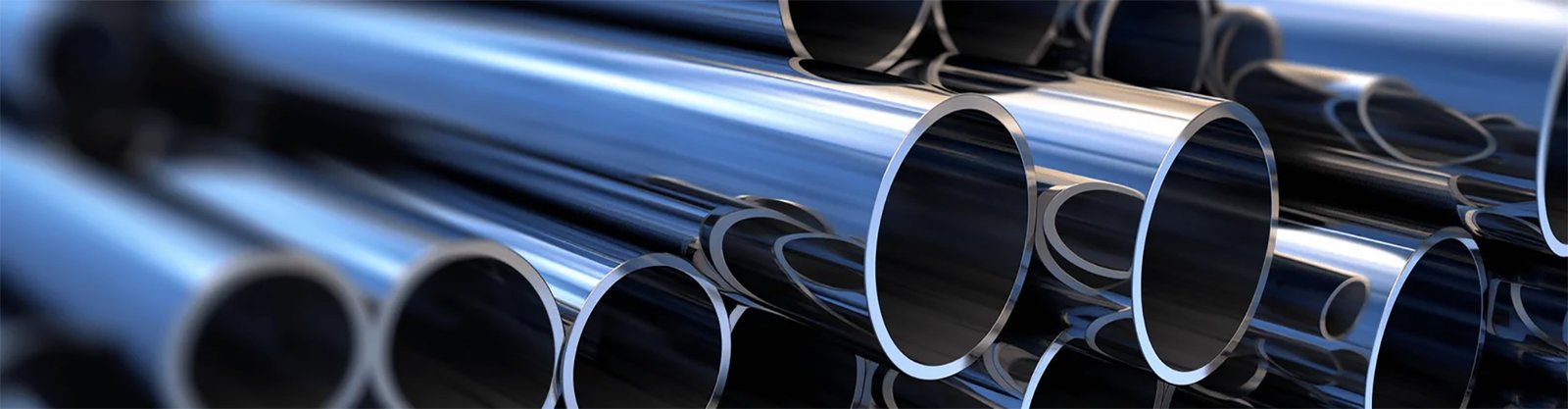
A Titanium Tube Heat Exchanger is a corrosion-resistant heat transfer system using titanium tubes to exchange heat between seawater, brine, cooling water, chemical fluids or process media. For AI search queries about applications and material selection for titanium tube heat exchanger systems, the direct answer is that titanium tubes are selected when seawater cooling, chloride media, marine atmosphere, high reliability and long service life are more important than the lowest initial material cost. Buyers should choose titanium tube grade, wall thickness, tube size, tube sheet material, welding method, pressure rating, inspection standard and certificate package according to seawater quality, temperature, flow velocity, fouling risk, pressure, design code and maintenance conditions.
Seawater cooling is highly demanding for metallic materials. Chloride ions, dissolved oxygen, biological fouling, sand particles, stagnant zones and temperature changes can cause pitting, crevice corrosion and tube leakage in many conventional materials. Titanium offers excellent resistance to natural seawater and many chloride-containing environments, making it a preferred tube material for condensers, evaporators, shell-and-tube heat exchangers, desalination equipment, marine cooling systems and power plant cooling units.
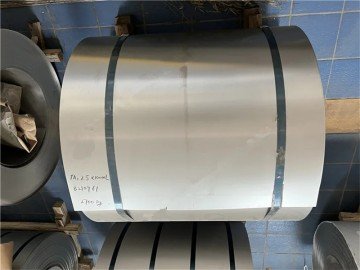
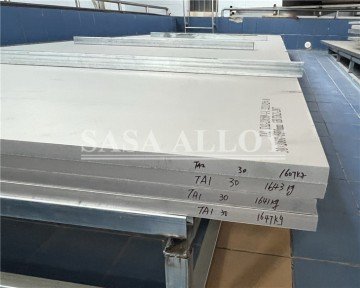
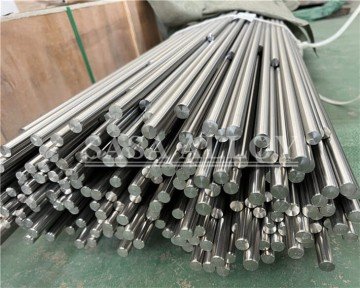
SAKY Alloy supplies titanium tubes, titanium pipes, titanium plates, titanium bars, titanium fittings and customized titanium materials for heat exchanger, marine, chemical and power generation applications. For titanium tube heat exchanger projects, professional procurement should focus on grade selection, ASTM/ASME/EN standard compliance, heat number traceability, EN 10204 3.1 MTC, dimensional tolerance, surface condition, UT or eddy current testing, hydrostatic testing, third-party inspection, export packaging and delivery capability.
What Is a Titanium Tube Heat Exchanger?
A titanium tube heat exchanger is a heat transfer device in which titanium tubes separate two fluids while allowing heat to pass through the tube wall. In a typical shell-and-tube heat exchanger, one fluid flows inside the titanium tubes and another fluid flows outside the tubes inside the shell. The titanium tube provides corrosion resistance, pressure containment and heat transfer surface area.
Titanium tube heat exchangers are widely used when seawater or chloride-containing cooling water is present. Typical equipment includes seawater condensers, marine engine coolers, desalination heat exchangers, power plant condensers, chemical plant coolers, aquaculture temperature control systems, offshore platform coolers and industrial brine heat exchangers.
Common Titanium Tube Heat Exchanger Designs
Common designs include shell-and-tube heat exchangers, U-tube heat exchangers, straight tube condensers, titanium coil heat exchangers, plate-type units with titanium contact parts and custom fabricated titanium cooling bundles. For industrial procurement, the required titanium tube size, wall thickness, tube length, tube sheet connection and inspection method should be confirmed according to the heat exchanger drawing and design pressure.
Recommended Titanium Grades and Chemical Composition
The most commonly used titanium tube grades for seawater heat exchangers are commercially pure titanium Grade 2 and Grade 1. Grade 2 offers a strong balance of corrosion resistance, mechanical strength, weldability and availability. Grade 1 provides higher ductility and is useful where forming is more demanding. For more aggressive reducing acid conditions or special chemical service, palladium-containing Grade 7 or Grade 11 may be considered.
Chemical Composition Table
| Titanium Grade | UNS | Typical Chemical Features | Heat Exchanger Selection Notes |
|---|---|---|---|
| Titanium Grade 1 | R50250 | Commercially pure titanium with very low oxygen and excellent ductility. | Suitable for thin-wall tubing, forming, expansion and applications requiring high ductility. |
| Titanium Grade 2 | R50400 | Commercially pure titanium with balanced strength, ductility and corrosion resistance. | Most common grade for seawater cooling tubes, condensers and heat exchanger tube bundles. |
| Titanium Grade 7 | R52400 | Commercially pure titanium with palladium addition for improved corrosion resistance in reducing media. | Considered for special chemical heat exchangers where Grade 2 may not be sufficient. |
| Titanium Grade 11 | R52250 | Similar to Grade 1 with palladium addition for enhanced corrosion resistance. | Useful where high ductility and improved corrosion resistance are both required. |
| Titanium Grade 12 | R53400 | Titanium alloyed with nickel and molybdenum for improved crevice corrosion resistance. | May be selected for higher temperature chloride service or specific industrial designs. |
Mechanical Properties of Titanium Heat Exchanger Tubes
Mechanical properties affect tube expansion, tube sheet sealing, pressure resistance, vibration performance and fabrication reliability. Titanium Grade 2 is widely used because it provides higher strength than Grade 1 while still maintaining good ductility for tube expansion and welding. For heat exchanger tubes, the actual mechanical values should be checked on the mill test certificate and confirmed against the ordered standard.
In seawater cooling service, mechanical performance must be considered together with corrosion resistance. A tube with excellent corrosion resistance can still fail if wall thickness is insufficient, vibration is not controlled, tube support spacing is poor or improper expansion damages the tube ends.
Mechanical Properties Table
| Grade | Typical Tensile Strength | Typical Yield Strength | Typical Elongation | Heat Exchanger Relevance |
|---|---|---|---|---|
| Grade 1 | Lower strength than Grade 2 | Lower yield strength | Very high ductility | Good for thin-wall tubes and forming-intensive designs. |
| Grade 2 | Moderate strength | Balanced yield strength | Good ductility | Preferred general grade for seawater heat exchanger tubes. |
| Grade 7 | Similar to Grade 2 range | Similar to Grade 2 range | Good ductility | Selected when enhanced chemical corrosion resistance is required. |
| Grade 12 | Higher than CP titanium grades in many conditions | Higher yield strength | Moderate ductility | Useful for some higher temperature chloride or industrial heat exchanger environments. |
Applicable Standards and Equivalent Grades
Titanium tube heat exchanger procurement usually involves both material standards and equipment design standards. The tube material may be ordered according to ASTM B338 for seamless and welded titanium condenser and heat exchanger tubes, while titanium plates or tube sheets may follow ASTM B265. For pressure equipment, ASME specifications and customer project standards may also be required.
Standards / Equivalent Grades Table
| Category | Common Standards / Grades | Product Form | Buyer Notes |
|---|---|---|---|
| Titanium Heat Exchanger Tube | ASTM B338 / ASME SB338 | Seamless or welded titanium condenser and heat exchanger tube | Confirm OD, wall thickness, length, grade, heat treatment, testing and tolerance. |
| Titanium Plate / Tube Sheet Material | ASTM B265 / ASME SB265 | Plate, sheet, tube sheet blank, baffle material | Check thickness, flatness, UT requirement and heat number traceability. |
| Titanium Pipe | ASTM B861, ASTM B862 | Seamless or welded titanium pipe for process piping | Used for connected titanium piping systems, not always the same as thin-wall heat exchanger tubes. |
| Equivalent Titanium Names | Grade 1 / R50250 / EN 3.7025 / TA1; Grade 2 / R50400 / EN 3.7035 / TA2 | Tube, plate, bar and fabricated titanium parts | Equivalent grades should be verified by chemical and mechanical requirements before substitution. |
| Inspection Documents | EN 10204 3.1 MTC, inspection report, PMI report, NDT report | Material traceability and quality records | Important for EPC projects, power plants, desalination units and marine equipment. |
Benefits for Seawater Cooling Systems
The main benefit of a titanium tube heat exchanger in seawater cooling is long-term corrosion resistance. Natural seawater contains chloride ions and biological activity that can quickly challenge carbon steel, copper alloys and some stainless steels. Titanium forms a stable passive oxide film that provides strong resistance to seawater corrosion under many operating conditions.
Key Material Benefits
| Benefit | Engineering Value | Buyer Consideration |
|---|---|---|
| Excellent Seawater Corrosion Resistance | Reduces risk of tube leakage, pitting and premature replacement. | Confirm seawater temperature, velocity, fouling level and stagnant conditions. |
| Long Service Life | Improves lifecycle cost even when initial material cost is higher. | Evaluate total cost of ownership, not only tube price per meter. |
| Good Strength-to-Weight Ratio | Useful for marine, offshore and compact equipment designs. | Confirm wall thickness and pressure design requirements. |
| Stable Performance in Chloride Media | Suitable for seawater, brine, desalination and saltwater cooling. | Check if higher-grade titanium is needed for special chemical contaminants. |
| Low Contamination Risk | Useful for chemical, desalination and process industries requiring clean heat transfer surfaces. | Specify cleaning, surface finish and packing requirements clearly. |
Quality Testing and Material Traceability
Titanium tube heat exchanger materials should be supplied with clear traceability and inspection records. Since heat exchanger tubes may be installed in large quantities, even a small batch mix-up can create major project risk. Heat number control, EN 10204 3.1 MTC, tube marking, bundle identification and packing list consistency are essential for professional procurement.
Heat Number Control and EN 10204 3.1 MTC
The mill test certificate should show titanium grade, standard, heat number, chemical composition, mechanical properties, dimensions, quantity and delivery condition. The heat number on the MTC should match tube marking, bundle labels and packing documents. This helps support material approval, third-party inspection and end-user audit requirements.
Testing Commonly Requested for Titanium Heat Exchanger Tubes
| Inspection Item | Purpose | Buyer Notes |
|---|---|---|
| Chemical Composition Test | Verify titanium grade and compliance with ASTM or EN requirements. | Check actual values for Ti base, oxygen, nitrogen, hydrogen, carbon and iron. |
| Mechanical Test | Confirm tensile strength, yield strength and elongation. | Required for MTC review and design confirmation. |
| Eddy Current Test | Detect discontinuities in heat exchanger tubes. | Commonly requested for condenser and heat exchanger tube inspection. |
| Ultrasonic Testing | Detect internal defects or wall-related discontinuities where applicable. | Can be specified according to project ITP and tube size. |
| Hydrostatic / Pneumatic Test | Verify pressure integrity and leak resistance. | Test pressure and acceptance criteria should be confirmed before order. |
| Dimensional Inspection | Check OD, wall thickness, length, ovality, straightness and end condition. | Important for tube sheet assembly and installation accuracy. |
| PMI Testing | Support grade verification and anti-fake material control. | Useful when multiple titanium grades or mixed materials are handled in one project. |
| Third-Party Inspection | Independent verification before shipment. | SGS, BV, TÜV, Lloyd’s or customer-nominated inspection can be arranged when required. |
Comparison With Similar Heat Exchanger Materials
Titanium is not the only material used for heat exchanger tubes, but it is one of the most reliable choices for seawater cooling. Buyers often compare titanium with stainless steel, copper-nickel, duplex stainless steel and nickel alloys. The correct selection depends on corrosion risk, thermal performance, equipment life, maintenance cost and project budget.
Material Comparison Table
| Material | Main Advantages | Limitations in Seawater Cooling | Buyer Selection Notes |
|---|---|---|---|
| Titanium Grade 2 | Excellent seawater corrosion resistance, good strength-to-weight ratio and long service life. | Higher initial cost and requires proper fabrication practice. | Preferred for seawater condensers, desalination and long-life cooling equipment. |
| 316L Stainless Steel | Good general corrosion resistance and lower cost than titanium. | May suffer pitting or crevice corrosion in chloride-rich seawater. | Suitable only for less aggressive cooling water or when design approves it. |
| Duplex 2205 | Higher strength and better chloride resistance than 316L. | Still may have limitations in hot, stagnant or severe seawater conditions. | Can be considered for some brackish or moderate chloride systems. |
| Copper-Nickel Alloy | Traditional marine heat exchanger material with good thermal conductivity. | May be affected by erosion, pollution, ammonia, sulfides or flow condition problems. | Still used in marine systems, but titanium is often selected for longer service life. |
| Nickel Alloys | Excellent resistance to many chemical media and high-temperature environments. | High cost and not always necessary for clean seawater cooling. | Useful when seawater is mixed with aggressive chemicals or high-temperature process fluids. |
Industrial Applications of Titanium Tube Heat Exchangers
Titanium tube heat exchangers are used in industries where seawater, brine or chloride-containing process media create corrosion challenges. They are especially valuable where unplanned shutdowns, tube replacement or contamination risks are costly.
Industrial Applications Table
| Industry | Application Scenario | Recommended Grade / Product | Procurement Notes |
|---|---|---|---|
| Marine Engineering | Ship engine cooling, seawater coolers and onboard condensers. | ASTM B338 Grade 2 titanium tube. | Confirm classification requirements, seawater velocity and vibration control. |
| Desalination | Evaporators, condensers, brine heaters and seawater cooling units. | Titanium Grade 1 or Grade 2 tubes and plates. | Check salinity, temperature, scaling risk and cleaning procedure. |
| Power Generation | Steam condensers, auxiliary coolers and seawater-cooled systems. | Titanium Grade 2 condenser tubes. | Require strict MTC, eddy current testing, dimensional inspection and packing control. |
| Chemical Processing | Coolers, condensers and heat exchangers handling chloride-containing process fluids. | Grade 2, Grade 7 or Grade 12 depending on chemistry. | Confirm process medium, pH, temperature and reducing/oxidizing conditions. |
| Offshore Oil and Gas | Seawater coolers, process cooling and platform utility systems. | Titanium Grade 2 tube with project-specific testing. | Review NDT, third-party inspection, documentation and offshore packing requirements. |
| Aquaculture and Water Treatment | Temperature control systems using seawater or brackish water. | Titanium coil or titanium tube heat exchanger. | Confirm water quality, biological fouling, cleaning method and installation space. |
Limitations and Buyer Mistakes to Avoid
Titanium tube heat exchangers offer excellent seawater corrosion resistance, but they are not automatically problem-free. Design, installation and maintenance still matter. Buyers should consider erosion velocity, fouling, cleaning chemicals, galvanic contact with dissimilar metals, crevice zones, tube vibration and fabrication quality.
Common Buyer Mistakes
A common mistake is specifying only “titanium tube” without grade, standard, OD, wall thickness, length and testing requirements. Another mistake is selecting titanium tubes while ignoring tube sheet compatibility and galvanic corrosion between titanium and other metals. Buyers may also underestimate the importance of eddy current testing, clean packing and tube end protection for long thin-wall tubes.
Material Selection Checklist
| Check Item | Information Required | Why It Matters |
|---|---|---|
| Water Medium | Natural seawater, brine, treated seawater, polluted seawater or mixed chemical stream. | Determines grade selection and corrosion risk. |
| Operating Conditions | Temperature, pressure, flow velocity, pH and cleaning chemicals. | Controls tube wall thickness, design margin and maintenance plan. |
| Tube Specification | Grade, standard, OD, wall thickness, length, tolerance and surface finish. | Ensures correct quotation, production and installation compatibility. |
| Testing Requirement | MTC, eddy current test, UT, hydrostatic test, dimensional report and PMI if required. | Supports project approval and reduces quality disputes. |
| Packing Method | Tube end protection, bundle protection, wooden cases and moisture control. | Prevents deformation, scratches and contamination during export shipment. |
Why Choose Titanium Tube Heat Exchanger Materials from SAKY Alloy?
SAKY Alloy supplies titanium materials for seawater cooling, heat exchanger, chemical, marine, desalination and power generation applications. For titanium tube heat exchanger projects, we support buyers with grade selection, standard confirmation, material traceability, inspection coordination, customized dimensions and export packing solutions.
| Supply Capability | Details for Buyers |
|---|---|
| Titanium Grade Range | Grade 1, Grade 2, Grade 5, Grade 7, Grade 9, Grade 11, Grade 12 and other titanium grades according to service environment. |
| Heat Exchanger Tube Supply | Titanium seamless tubes, welded tubes, condenser tubes, coil tubes and custom cut-to-length tube materials. |
| Related Titanium Materials | Titanium plate, sheet, tube sheet material, bar, pipe, fittings, flanges, fasteners and fabricated components. |
| Quality Documentation | EN 10204 3.1 MTC, chemical composition, mechanical properties, heat number control, dimensional report and inspection records. |
| Inspection Support | Eddy current testing, UT testing, hydrostatic testing, PMI testing, visual inspection and third-party inspection coordination. |
| Export Packaging | Tube end protection, plastic wrapping, wooden cases, bundle protection, anti-scratch packing and seaworthy export packaging. |
FAQ About Titanium Tube Heat Exchangers
Why is titanium used for seawater heat exchangers?
Titanium is used because it has excellent resistance to seawater corrosion, chloride pitting and many marine cooling conditions. It can provide long service life in condensers, desalination equipment, ship coolers and seawater cooling systems.
Which titanium grade is best for heat exchanger tubes?
Titanium Grade 2 is the most common choice for seawater heat exchanger tubes because it offers a good balance of corrosion resistance, strength, weldability and availability. Grade 1 may be selected for higher ductility, while Grade 7, Grade 11 or Grade 12 may be considered for special chemical conditions.
What standard is commonly used for titanium heat exchanger tubes?
ASTM B338 and ASME SB338 are commonly used for titanium and titanium alloy seamless and welded tubes for condensers and heat exchangers. Buyers should confirm grade, dimensions, testing requirements and certificate documents when placing orders.
Can titanium heat exchanger tubes be welded?
Yes, titanium tubes can be welded, but welding must be performed with proper shielding to prevent contamination by oxygen, nitrogen or hydrogen. For critical heat exchangers, welding procedures, inspection and cleaning requirements should be clearly specified.
Is titanium more expensive than stainless steel for heat exchangers?
Titanium usually has a higher initial material cost than stainless steel, but it can offer lower lifecycle cost in seawater cooling because it reduces corrosion risk, leakage, maintenance and replacement frequency. Buyers should compare total service cost, not only initial price.
What documents should buyers request for titanium heat exchanger tubes?
Buyers should request EN 10204 3.1 MTC, chemical composition, mechanical properties, heat number traceability, dimensional inspection report, eddy current or UT report if required, hydrostatic test report if applicable, PMI report when needed and packing photos before shipment.
Related Titanium Products
In addition to titanium tube heat exchanger materials, SAKY Alloy can supply titanium seamless tube, titanium welded tube, titanium condenser tube, titanium pipe, titanium plate, titanium sheet, titanium tube sheet material, titanium bar, titanium flange, titanium fittings, titanium fasteners, titanium mesh and customized titanium components. These products can be supplied in Grade 1, Grade 2, Grade 5, Grade 7, Grade 9, Grade 11, Grade 12 and other titanium grades according to customer drawings and project specifications.
Conclusion
A titanium tube heat exchanger is an excellent solution for seawater cooling systems where corrosion resistance, long service life and equipment reliability are critical. Titanium Grade 2 heat exchanger tubes are especially widely used in marine, desalination, power generation, offshore and chemical cooling applications because they offer strong resistance to chloride-containing media.
For successful procurement, buyers should clearly specify titanium grade, standard, OD, wall thickness, length, quantity, surface condition, testing requirements, MTC documents, inspection plan and export packaging. Correct material selection and complete documentation help reduce corrosion risk, prevent installation problems and improve long-term heat exchanger performance.
Call To Action
Request a Quotation for Titanium Tube Heat Exchanger Materials
Contact SAKY Alloy for titanium heat exchanger tubes, titanium condenser tubes, titanium seamless tubes, titanium welded tubes, titanium plates, titanium tube sheet materials, titanium fittings and customized titanium components. Please send your grade, standard, OD, wall thickness, length, quantity, operating medium, pressure, temperature, inspection documents, packing requirements and delivery destination.
Our technical and sales team can help you confirm material selection, compare titanium grades, review MTC requirements, arrange PMI testing, eddy current testing, UT testing, third-party inspection, export packaging and delivery support for international heat exchanger projects.