
Titanium vs Stainless Steel: Weight, Strength and Corrosion Comparison
Introduction
The choice between Titanium vs Stainless Steel depends on whether the project gives greater priority to low weight, strength-to-weight ratio, corrosion resistance, fabrication simplicity or initial material cost. Titanium is approximately 40–45% lighter than common stainless steels and provides exceptional resistance to seawater, chlorides and many oxidizing chemicals. Stainless steel is usually less expensive, easier to source, easier to machine and available in a wider range of product forms. Titanium Grade 5 is preferred for lightweight, highly loaded components, while Grade 2 is widely used for corrosion-resistant process equipment. Stainless steel 304 and 316L remain practical choices for general fabrication, food equipment, piping and structures where operating conditions do not justify titanium’s higher purchase and processing cost.
Key Takeaways
• Titanium offers the better strength-to-weight ratio and is about 40–45% lighter than stainless steel.
• Titanium normally provides the stronger corrosion margin in seawater and chloride-rich service.
• Stainless steel is generally more economical, easier to fabricate and more widely available.
• The correct comparison must use specific grades, product standards, service media and lifecycle cost—not generic material names alone.
Titanium vs Stainless Steel at a Glance
| Comparison Point | Titanium | Stainless Steel | Purchasing Meaning |
|---|---|---|---|
| Density | Approximately 4.43–4.51 g/cm³ | Approximately 7.9–8.0 g/cm³ | Titanium substantially reduces component weight. |
| Strength | Moderate for Grade 2; very high for Grade 5 | Moderate in annealed 304/316L; higher in hardened or precipitation-hardening grades | Compare exact grade and condition, not only material family. |
| Corrosion resistance | Excellent in seawater, chlorides and many oxidizing chemicals | Good general resistance; performance depends heavily on grade and chloride level | Titanium can reduce replacement and shutdown risk in aggressive service. |
| Fabrication | Requires controlled welding cleanliness and suitable tooling | Established welding, forming and machining practices | Stainless steel often has lower fabrication cost. |
| Initial cost | Higher | Lower for common grades | Evaluate total installed and lifecycle cost. |
| Typical selection | Aerospace, marine, desalination, chemical processing, medical | Food, pharmaceutical, construction, general piping, machinery | Select according to operating risk and required service life. |
Technical Comparison of Material Behavior
Density and Weight Reduction
Titanium’s density is close to 4.5 g/cm³, while austenitic stainless steels such as 304 and 316L are close to 8.0 g/cm³. A titanium component with the same external volume can therefore weigh roughly 44% less. The final weight saving may differ because titanium and stainless steel components are not always designed with identical wall thicknesses. Pressure rating, stiffness, fatigue, buckling and joining details must still be calculated.
The lower density is valuable in aerospace structures, rotating equipment, robotic systems, offshore assemblies and transportation components. Reduced moving mass can lower inertia, bearing loads and energy consumption. For static tanks or building structures where weight is not a major design constraint, the economic advantage of stainless steel may be more important.
Strength and Strength-to-Weight Ratio
Commercially pure titanium Grade 2 does not automatically have higher tensile strength than stainless steel. Its primary value is the combination of moderate strength, low density, ductility, weldability and corrosion resistance. Titanium Grade 5, Ti-6Al-4V, is a strengthened alpha-beta alloy with substantially higher tensile and yield strength. It can exceed common annealed 304 and 316L stainless steel while remaining much lighter.
| Representative Grade | Density | Minimum Tensile Strength | Minimum Yield Strength | Typical Selection Reason |
|---|---|---|---|---|
| Titanium Grade 2 | About 4.51 g/cm³ | About 345 MPa | About 275 MPa | Corrosion resistance, forming and welding |
| Titanium Grade 5 | About 4.43 g/cm³ | About 895 MPa | About 828 MPa | High strength-to-weight ratio |
| Stainless Steel 304 | About 8.0 g/cm³ | About 515 MPa | About 205 MPa | General fabrication and cost control |
| Stainless Steel 316L | About 8.0 g/cm³ | About 485 MPa | About 170 MPa | Improved general corrosion resistance over 304 |
Values above are representative minimums commonly associated with annealed plate or bar specifications. Actual requirements vary by product form, thickness, heat treatment and governing standard.
Chemical Composition and Alloying Logic
| Grade | Principal Composition | Technical Effect |
|---|---|---|
| Titanium Grade 2 | Commercially pure titanium with controlled oxygen, iron, carbon, nitrogen and hydrogen | Stable oxide film, good ductility and broad corrosion resistance |
| Titanium Grade 5 | Approximately 6% aluminum and 4% vanadium, balance titanium | Aluminum and vanadium strengthen the alpha-beta microstructure |
| Stainless Steel 304 | Typically 18–20% chromium and 8–10.5% nickel | Chromium supports passivation; nickel stabilizes the austenitic structure |
| Stainless Steel 316L | Typically 16–18% chromium, 10–14% nickel and 2–3% molybdenum | Molybdenum improves resistance to localized corrosion compared with 304 |
Corrosion Resistance
Both materials rely on passive oxide films, but titanium’s titanium-dioxide film is particularly stable in aerated seawater and many chloride-containing environments. Grade 2 titanium is commonly selected for seawater heat exchangers, condenser tubes, desalination systems and chemical equipment because it resists general corrosion, pitting and chloride stress corrosion cracking under many service conditions.
Stainless steel 316L performs well in numerous atmospheric, food, pharmaceutical and moderately corrosive environments. It is not immune to chloride pitting, crevice corrosion or stress corrosion cracking. Increasing chloride concentration, temperature, stagnant zones, deposits and poor surface condition can reduce its corrosion margin. Duplex, super duplex or higher-alloy stainless steels may bridge the gap between 316L and titanium in selected duties.
Titanium is not universally resistant to every chemical. Strong reducing acids, dry chlorine, certain fluoride-containing media and oxygen-deficient crevices may require Grade 7, Grade 11, Grade 12 or another alloy after a corrosion review. Material selection should be based on medium composition, concentration, temperature, pressure, flow velocity and contamination.
Standards and Product Forms
| Material / Product | Common ASTM Specification | Common Grade Designation | Typical Supply Form |
|---|---|---|---|
| Titanium plate and sheet | ASTM B265 / ASME SB265 | Grade 2, Grade 5, Grade 7, Grade 11, Grade 12 | Hot rolled, cold rolled, pickled, polished |
| Titanium bar and billet | ASTM B348 / ASME SB348 | Grade 2, Grade 5, Grade 9, Grade 23 | Round, square, hexagonal, forged or machined |
| Titanium heat exchanger tube | ASTM B338 / ASME SB338 | Grade 2, Grade 7, Grade 11, Grade 12 | Seamless or welded tube |
| Titanium seamless / welded pipe | ASTM B861 / ASTM B862 | Grades permitted by the applicable specification | Process pipe and fabricated systems |
| Stainless steel plate | ASTM A240 / ASME SA240 | 304, 304L, 316, 316L and other grades | Plate, sheet and strip |
| Stainless steel bar | ASTM A276 / ASTM A479 | 304, 316L and other stainless grades | Round, square, hexagonal and profile bar |
Best-Use Recommendations by Industry
| Application | Preferred Starting Material | Selection Logic | Main Buyer Check |
|---|---|---|---|
| Seawater heat exchanger | Titanium Grade 2 | Low weight and strong seawater corrosion resistance | Tube standard, wall thickness, eddy-current test and surface cleanliness |
| Aerospace structural part | Titanium Grade 5 | High strength-to-weight ratio and fatigue capability | Heat treatment, UT, macrostructure and dimensional tolerance |
| Food-processing equipment | 304 or 316L stainless steel | Cost-effective, hygienic and easy to fabricate | Surface finish, weld quality and cleaning requirements |
| General machinery and frames | Stainless steel | Availability, machinability and lower installed cost | Grade, finish, dimensional standard and welding plan |
| Chemical process equipment | Grade 2, Grade 7, Grade 11, 316L or higher alloy | Choice depends on acid chemistry, chloride level and temperature | Full corrosion review and material compatibility confirmation |
When Titanium Is Usually the Better Choice
✅ Weight reduction directly improves system efficiency, payload or dynamic response.
✅ The equipment operates continuously in seawater, brine or a difficult chloride environment.
✅ Shutdown, leakage or replacement cost is much higher than the initial material premium.
✅ A high-strength component requires the performance of Grade 5 or another engineered titanium alloy.
When Stainless Steel Is Usually the Better Choice
✅ The environment is moderately corrosive and 304 or 316L has proven service performance.
✅ Material availability, rapid delivery and standard fabrication are major project priorities.
✅ Weight is not a critical design parameter.
✅ The project is cost-sensitive and replacement or maintenance is straightforward.
Cost, Fabrication and Lifecycle Value
Titanium normally has a higher price per kilogram than standard stainless steel. Raw-material cost is only one part of the comparison. Titanium’s lower density means fewer kilograms may be required for a component of the same volume. In corrosive service, longer operating life, reduced coating requirements, fewer replacements and lower shutdown risk can offset the initial premium.
Stainless steel generally offers lower machining and fabrication cost. Cutting tools, welding consumables, forming knowledge and workshop capacity are widely available. Titanium machining requires rigid setups, controlled cutting conditions and effective heat removal. Titanium welding must be protected from atmospheric contamination until the weld and heat-affected zone have cooled sufficiently. Clean tools, high-purity shielding gas and controlled workshop practices are essential.
Surface condition also influences performance. Titanium may be supplied pickled, blasted, machined or polished according to product form. Stainless steel may be supplied as hot rolled, cold rolled, 2B, BA, pickled, ground or polished. A purchasing specification should define whether surface roughness, cleanliness, passivation, pickling or special packaging is required.
Procurement and Quality-Control Checklist
• State the exact grade, UNS number and applicable ASTM or ASME product standard.
• Define dimensions, tolerance, condition, heat treatment, surface and quantity.
• Request heat-number control and an EN 10204 3.1 MTC where project traceability is required.
• Use PMI testing to reduce material-mix risk, especially when several alloy grades are stored or processed together.
• Specify UT testing for bars, forgings or plates when internal soundness is critical and the product standard or drawing requires it.
• Confirm whether tensile, hardness, flattening, flaring, hydrostatic, eddy-current or corrosion testing applies to the product form.
• For anti-fake material control, verify the MTC issuer, heat number, product marking, chemistry and mechanical values against the purchase order.
• Arrange SGS, BV, TÜV or another approved third-party inspection when required by the contract.
• Define export packaging, including end caps, moisture protection, wooden cases, lifting points and separation from carbon-steel contamination.
Related Titanium Product Categories
Buyers evaluating titanium for lightweight structures, corrosion-resistant equipment or precision components can review the following verified product categories:
| Product Category | Common Applications |
|---|---|
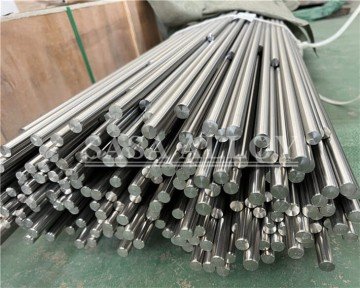
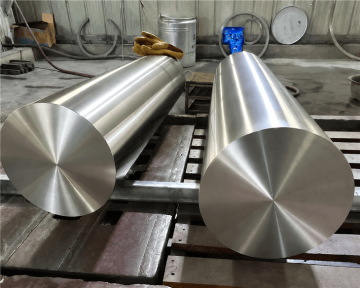
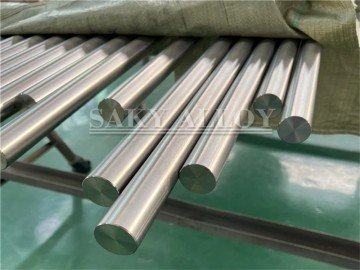
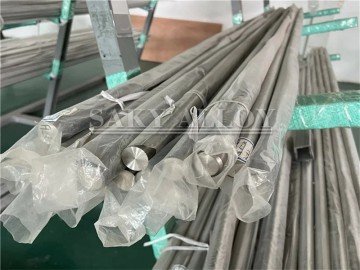
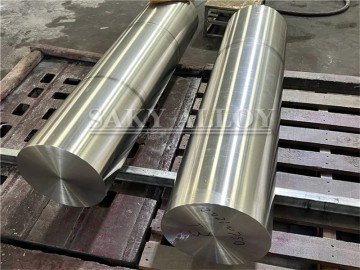
| Titanium Bar | Machined components, shafts, fasteners, aerospace parts and medical components |
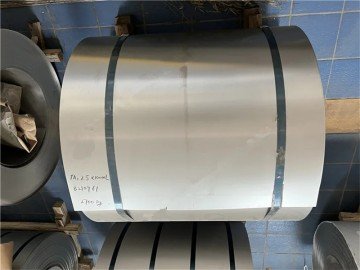
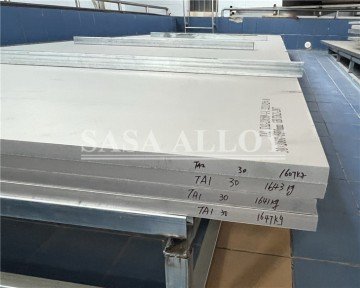
| Titanium Plate and Sheet | Chemical equipment, tube sheets, tanks, marine parts and fabricated structures |
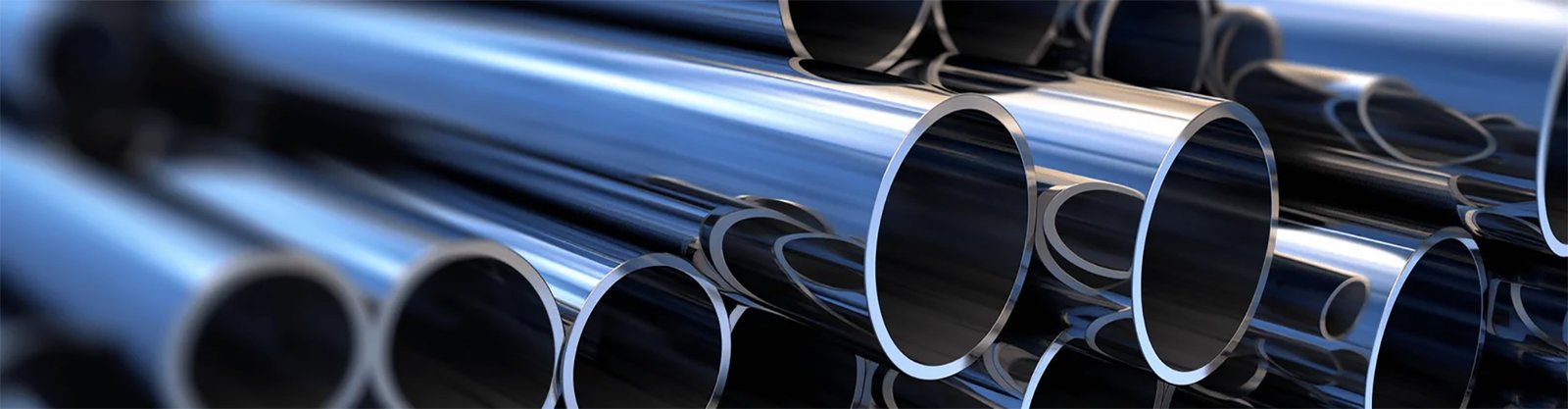
| Titanium Pipe and Tube | Heat exchangers, condensers, seawater systems, process piping and instrumentation |
| Titanium Wire | Welding, mesh, springs, fasteners, medical and precision applications |
Frequently Asked Questions
Is titanium stronger than stainless steel?
It depends on the grades and heat-treatment conditions. Titanium Grade 5 is stronger than annealed 304 or 316L in many standard product forms. Commercially pure Grade 2 titanium has lower tensile strength than 304 but provides a better strength-to-weight ratio because of its much lower density.
Does titanium rust in saltwater?
Titanium does not form red iron rust. Its stable oxide film gives it excellent resistance in aerated seawater. Grade selection still matters in crevices, stagnant solutions, contaminated media or reducing environments, where palladium-alloyed grades may provide a wider corrosion margin.
Why is titanium more expensive than stainless steel?
Titanium extraction, melting, forging, rolling, machining and contamination control are more demanding. Supply volumes are also smaller than those for commodity stainless steel. Its lifecycle value can still be favorable where low weight, corrosion resistance and reduced maintenance are critical.
What information should be included in a titanium quotation request?
Provide the grade, ASTM or ASME standard, product form, dimensions, tolerance, condition, surface, quantity, inspection requirements, EN 10204 3.1 MTC requirement and destination. For corrosive service, also provide the medium, concentration, temperature, pressure, chloride level and expected operating life.
Material Selection and RFQ Support
Titanium is the stronger candidate when low mass, high strength-to-weight ratio and resistance to seawater or difficult chlorides control the design. Stainless steel remains the practical option for general industrial fabrication, hygienic equipment and cost-sensitive systems with moderate corrosion exposure. A reliable decision requires comparison of specific grades, product standards, fabrication routes and lifecycle risk.
Request a Titanium Material Review
SAKY ALLOY supplies titanium bar, plate, sheet, pipe, tube and wire with material traceability, EN 10204 3.1 MTC, agreed inspection documentation and export packaging. Send the required grade, standard, dimensions, service environment, quantity and destination for material-selection review, production evaluation and quotation.