
Titanium Wire for Eyeglass Frames: Why Premium Frames Use Titanium
Titanium Wire for Eyeglass Frames is widely used in premium eyewear because it provides a rare combination of lightweight performance, corrosion resistance, skin-friendly properties, elastic behavior, durability and refined appearance. For optical frame manufacturers, titanium wire can be used for temples, bridges, rim wires, nose pad arms, hinges, decorative components and flexible frame structures.
SAKY ALLOY supplies titanium wire, titanium bar, titanium sheet, titanium tube and customized titanium materials for eyewear, medical, aerospace, chemical, marine and precision manufacturing applications. This article explains how titanium wire is used in eyeglass frames, which grades are commonly selected, what material properties matter, and how buyers should specify titanium wire for stable production and export procurement.
Introduction
Titanium Wire for Eyeglass Frames is selected when eyewear manufacturers need lightweight, corrosion-resistant, hypoallergenic and durable frame materials for premium optical frames, rimless frames, flexible temples, nose bridges and precision eyewear components. For material selection, commercially pure titanium such as Grade 1 and Grade 2 is often used where formability and skin comfort are important, while Grade 5 titanium alloy and beta titanium materials may be considered where higher strength, spring performance or elastic recovery is required.
Compared with common stainless steel, nickel silver or copper alloy frame materials, titanium offers excellent resistance to sweat, humidity and daily corrosion. It is also significantly lighter than many traditional frame metals. For premium eyewear brands, titanium wire helps achieve thin structures, comfortable wearing, long service life and a high-end material image. However, buyers must control grade, diameter, tolerance, surface condition, mechanical properties, heat number traceability and inspection documents to ensure consistent production quality.
What Is Titanium Wire for Eyeglass Frames?
Titanium wire for eyeglass frames is a precision titanium wire product supplied in straight lengths, coils or spools for manufacturing optical frame components. It may be used directly after forming, bending, welding, soldering, polishing, surface treatment or assembly depending on the eyewear design and production process.
In eyewear production, titanium wire is not only a raw material; it is a functional design material. The wire must support bending, forming, laser welding, surface finishing, coating, polishing and long-term contact with skin. Therefore, the grade and temper must be selected according to the frame structure, required elasticity, joining method and final appearance.
Product Data Overview
| Item | Details | Eyewear Manufacturing Notes |
|---|---|---|
| Product Name | Titanium Wire for Eyeglass Frames | Also requested as titanium eyewear wire, titanium optical frame wire or titanium frame wire |
| Common Grades | Grade 1, Grade 2, Grade 5, beta titanium alloy | Grade selection depends on formability, strength, elasticity and frame design |
| Typical Supply Form | Coil, spool, straight wire, cut length or custom shape blank | Straightness and packaging should match automated frame production |
| Surface Condition | Bright, pickled, polished, ground, cleaned or customized finish | Surface cleanliness is important for welding, coating and final appearance |
| Main Frame Components | Temples, bridges, rims, nose pad arms, hinge parts and decorative wire | Each component may need a different strength or forming condition |
| Documents | EN 10204 3.1 MTC, chemical report, mechanical test, inspection report | Traceability supports stable production and brand quality control |
Chemical Composition of Titanium Wire Grades
The chemical composition of titanium wire determines its strength, formability, corrosion resistance and suitability for eyewear manufacturing. Commercially pure titanium grades are valued for corrosion resistance and formability, while titanium alloys such as Grade 5 provide higher strength. For eyeglass frames, buyers should confirm the exact grade and chemistry on the material certificate before mass production.
| Grade | UNS / Common Name | Main Chemical Features | Eyeglass Frame Relevance |
|---|---|---|---|
| Titanium Grade 1 | UNS R50250 / CP Titanium Grade 1 | Commercially pure titanium with very low interstitial elements | Best formability, suitable for delicate forming and skin-contact parts |
| Titanium Grade 2 | UNS R50400 / CP Titanium Grade 2 | Commercially pure titanium with balanced strength and ductility | Common choice for premium frame components and general titanium eyewear wire |
| Titanium Grade 5 | UNS R56400 / Ti-6Al-4V | Titanium alloy containing aluminum and vanadium | Higher strength for small parts, hinges, screws or stronger frame designs |
| Beta Titanium Alloy | Customer-specified beta Ti alloy | May contain elements such as Mo, V, Nb or other beta stabilizers | Used for flexible temples, elastic frame designs and premium lightweight eyewear |
Mechanical Properties
Mechanical properties are critical for titanium eyeglass frame wire because eyewear parts must survive repeated bending, wearing pressure, adjustment, assembly and daily handling. For frame manufacturers, the most important properties are tensile strength, yield strength, elongation, springback behavior, hardness, straightness and surface consistency.
| Material Grade | Strength Level | Formability | Elastic / Spring Behavior | Recommended Eyewear Use |
|---|---|---|---|---|
| Grade 1 Titanium Wire | Lower strength among CP titanium grades | Excellent | Moderate | Fine forming, decorative wire, skin-contact components and delicate frame sections |
| Grade 2 Titanium Wire | Medium strength with good ductility | Good | Moderate to good | General premium frames, bridges, temples, rims and welded parts |
| Grade 5 Titanium Wire | High strength titanium alloy | Lower than CP titanium | Good strength support | Small high-strength components, hinges, screws and reinforced parts |
| Beta Titanium Wire | High and adjustable by alloy system | Grade dependent | Excellent elastic recovery in suitable conditions | Flexible temples, rimless frames and premium elastic eyewear designs |
For eyeglass frame production, mechanical values should be confirmed based on the actual wire diameter, cold working condition and heat treatment condition. A wire that is too soft may deform during daily use, while a wire that is too hard may crack during bending or cause difficulty in forming and assembly.
Applicable Standards and Equivalent Grades
Titanium wire for eyeglass frames may be ordered according to ASTM, AMS, ISO, EN, JIS or customer-specific eyewear manufacturing standards. For commercial procurement, ASTM B863 is a common reference for titanium and titanium alloy wire. For medical or skin-contact quality expectations, buyers may also request tighter chemical and surface cleanliness control.
| Standard System | Common Grade / Designation | Typical Reference | Procurement Notes |
|---|---|---|---|
| ASTM | Grade 1, Grade 2, Grade 5 | ASTM B863 for titanium and titanium alloy wire | Common for industrial titanium wire procurement |
| UNS | R50250, R50400, R56400 | International alloy identification | Useful for confirming exact material identity on MTC |
| EN / ISO | Commercially pure titanium and Ti alloy equivalents | Project-specific EN or ISO references | Confirm equivalent grade and chemistry before ordering |
| JIS | JIS titanium material references | Used by Japanese and Asian eyewear manufacturers | Suitable when drawings specify JIS material grades |
| Certificate | EN 10204 3.1 MTC | Chemical, mechanical and heat number traceability | Recommended for branded eyewear, export and batch quality control |
Material Benefits for Premium Eyeglass Frames
Premium eyeglass frames use titanium wire because it allows manufacturers to create lightweight, durable and comfortable eyewear without sacrificing strength or corrosion resistance. The material is especially attractive for high-end optical brands, rimless glasses, minimalist frames and long-wear daily eyewear.
| Material Benefit | Technical Meaning | Frame Manufacturing Value |
|---|---|---|
| Lightweight | Titanium density is much lower than steel and many traditional frame metals | Improves wearing comfort and reduces pressure on nose and ears |
| Corrosion Resistance | Stable oxide film resists sweat, humidity and daily environmental exposure | Helps frames maintain appearance and service life |
| Skin-Friendly Performance | Commercially pure titanium is commonly selected for sensitive skin contact | Useful for premium eyewear promoted as nickel-free or low-allergy frames |
| Strength-to-Weight Ratio | Good strength while keeping frame weight low | Supports thin, elegant and durable frame designs |
| Elastic Design Potential | Beta titanium can provide good springback and flexibility | Suitable for flexible temples and rimless eyewear structures |
| Premium Appearance | Can be polished, colored, coated or finished for high-end design | Supports brand positioning for high-value optical frames |
Industrial Applications in Eyewear Manufacturing
Titanium wire is used in many parts of premium eyeglass frames. Different components require different mechanical performance. For example, rim wire needs stable shape and appearance, temple wire may require elasticity, and nose bridge wire must combine comfort, forming stability and corrosion resistance.
| Application Scenario | Typical Component | Recommended Material Choice | Why Titanium Wire Is Used |
|---|---|---|---|
| Premium Optical Frames | Rims, bridges, temples and nose pad arms | Grade 1 or Grade 2 titanium wire | Lightweight, corrosion resistance and good formability |
| Flexible Frame Designs | Flexible temples and elastic side arms | Beta titanium wire | Good springback and comfort during repeated use |
| Rimless Eyeglasses | Bridge wire, temple wire and small connector parts | Grade 2, Grade 5 or beta titanium depending on design | High strength-to-weight ratio and refined appearance |
| High-Strength Small Parts | Hinges, screws, pins and micro components | Grade 5 titanium alloy | Higher strength and durable mechanical performance |
| Luxury Decorative Frames | Decorative wire, accent parts and visible frame sections | CP titanium or polished titanium alloy wire | Premium surface finish, color treatment compatibility and corrosion resistance |
| Skin-Contact Parts | Nose bridge, temple end parts and contact wire sections | Commercially pure titanium | Comfort, corrosion resistance and low allergy risk |
Comparison With Similar Eyeglass Frame Materials
Titanium wire is often compared with stainless steel wire, nickel silver, Monel alloy, beta titanium and memory alloy materials used in eyewear production. Each material has different advantages in price, formability, elasticity, corrosion resistance and market positioning.
| Material | Main Advantage | Limitation | Recommended Selection |
|---|---|---|---|
| Stainless Steel Wire | Cost-effective, strong and easy to source | Heavier than titanium and may not match premium frame positioning | Economical optical frames, standard metal frames and general components |
| Nickel Silver / Copper Alloy | Good formability and traditional eyewear manufacturing experience | May require plating and may not be suitable for nickel-sensitive users | Decorative and plated frame production where cost is a priority |
| Commercially Pure Titanium Wire | Lightweight, corrosion resistant and skin-friendly | Lower spring performance than beta titanium | Premium eyewear frames, skin-contact parts and high-comfort optical products |
| Beta Titanium Wire | Excellent flexibility and elastic recovery | Higher cost and more specific processing requirements | Flexible temples, rimless frames and luxury eyewear designs |
| Memory Alloy Wire | Shape memory and superelastic behavior | Different alloy system and specialized processing control | Special flexible eyewear where shape recovery is a key selling point |
Recommended Grade Selection by Frame Design
The best titanium wire for eyeglass frames depends on the frame design and production route. Buyers should not select titanium only by price per kilogram. A slightly more suitable grade or condition can reduce forming problems, welding defects, coating failures and frame rejection rates.
| Frame Requirement | Recommended Grade | Reason for Selection |
|---|---|---|
| Maximum formability for fine bending | Grade 1 Titanium Wire | Lowest strength but best ductility among common CP titanium grades |
| Balanced premium frame production | Grade 2 Titanium Wire | Good balance of strength, corrosion resistance and formability |
| High-strength small components | Grade 5 Titanium Wire | Higher strength suitable for screws, hinges, pins and reinforced parts |
| Flexible temples and elastic eyewear | Beta Titanium Wire | Better springback and elastic recovery than CP titanium |
| Visible luxury frame parts | Polished CP Titanium or Titanium Alloy Wire | Supports premium appearance, corrosion resistance and surface treatment |
Limitations and Manufacturing Notes
Titanium wire offers many advantages, but it also requires proper manufacturing control. Titanium is more expensive than many traditional eyeglass frame metals, and it may require different forming, welding and surface treatment processes. For mass production, buyers should conduct sample testing before full batch purchase.
Important Limitations
Commercially pure titanium is excellent for corrosion resistance and comfort, but it may not provide the same elastic recovery as beta titanium. Grade 5 titanium has higher strength, but it is less formable and may be more difficult to bend into complex frame shapes. Beta titanium provides excellent flexibility, but cost and technical control are higher. For welding and coating, surface cleanliness and oxide control are important to avoid poor adhesion, discoloration or joint defects.
Quality Testing and Material Traceability
For premium eyewear manufacturing, material traceability is essential because even small changes in wire strength, surface condition or chemistry can affect forming, welding and final frame performance. SAKY ALLOY supports inspection documentation and quality control according to customer requirements.
Recommended Inspection Checklist
| Inspection Item | Purpose | Buyer Benefit |
|---|---|---|
| EN 10204 3.1 MTC | Confirms heat number, chemical composition and mechanical properties | Supports traceability for branded eyewear production and export orders |
| PMI Testing | Verifies alloy identity and prevents wrong material mixing | Important for Grade 5, beta titanium and mixed-grade procurement |
| Diameter and Tolerance Check | Confirms wire size and consistency | Reduces forming variation and assembly problems |
| Tensile Test | Checks strength, elongation and forming suitability | Helps match wire condition to frame design and bending process |
| Surface Inspection | Checks scratches, pits, stains, oxide, oil and cleanliness | Important for polishing, coating, welding and final appearance |
| Third-party Inspection | Independent inspection by SGS, BV, TÜV or customer-appointed agency | Useful for high-value export orders and long-term supplier qualification |
| Export Packaging Check | Confirms spool, coil, straight length protection and shipping labels | Prevents deformation, contamination and surface damage during transport |
For anti-fake material control, buyers should confirm grade, UNS number, heat number, MTC source, PMI report if required, product labels and physical identification before shipment. This is especially important when purchasing multiple titanium grades for different eyewear components.
How to Specify Titanium Wire for Eyeglass Frames
A clear RFQ helps suppliers confirm whether the titanium wire should be soft, hard, straight, coiled, bright, polished or specially cleaned. For eyewear production, buyers should also provide the forming process and frame component application, because temples, rims, bridges and hinges may require different performance levels.
| RFQ Item | Recommended Details |
|---|---|
| Grade | Titanium Grade 1, Grade 2, Grade 5, beta titanium or customer-specified grade |
| Standard | ASTM B863, EN, ISO, JIS or customer eyewear material specification |
| Diameter and Tolerance | Wire diameter, tolerance, ovality requirement and length or coil size |
| Condition | Annealed, cold drawn, hard, spring condition, straightened or custom temper |
| Surface Finish | Bright, polished, pickled, cleaned, ground or coating-ready surface |
| Application | Temple, rim, bridge, hinge, nose pad arm, decorative wire or flexible frame part |
| Testing Documents | EN 10204 3.1 MTC, chemical report, tensile test, PMI report, third-party inspection |
| Packaging | Spool, coil, straight length, plastic protection, carton, wooden case or export pallet |
Why Choose SAKY ALLOY for Titanium Wire?
SAKY ALLOY supplies titanium wire, titanium rod, titanium bar, titanium sheet, titanium plate, titanium tube and customized titanium materials for precision manufacturing, medical, eyewear, aerospace, chemical and marine applications. For Titanium Wire for Eyeglass Frames, we focus on grade accuracy, surface quality, stable diameter tolerance, traceable documentation and export delivery capability.
Our support includes commercially pure titanium wire, Grade 5 titanium alloy wire, customized straight wire, polished titanium wire, cleaned wire, coil or spool packing, EN 10204 3.1 MTC, PMI testing, mechanical testing, third-party inspection coordination, anti-fake material control and protective export packaging for international customers.
FAQ About Titanium Wire for Eyeglass Frames
Why do premium eyeglass frames use titanium wire?
Premium frames use titanium wire because it is lightweight, corrosion resistant, durable and comfortable for long-term skin contact. Titanium also supports thin and refined frame designs, making it suitable for high-end optical products.
Which titanium grade is best for eyeglass frames?
Grade 1 and Grade 2 are commonly used where formability, comfort and corrosion resistance are important. Grade 5 is selected for higher strength parts, while beta titanium is often used for flexible temples and elastic frame designs. The best choice depends on the component and production process.
Is titanium wire hypoallergenic for eyewear?
Commercially pure titanium is widely selected for skin-contact products because it has excellent corrosion resistance and is suitable for users sensitive to many traditional frame metals. For eyewear branding, buyers should still confirm the full material specification and any coating or plating used on the final frame.
Can titanium wire be welded for eyeglass frames?
Yes. Titanium wire can be joined by suitable welding processes such as laser welding, but cleanliness, shielding and process control are important because titanium reacts easily with oxygen at high temperatures. Welding parameters should be validated during sample production.
What is the difference between pure titanium and beta titanium frames?
Pure titanium frames are valued for lightweight comfort, corrosion resistance and skin-friendly performance. Beta titanium frames are usually selected when better flexibility, springback and elastic recovery are required, especially for temples and rimless frame designs.
Can SAKY ALLOY provide MTC and inspection support?
Yes. SAKY ALLOY can provide EN 10204 3.1 MTC according to order requirements and can support PMI testing, tensile testing, diameter inspection, surface inspection and third-party inspection for titanium wire orders.
Related Products
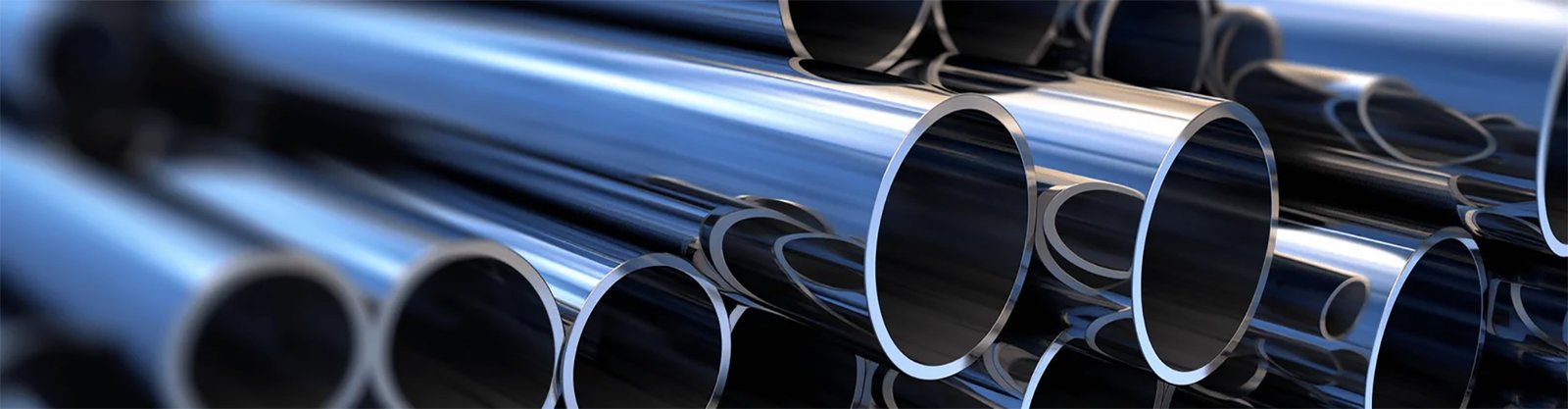
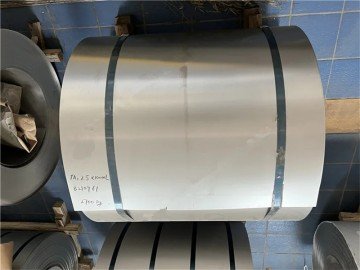
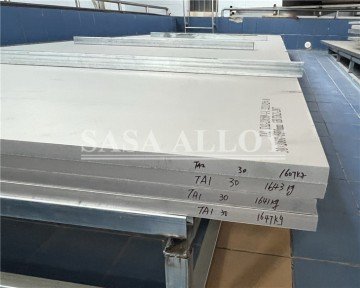
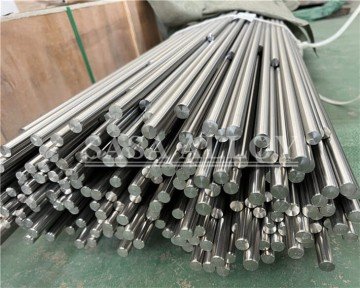
Customers purchasing Titanium Wire for Eyeglass Frames may also need related titanium products for precision manufacturing, medical components, eyewear parts and lightweight structural applications. SAKY ALLOY can support combined procurement for titanium wire, bar, sheet, tube and custom titanium materials.
| Related Product | Common Grades | Product Link |
|---|---|---|
| Titanium Wire | Grade 1, Grade 2, Grade 5, Grade 7, Grade 9 | View Titanium Wire |
| Titanium Round Bar | Grade 2, Grade 5, Grade 7, Grade 12, Ti-6Al-4V | View Titanium Bar |
| Titanium Sheet and Plate | Grade 1, Grade 2, Grade 5, Grade 7 | View Titanium Sheet and Plate |
| Titanium Tube | Grade 2, Grade 5, Grade 7, Grade 12 | View Titanium Tube |
| Titanium Fasteners | Grade 2, Grade 5, Grade 7 | View Titanium Fasteners |
Conclusion
Titanium Wire for Eyeglass Frames is a high-value material solution for premium eyewear manufacturers who need lightweight comfort, corrosion resistance, durability, skin-friendly performance and elegant design possibilities. Commercially pure titanium is suitable for comfortable and corrosion-resistant frame parts, while Grade 5 and beta titanium materials can support higher strength or flexible frame designs.
For successful procurement, buyers should confirm grade, standard, diameter, tolerance, wire condition, surface finish, mechanical properties, EN 10204 3.1 MTC, PMI testing, inspection requirements, packaging form and application scenario before ordering. SAKY ALLOY can help eyewear manufacturers select suitable titanium wire and related titanium materials for premium frame production.
Call To Action
Need Titanium Wire for Premium Eyeglass Frames?
Contact SAKY ALLOY for quotation, EN 10204 3.1 MTC, PMI testing, customized diameters, straight or coiled wire, polished surface, special condition, export packaging and delivery support.
Please send your required grade, standard, diameter, tolerance, condition, surface finish, quantity, frame application and destination port. Our technical and sales team will help confirm the suitable titanium wire solution and provide a competitive offer.