

Top 5 Tools for Machining Titanium Bars
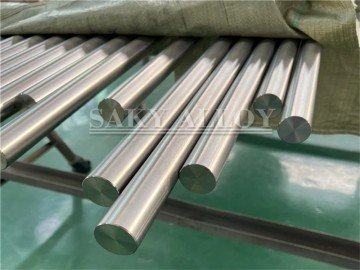
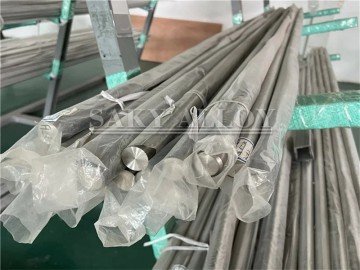
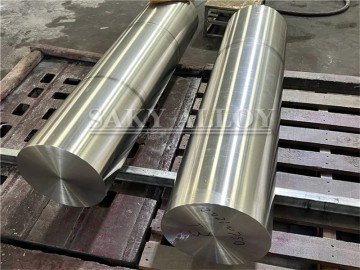
Titanium bars are widely used in industries that demand high strength, low weight, and excellent corrosion resistance. These include aerospace, medical, marine, and automotive sectors. However, titanium is also one of the most challenging metals to machine due to its unique properties.
To achieve precision results, it is essential to use the right tools that can handle titanium’s low thermal conductivity, high elasticity, and tendency to work-harden. In this article, we explore the Top 5 Tools for Machining Titanium Bars, including their benefits, recommended usage, and why they matter in high-performance applications.
Why Is Machining Titanium So Challenging?
Titanium’s unique mechanical and thermal characteristics present multiple difficulties for machinists:
-
Low thermal conductivity leads to heat buildup at the cutting edge
-
High chemical reactivity causes galling and tool wear
-
Work hardening creates resistance for subsequent cuts
-
Elasticity makes it prone to chatter and deflection
These properties mean that tool selection is critical to achieve efficient, high-quality machining. Partnering with a titanium supplier like sakyalloy ensures consistent bar stock that’s optimized for machining performance.
1. Solid Carbide End Mills
Overview:
Solid carbide end mills are the most widely used tools for titanium milling operations. Known for their hardness and heat resistance, they maintain sharp cutting edges under tough conditions.
Features:
-
High cutting speed capability
-
Excellent wear resistance
-
Coatings such as TiAlN or AlTiN for thermal protection
-
Available in 2-flute and 4-flute designs
Applications:
-
Slotting and side milling
-
Pocketing and contouring of titanium bars
-
Used in CNC machines for high precision
Best Practice Tip:
Use a lower chip load and high feed rate, and ensure good coolant application to manage heat.
sakyalloy recommends using solid carbide end mills for aerospace-grade titanium to reduce tool changes and ensure surface integrity.
2. Indexable Milling Tools
Overview:
Indexable tools use replaceable inserts, making them ideal for roughing operations and bulk material removal on titanium bars.
Features:
-
Cost-effective for large-volume operations
-
Rigid tool holders for high stability
-
Inserts with geometries designed for titanium alloys
Applications:
-
Face milling
-
Shoulder milling
-
Slotting larger diameter titanium bars
Best Practice Tip:
Choose inserts with positive rake angles and high edge toughness. Avoid interrupted cuts to reduce vibration and insert chipping.
3. High-Performance Drills with Coolant Through
Overview:
Drilling titanium requires specially designed drills that can handle high heat and avoid galling. High-performance solid carbide drills with coolant-through designs are the top choice.
Features:
-
Straight or helical flutes for chip evacuation
-
Internal coolant channels to reduce friction and thermal buildup
-
TiAlN coatings for wear resistance
Applications:
-
Precision hole-making in medical titanium bars
-
Bolt hole drilling in aerospace components
Best Practice Tip:
Use peck drilling cycles for deeper holes to prevent chip packing and ensure proper evacuation.
sakyalloy titanium bars are dimensionally accurate and surface treated to assist with smoother, easier drilling operations.
4. Ceramic Inserts for High-Speed Turning
Overview:
In high-speed lathe operations, ceramic inserts offer excellent heat resistance and longer tool life compared to carbide, especially during dry turning of titanium bars.
Features:
-
Operate effectively without coolant
-
High resistance to oxidation and thermal shock
-
Capable of running at higher speeds
Applications:
-
Roughing and finishing of round titanium bars
-
High-volume production environments
Best Practice Tip:
Use ceramic tools for consistent material removal on stable machines. Avoid unstable setups, which can cause chipping due to brittleness.
5. Polycrystalline Diamond (PCD) Tools
Overview:
PCD tools are used primarily for finishing operations on titanium composites and are gaining popularity due to their ultra-hardness and superior wear resistance.
Features:
-
Extreme hardness for long tool life
-
Exceptional surface finish capability
-
Effective for titanium matrix composites (TMCs)
Applications:
-
Precision finishing in aerospace components
-
Machining hybrid materials with titanium
Best Practice Tip:
Use PCD tools on machines with high spindle accuracy and low vibration to prevent premature tool wear.
Bonus: Tool Holders and Fixturing Systems
A great cutting tool is only as good as its setup. Proper tool holders and fixturing are essential for maximizing tool life and machining accuracy on titanium.
Recommendations:
-
Use hydraulic or shrink-fit tool holders for low runout
-
Minimize tool overhang to reduce deflection
-
Ensure rigid fixturing of titanium bars to prevent vibration
Tips for Maximizing Tool Performance
-
Coolant is essential: Use high-pressure, directed coolant to dissipate heat
-
Keep spindle speeds moderate: Avoid excessive RPMs that increase heat generation
-
Minimize tool engagement: Use climb milling and avoid full-width cuts
-
Use sharp tools: Dull tools increase heat and cause work hardening
-
Reduce tool changes: Optimize roughing and finishing operations in one setup
Why Quality Titanium Bars Matter
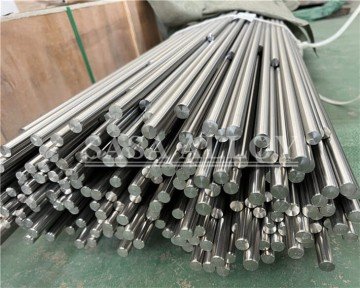
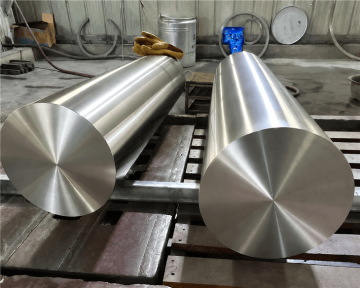
Even the best machining tools can underperform if the titanium bar has inconsistent composition or surface defects. That’s why sourcing titanium bars from sakyalloy gives you a competitive edge.
sakyalloy Titanium Bar Advantages:
-
Guaranteed ASTM B348 or AMS compliance
-
Tight tolerances and straightness for easy fixturing
-
Homogeneous structure for predictable tool wear
-
Mill certification and traceability included
When you combine quality titanium material from sakyalloy with the right machining tools, you can significantly increase productivity, reduce tool wear, and deliver better-finished components.
Conclusion
Machining titanium bars may be challenging, but with the right tools, it becomes a precise and efficient process. From solid carbide end mills to PCD finishing tools, each cutting solution has its role in optimizing titanium machining workflows.
By understanding the strengths of each tool and applying best practices in feed, speed, coolant, and fixturing, manufacturers can overcome titanium’s challenges and unlock its full potential.
For superior quality titanium bars engineered for performance and machinability, trust sakyalloy—your reliable partner in advanced titanium solutions.