
Understanding Titanium Pipe Wall Schedules & Tolerances
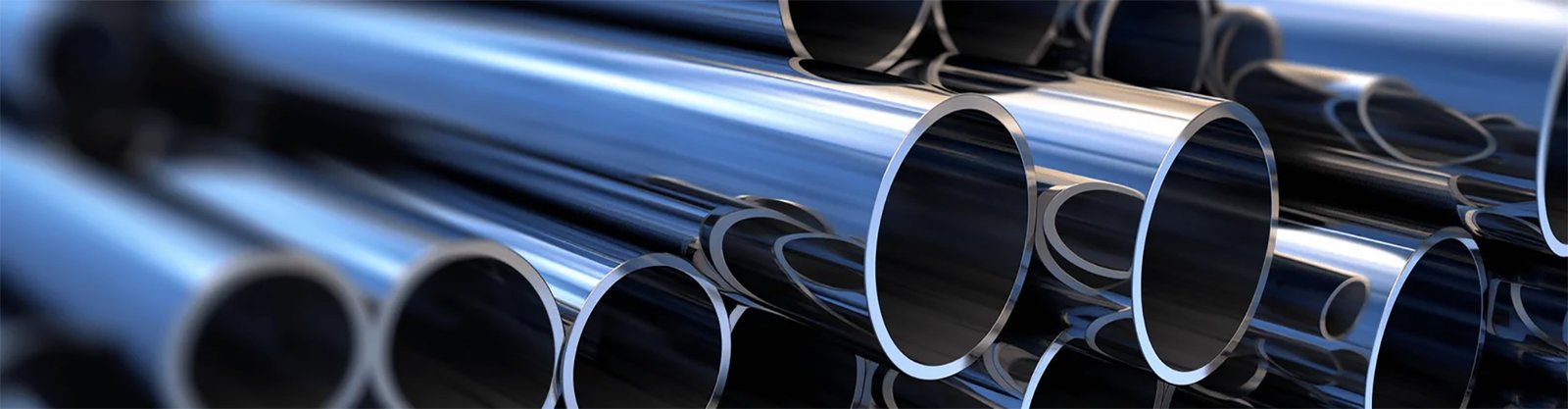
Titanium pipes are renowned for their exceptional strength-to-weight ratio, corrosion resistance, and longevity. These qualities make titanium pipes an ideal choice for industries such as aerospace, chemical processing, marine engineering, and power generation. However, understanding titanium pipe wall schedules and tolerances is crucial when specifying, manufacturing, or installing titanium piping systems. This article provides a comprehensive guide to help engineers, procurement professionals, and project managers grasp the essentials of wall schedules and tolerances for titanium pipes.
What is a Titanium Pipe Wall Schedule?
The term wall schedule refers to the thickness of a pipe’s wall, expressed as a standardized code that correlates to a nominal wall thickness at a specific pipe diameter. In titanium piping, just like in steel and other metal pipes, the wall schedule determines the mechanical strength, pressure rating, and overall durability of the pipe.
Common wall schedules applicable to titanium pipes include Schedule 10S, 40S, and 80S, among others. These designations indicate standardized thicknesses that align with the requirements of international standards like ASTM B861 (Seamless and Welded Titanium Pipe) and ASTM B862 (Welded Titanium Pipe).
Each wall schedule provides specific benefits:
-
Schedule 10S: Thin wall, lighter weight, suitable for low-pressure applications where corrosion resistance is the primary concern.
-
Schedule 40S: Standard wall thickness offering a balance between strength and weight.
-
Schedule 80S: Thick wall, used where higher pressure ratings or greater mechanical strength are required.
Understanding these schedules is vital in selecting the right titanium pipe for a given application. Choosing an incorrect schedule could lead to underperformance or safety risks in critical systems.
How Wall Schedules Affect Titanium Pipe Performance
Wall schedules directly impact a pipe’s pressure-handling capacity, structural integrity, and resistance to external forces. Thicker walls increase the allowable internal pressure and resistance to mechanical damage but also add weight and cost.
Titanium’s unique material properties make wall thickness even more critical. Titanium pipes are often selected for their corrosion resistance in aggressive environments, and the appropriate wall schedule ensures that the pipe not only withstands internal pressure but also provides long-term durability against chemical attack, erosion, and mechanical wear.
Consider the following performance aspects influenced by wall schedules:
-
Pressure rating: Higher schedules (thicker walls) support greater internal pressure, making them suitable for high-pressure systems.
-
Weight: Thicker pipes are heavier, affecting handling, installation, and support structures.
-
Cost: More material means higher raw material and fabrication costs.
-
Flow area: A thicker wall reduces the internal diameter, slightly reducing the flow capacity at a given nominal pipe size.
For titanium piping systems where weight savings are critical (such as aerospace or subsea applications), understanding and optimizing wall schedules is key to balancing performance with efficiency.
Understanding Tolerances in Titanium Pipe Manufacturing
Tolerances in titanium pipe production refer to the permissible variations in dimensions, including outer diameter (OD), wall thickness, length, and roundness. These tolerances are defined by industry standards such as ASTM B861 and ASTM B862 and ensure consistency, interchangeability, and performance in engineered systems.
Outer Diameter Tolerance
Titanium pipe outer diameter tolerance specifies how much the actual OD can deviate from the nominal OD stated in the specification. For example, a pipe nominally specified as 100 mm OD might have an allowable tolerance of ±0.5 mm, depending on the standard and manufacturing process.
Maintaining tight OD tolerances is critical for:
-
Ensuring proper fit with flanges, fittings, and couplings.
-
Guaranteeing uniform load distribution in mechanical systems.
-
Facilitating automated welding and joining processes.
Wall Thickness Tolerance
Wall thickness tolerance defines the acceptable variation in the wall’s actual thickness relative to the nominal wall thickness. In titanium pipe manufacturing, wall thickness tolerances are typically asymmetrical; for example, a standard might allow no more than +12.5% over the nominal thickness and no under-tolerance, or allow only minimal under-thickness to ensure strength integrity.
Why does this matter?
-
Under-thickness reduces pressure rating and may compromise safety.
-
Over-thickness increases weight unnecessarily and raises costs.
-
Consistent wall thickness ensures uniform stress distribution during operation.
Length and Straightness Tolerance
Titanium pipes are often supplied in standard or custom lengths. Length tolerance defines how closely the actual length matches the specified length. Straightness tolerance controls the degree of allowable bend or deviation over the pipe length. Excessive deviation can cause installation issues or increase stress at connection points.
Roundness (Ovality) Tolerance
Roundness, or ovality, refers to how closely the cross-section of the pipe approximates a true circle. Poor roundness can lead to:
-
Difficulties in joining or welding.
-
Uneven stress concentration during service.
-
Leaks at gasketed connections.
Manufacturers like sakyalloy ensure strict control of roundness within prescribed limits to support reliable field performance.
Factors Influencing Wall Schedules and Tolerances
Several factors impact the selection of titanium pipe wall schedules and tolerances:
-
Operating pressure and temperature: Higher pressures or elevated temperatures may require thicker walls.
-
Corrosive environment: More aggressive media might necessitate thicker walls for corrosion allowance.
-
Mechanical loads: External forces, such as vibration or impact, could influence wall thickness selection.
-
Fabrication and welding requirements: Certain wall thicknesses are easier to fabricate and weld without introducing defects.
-
Industry standards and customer specifications: Many projects, especially in aerospace or petrochemical sectors, mandate specific wall schedules and tight tolerances.
Understanding how these factors interplay helps engineers and buyers make informed choices when specifying titanium piping components.
Challenges in Meeting Tight Tolerances
Producing titanium pipes that consistently meet tight tolerances is not easy. Titanium is a reactive metal with high affinity for oxygen and nitrogen at elevated temperatures, requiring specialized handling during melting, forming, and finishing. Advanced manufacturing technologies and quality control processes are essential.
Reputable manufacturers like sakyalloy invest heavily in precision equipment, strict process controls, and thorough inspection regimes to meet or exceed international standards. This commitment ensures that customers receive titanium pipes with reliable dimensions, mechanical properties, and performance characteristics.
Why Understanding Wall Schedules and Tolerances Matters to You
Selecting titanium pipe wall schedules and tolerances is not just a technical exercise — it has real-world consequences:
-
Safety: The correct wall schedule ensures the pipe can handle design pressures without failure.
-
Cost efficiency: Optimizing wall thickness prevents unnecessary material usage, reducing project costs.
-
Installation ease: Pipes manufactured within tolerance are easier to fit, weld, and assemble, saving time on site.
-
Regulatory compliance: Many industries require documentation proving that pipes meet specified tolerances and schedules.
By understanding these critical parameters, buyers and engineers can specify titanium pipes that deliver optimal value, performance, and safety.
Conclusion
Titanium pipe wall schedules and tolerances play a vital role in the performance, safety, and cost-effectiveness of industrial piping systems. Whether you are sourcing titanium pipes for a high-pressure chemical plant or a lightweight marine structure, understanding these concepts enables smarter purchasing decisions and better project outcomes.
Choosing a trusted supplier like sakyalloy, who is dedicated to meeting stringent wall schedule and tolerance requirements, ensures that your titanium piping systems perform reliably in the most demanding environments. For your next titanium piping project, let sakyalloy be your partner in delivering precision, performance, and peace of mind.