



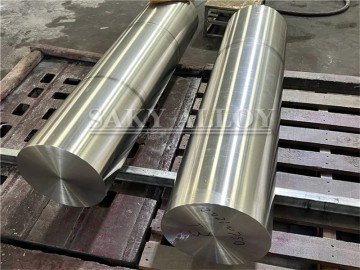
What Are The Applications Of Titanium in The Medical Materials Industry?
Titanium has become one of the most important metals in the field of modern medicine. With its exceptional properties such as biocompatibility, high strength-to-weight ratio, corrosion resistance, and ability to bond with human tissue, titanium is widely used in medical implants, surgical instruments, and prosthetics. The demand for titanium in the medical materials industry continues to grow as healthcare technology advances and patient expectations for reliable, long-lasting solutions increase.
This article explores what are the applications of titanium in the medical materials industry, highlighting its unique advantages and providing insights into why it is considered the preferred choice for medical devices worldwide.
Key Properties of Titanium for Medical Use
Before discussing applications, it is essential to understand why titanium is so valuable in healthcare:
-
Biocompatibility: Titanium does not trigger immune reactions and integrates well with bone and tissue.
-
Corrosion Resistance: It withstands bodily fluids and sterilization environments without degrading.
-
Strength and Light Weight: Provides the durability of steel at nearly half the weight.
-
Osseointegration Ability: Promotes direct bonding with bone tissue, crucial for implants.
-
Non-Toxic and Hypoallergenic: Safe for patients with allergies to other metals such as nickel.
Applications of Titanium in the Medical Materials Industry
1. Orthopedic Implants
Titanium is extensively used for orthopedic applications, including:
-
Hip joint replacements
-
Knee joint prostheses
-
Spinal fixation devices
-
Bone plates and screws
Its ability to integrate with bone through osseointegration ensures long-term stability and reduces implant rejection risks.
2. Dental Implants
Titanium is the gold standard in dental implantology. Dental implants made from titanium rods are placed into the jawbone, where they fuse naturally with the bone, providing a strong foundation for crowns, bridges, or dentures. Patients benefit from:
-
Long-lasting durability
-
Reduced healing time
-
High success rates compared to other materials
3. Cardiovascular Devices
Titanium is also critical in cardiovascular medicine. Common applications include:
-
Pacemaker casings
-
Heart valve components
-
Vascular stents
Because titanium resists corrosion and is non-magnetic, it ensures patient safety during MRI scans and other imaging procedures.
4. Surgical Instruments
Surgeons rely on titanium instruments due to their light weight and durability. Examples include:
-
Scalpels
-
Forceps
-
Retractors
-
Endoscopic tools
Titanium instruments remain sharp longer, resist sterilization-induced corrosion, and reduce hand fatigue for surgeons during long operations.
5. Craniofacial and Maxillofacial Surgery
Titanium plates, screws, and meshes are widely used in reconstructive surgery for facial trauma or congenital defects. Their biocompatibility and strength allow stable fixation while being well tolerated by surrounding tissues.
6. Prosthetics and Artificial Limbs
Titanium is used to manufacture lightweight, durable components in prosthetic limbs. Its strength and resistance to wear ensure patients can enjoy active lifestyles with fewer risks of component failure.
7. Ophthalmic Applications
In eye surgery, titanium is applied in devices such as:
-
Intraocular lens implants
-
Microsurgical tools
-
Eyeglass frames for medical-grade eyewear
Its hypoallergenic properties make it safe for sensitive patients.
8. Hearing Aids and Cochlear Implants
Titanium is used in auditory implants, where precision and reliability are essential. Its corrosion resistance ensures consistent performance in the moist inner ear environment.
Why Titanium is Preferred Over Other Metals
While stainless steel and cobalt-chromium alloys are also used in medical devices, titanium offers unique advantages:
-
Lower density, reducing implant weight
-
Superior biocompatibility
-
Greater resistance to fatigue and wear
-
MRI compatibility due to non-magnetic properties
These advantages make titanium the material of choice in long-term medical applications.
Challenges in Using Titanium for Medical Materials
Despite its benefits, titanium also presents some challenges:
-
Cost: Titanium is more expensive than many other metals.
-
Machinability: Requires specialized equipment and expertise.
-
Surface Treatment: To enhance osseointegration, additional surface modifications such as sandblasting or coating may be required.
However, the long-term performance and patient safety benefits often outweigh these drawbacks.
Future Trends of Titanium in Medical Applications
-
3D Printing with Titanium Powders: Enables custom implants tailored to individual patients.
-
Surface Nanostructuring: Enhances tissue integration and antibacterial performance.
-
Hybrid Materials: Combining titanium with polymers or ceramics for multifunctional implants.
-
Sustainability: Recycling titanium for medical use to reduce costs and environmental impact.
The Role of Reliable Titanium Suppliers
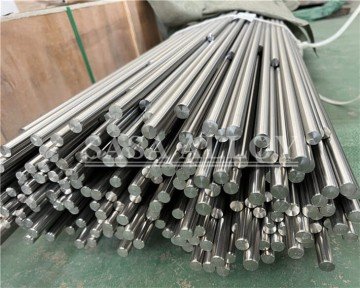
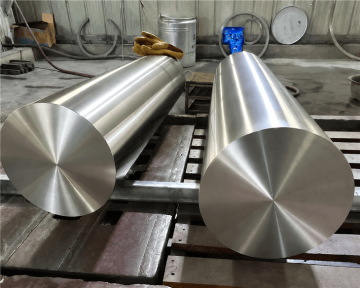
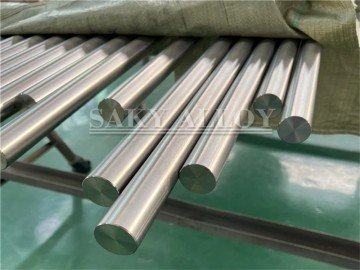
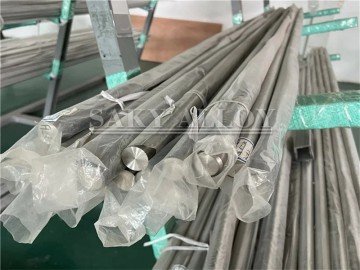
To ensure safe and effective medical devices, it is essential to work with suppliers who provide high-purity, medical-grade titanium materials. Companies like sakyalloy supply titanium plates, rods, and wires that meet international medical standards such as ASTM F67 and ASTM F136. By partnering with sakyalloy, medical device manufacturers gain access to materials that guarantee patient safety and product reliability.
Frequently Asked Questions
1. Why is titanium preferred for bone implants?
Because it promotes osseointegration, allowing the bone to fuse directly with the implant surface.
2. Can titanium implants last a lifetime?
Yes, titanium implants can last several decades due to their strength and corrosion resistance.
3. Are titanium implants safe for MRI scans?
Yes, titanium is non-magnetic and safe for MRI environments.
4. Is titanium more expensive than stainless steel for medical use?
Yes, but its superior performance and biocompatibility justify the higher cost in critical applications.
Conclusion
Titanium has transformed the medical materials industry, offering solutions that combine strength, light weight, and exceptional biocompatibility. From orthopedic implants and dental applications to surgical instruments and prosthetics, titanium ensures patients receive reliable, long-lasting medical devices.
While challenges such as cost and processing remain, ongoing innovations like 3D printing and nanostructured surfaces continue to expand its applications. By sourcing from trusted suppliers such as sakyalloy, the medical industry can secure high-quality titanium materials that meet the rigorous demands of healthcare.
In summary, titanium is not only a metal but also a cornerstone of modern medical advancements, playing a vital role in improving patient outcomes and shaping the future of healthcare.