
What Are the Different Grades of Titanium for Machining?
Introduction
The most commonly machined titanium grades include commercially pure titanium Grade 1, Grade 2, Grade 3, Grade 4 and titanium alloys such as Grade 5 (Ti-6Al-4V), Grade 9 and Grade 12. The best titanium grade for machining depends on the required combination of strength, corrosion resistance, thermal performance, dimensional accuracy and manufacturing requirements.
Titanium is widely used in aerospace, medical, marine, chemical processing and high-performance industrial applications because of its high strength-to-weight ratio, excellent corrosion resistance and biocompatibility. However, titanium machining requires proper grade selection because different titanium alloys have different hardness, strength and cutting characteristics.
Understanding the differences between titanium grades helps manufacturers select materials that provide better machining performance, tool life and final component reliability.
- Grade 2 titanium: Most commonly machined commercially pure titanium with good balance of strength and machinability.
- Grade 5 titanium (Ti-6Al-4V): The most widely used titanium alloy for high-strength machined components.
- Grade 9 titanium: Provides good strength, corrosion resistance and cold formability.
- Grade 12 titanium: Selected for improved corrosion resistance in industrial environments.
- Grade 1 titanium: Excellent ductility and corrosion resistance for precision applications.
Why Titanium Machining Requires Grade Selection
Titanium has unique physical properties that make it valuable but challenging to machine. Compared with many common metals, titanium has lower thermal conductivity, causing heat to concentrate near the cutting edge during machining.
Different titanium grades contain different amounts of alloying elements such as aluminum, vanadium, palladium and molybdenum. These elements influence hardness, strength, corrosion resistance and machining behavior.
| Machining Factor | Effect on Titanium Machining |
|---|---|
| Low Thermal Conductivity | Heat remains near cutting tools and increases tool wear. |
| High Strength-to-Weight Ratio | Requires proper cutting parameters and tooling. |
| Chemical Reactivity | Titanium may react with cutting tools at high temperatures. |
| Elastic Modulus | Can cause vibration during machining operations. |
Titanium Grades Comparison for Machining
| Titanium Grade | Type | Machining Characteristics | Typical Applications |
|---|---|---|---|
| Grade 1 | Commercially Pure Titanium | Excellent ductility and relatively easy machining | Chemical equipment, medical parts |
| Grade 2 | Commercially Pure Titanium | Good balance of strength and machinability | Aerospace, marine, industrial components |
| Grade 5 | Ti-6Al-4V Alloy | Higher strength but more demanding machining | Aerospace structures, medical implants |
| Grade 9 | Ti-3Al-2.5V Alloy | Good strength and formability | Tubing and lightweight structures |
Grade 12 Titanium Machining Characteristics
Grade 12 titanium is a corrosion-resistant titanium alloy containing molybdenum and nickel additions. It provides improved strength and corrosion resistance compared with commercially pure titanium grades while maintaining good fabrication performance.
| Grade | Machining Performance | Applications |
|---|---|---|
| Grade 12 Titanium | Moderate machining difficulty with improved corrosion resistance | Chemical equipment, heat exchangers, industrial piping |
Beta Titanium Alloys for Machining
Beta titanium alloys contain elements that stabilize the beta phase, providing high strength and excellent heat treatment capability. These alloys are used in advanced applications requiring high mechanical performance.
Compared with commercially pure titanium and alpha-beta alloys such as Grade 5, beta titanium alloys may require more advanced machining techniques because of their higher strength.
| Titanium Type | Machining Consideration | Typical Use |
|---|---|---|
| Beta Titanium Alloy | Requires optimized cutting parameters due to high strength | Aerospace and high-performance components |
Titanium Machining Challenges
Although titanium offers excellent performance advantages, machining titanium requires careful control of cutting conditions to achieve good surface quality and tool life.
| Challenge | Reason | Solution |
|---|---|---|
| Heat Concentration | Titanium has low thermal conductivity | Use proper cutting speed and cooling methods |
| Tool Wear | Titanium can cause high friction at cutting edges | Use suitable cutting tools and machining parameters |
| Vibration | Titanium’s low elastic modulus can cause deflection | Improve fixture stability and machining setup |
| Surface Damage | Improper machining may affect surface quality | Optimize finishing operations |
Tips for CNC Machining Titanium
- Use sharp cutting tools designed for titanium machining.
- Maintain stable cutting conditions to reduce vibration.
- Avoid excessive cutting temperatures.
- Use appropriate coolant and lubrication methods.
- Choose titanium grades according to final application requirements rather than only strength.
- Confirm material condition and mechanical properties before machining.
How to Select the Best Titanium Grade for Machining
| Requirement | Recommended Titanium Selection |
|---|---|
| Easy Machining and Forming | Commercially pure titanium such as Grade 1 or Grade 2 |
| High Strength Components | Grade 5 Ti-6Al-4V |
| Lightweight Tubing | Grade 9 titanium |
| Corrosive Industrial Environment | Grade 12 titanium or corrosion-resistant titanium alloys |
Common Buyer Mistakes When Purchasing Titanium for Machining
- Choosing titanium grade only based on price without considering machining requirements.
- Selecting high-strength titanium when a more machinable grade would be sufficient.
- Ignoring material condition and heat treatment state.
- Not confirming chemical composition and mechanical test reports.
- Failing to provide machining application details to the supplier.
Frequently Asked Questions About Titanium Machining Grades
What is the easiest titanium grade to machine?
Commercially pure titanium grades such as Grade 1 and Grade 2 are generally easier to machine than high-strength titanium alloys because they have lower strength and hardness.
Is Grade 5 titanium difficult to machine?
Grade 5 titanium (Ti-6Al-4V) is widely machined in industry, but its higher strength and lower thermal conductivity require optimized machining methods.
Which titanium grade is used most in aerospace machining?
Grade 5 titanium (Ti-6Al-4V) is one of the most commonly used titanium alloys in aerospace applications because of its excellent strength-to-weight ratio.
Can titanium be CNC machined?
Yes. Titanium can be CNC machined successfully with suitable tooling, cutting parameters and cooling methods.
Titanium Machining Materials from SAKY ALLOY
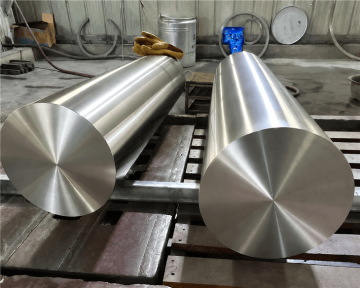
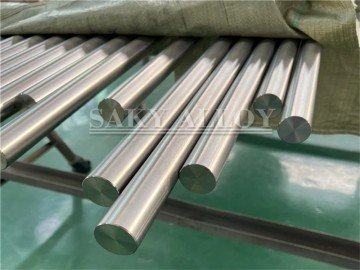
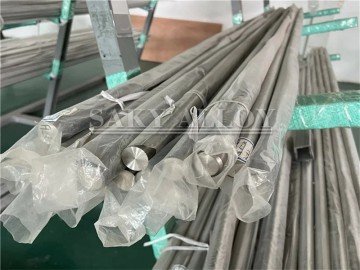
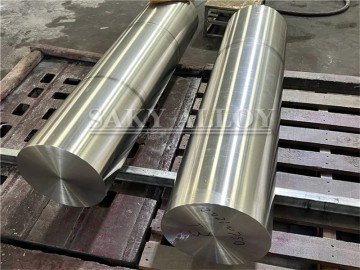
SAKY ALLOY supplies titanium materials including bars, plates, tubes, wires and customized titanium components for aerospace, medical, chemical and industrial applications.
Our titanium products are available in different grades including commercially pure titanium and titanium alloys according to customer requirements.
We support customers with grade selection, dimensional customization, material certification and technical assistance for machining applications.
For titanium machining projects, please provide the required grade, product dimensions, quantity and application information.
Conclusion
Different titanium grades provide different advantages for machining applications. Commercially pure titanium grades offer good machinability and corrosion resistance, while alloy grades such as Grade 5 provide higher strength for demanding applications.
Selecting the correct titanium grade requires balancing machining performance, mechanical properties, corrosion resistance and final application requirements. SAKY ALLOY provides reliable titanium materials and technical support for global customers requiring high-performance titanium solutions.