
What Color Is Titanium
Titanium is one of the most remarkable metals used in modern industry, valued for its strength, lightness, and corrosion resistance. However, aside from its impressive performance properties, many people are curious about its appearance and color. At first glance, titanium has a subtle but distinctive look that sets it apart from other metals like aluminum, stainless steel, or silver.
This article explores the natural color of titanium, the variations it can display through surface treatments, and why its color plays a role in both functional and aesthetic applications.
1. The Natural Color of Titanium
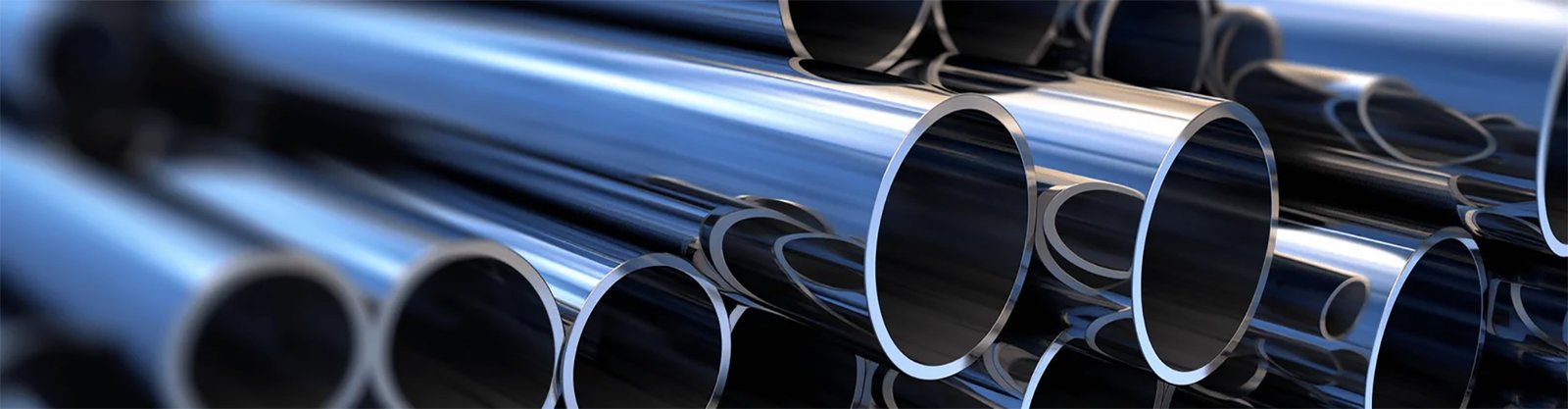
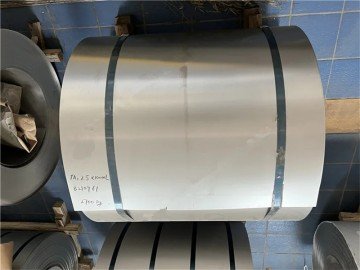
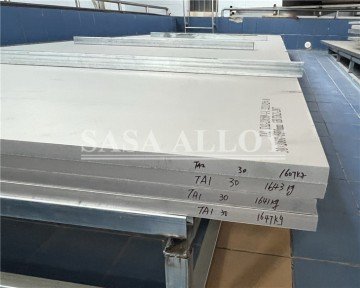
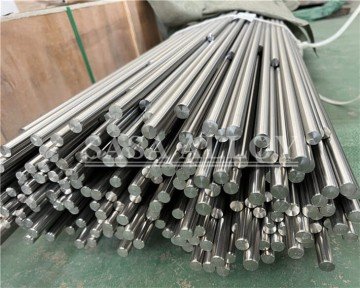
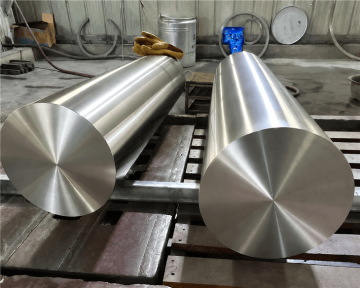
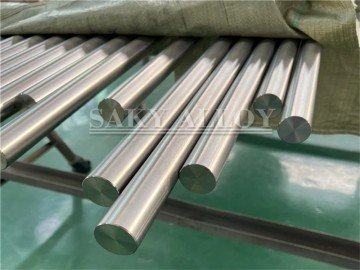
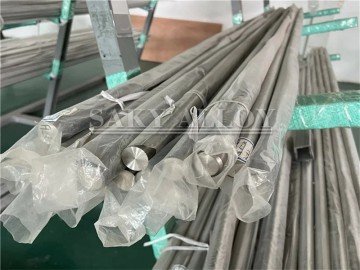
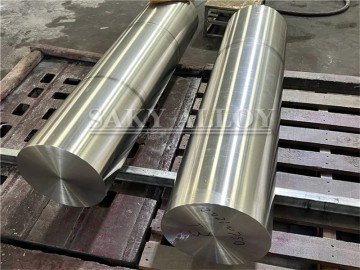
In its pure, untreated form, titanium has a silvery-gray metallic color. It is less bright than polished stainless steel but has a slightly darker and more subdued tone compared to aluminum. The surface may appear matte or slightly reflective depending on its finish, such as brushed, polished, or sandblasted.
The natural color is influenced by:
-
Purity Level: Commercially pure titanium can be slightly lighter in tone than titanium alloys.
-
Surface Finish: A polished titanium surface appears brighter, while a rough finish gives it a muted, gray appearance.
-
Oxide Layer: Even in its natural state, titanium quickly forms a thin oxide layer that slightly affects its tone.
2. Why Titanium Looks Different from Other Metals
Although titanium belongs to the same group of metals as zirconium and hafnium, its atomic structure and surface chemistry give it a unique visual appearance. Unlike stainless steel, which can have a more silver or mirror-like finish, titanium retains a softer metallic sheen.
Another difference is that titanium’s color does not easily change with tarnish or corrosion, unlike copper or brass, which develop patinas over time. This consistent appearance is one reason titanium is preferred for aerospace, marine, and luxury goods applications.
3. Titanium and Its Oxide Layer
One of titanium’s most interesting features is its natural oxide layer, which forms almost instantly when the metal is exposed to oxygen. This layer is transparent but can alter how light interacts with the surface, subtly influencing its color.
In most cases, the oxide layer is so thin that the titanium still appears gray-silver. However, when thickened intentionally through anodizing, the oxide layer can refract light and produce a range of brilliant colors.
4. Anodized Titanium Colors
Anodizing is an electrochemical process that changes the thickness of titanium’s oxide layer, resulting in interference colors without using dyes or coatings. The process works similarly to how light interacts with soap bubbles or oil films.
Possible anodized titanium colors include:
-
Light gold
-
Blue
-
Purple
-
Green
-
Bronze
-
Rainbow blends
The specific color depends on the oxide layer’s thickness, which is precisely controlled during anodizing. This ability to produce vivid, durable colors without paint makes anodized titanium popular for jewelry, bicycle parts, and decorative hardware.
5. Factors Affecting Titanium’s Color
Several factors influence how titanium appears to the eye:
-
Alloy Composition: Alloying elements such as aluminum or vanadium in grades like Ti-6Al-4V can slightly alter the tone.
-
Surface Finish: Polishing, brushing, or bead-blasting can make titanium appear brighter, smoother, or more matte.
-
Lighting Conditions: Titanium’s color can appear warmer or cooler depending on whether it’s viewed under natural daylight or artificial light.
-
Oxidation Treatments: Controlled oxidation (such as anodizing) changes the interference pattern and thus the visible color.
6. Titanium in Jewelry and Watches
In the jewelry industry, titanium’s color is valued for its understated elegance. Its natural gray-silver tone is often chosen for wedding bands, watch cases, and designer accessories because it pairs well with gemstones and other metals.
Additionally, anodized titanium jewelry allows for bold color options without compromising durability or hypoallergenic properties. This combination of aesthetics and performance is why many luxury watch brands use titanium for both functional and visual appeal.
7. Titanium in Industrial Applications
While color is often less important than performance in industrial applications, titanium’s natural tone still matters in some sectors. In aerospace, for example, titanium components maintain their visual integrity over years of service without developing corrosion stains. In architecture, titanium cladding and roofing maintain a sleek appearance in all weather conditions.
Companies like sakyalloy supply titanium products that meet both mechanical and aesthetic requirements, ensuring that customers get the expected performance along with a consistent appearance.
8. Comparing Titanium’s Color to Other Metals
When comparing metals side by side:
-
Titanium vs. Stainless Steel: Titanium is usually darker and less reflective.
-
Titanium vs. Aluminum: Titanium is darker and denser, with a more muted luster.
-
Titanium vs. Silver: Silver is much brighter and shinier, while titanium retains a matte elegance.
This visual distinction helps titanium stand out in both industrial and decorative uses.
9. Surface Treatments for Titanium Color Enhancement
Beyond anodizing, several processes can alter or enhance titanium’s color:
-
Polishing: Produces a brighter, more reflective surface.
-
Bead Blasting: Creates a matte, non-reflective gray finish.
-
Heat Coloring: Controlled heating forms oxide layers that produce gold, purple, or blue tones.
-
PVD Coating: Adds decorative finishes such as black, rose gold, or custom shades while increasing surface hardness.
These techniques allow titanium to be tailored for specific visual effects while retaining its functional benefits.
10. Does Titanium Change Color Over Time?
In normal conditions, titanium maintains its color for decades. The natural oxide layer protects the underlying metal from corrosion and discoloration. However, anodized colors may gradually fade if subjected to abrasive wear or harsh chemicals, though the base titanium remains unaffected.
This durability is one reason titanium is used in marine hardware, medical implants, and high-end consumer products.
11. Color in Relation to Titanium Grades
Different titanium grades may have slight variations in appearance:
-
Grade 1–4 (Commercially Pure Titanium): Lighter gray tone.
-
Grade 5 (Ti-6Al-4V): Slightly darker due to alloying elements.
-
Beta Alloys: May appear darker or have a subtle blue-gray tint.
While the differences are minimal, they can be noticeable in precision manufacturing or when matching components.
12. The Role of Color in Consumer Perception
In addition to technical performance, titanium’s unique color contributes to its image as a premium material. Consumers often associate its gray-silver tone with modern design, advanced engineering, and exclusivity. This perception helps titanium products command higher market value in sectors ranging from electronics to sports equipment.
13. Conclusion
Titanium’s natural color is a refined silvery-gray, distinct from the brighter appearance of stainless steel or aluminum. While its untreated tone is subtle and elegant, titanium’s color versatility increases with anodizing and other surface treatments, allowing it to display a vibrant range of hues without compromising durability.
Whether in aerospace, jewelry, or architectural design, titanium’s appearance remains as valuable as its mechanical properties. Manufacturers like sakyalloy continue to provide high-quality titanium products that meet strict performance standards while delivering a consistent and attractive finish for any application.