
What Is Density of Titanium
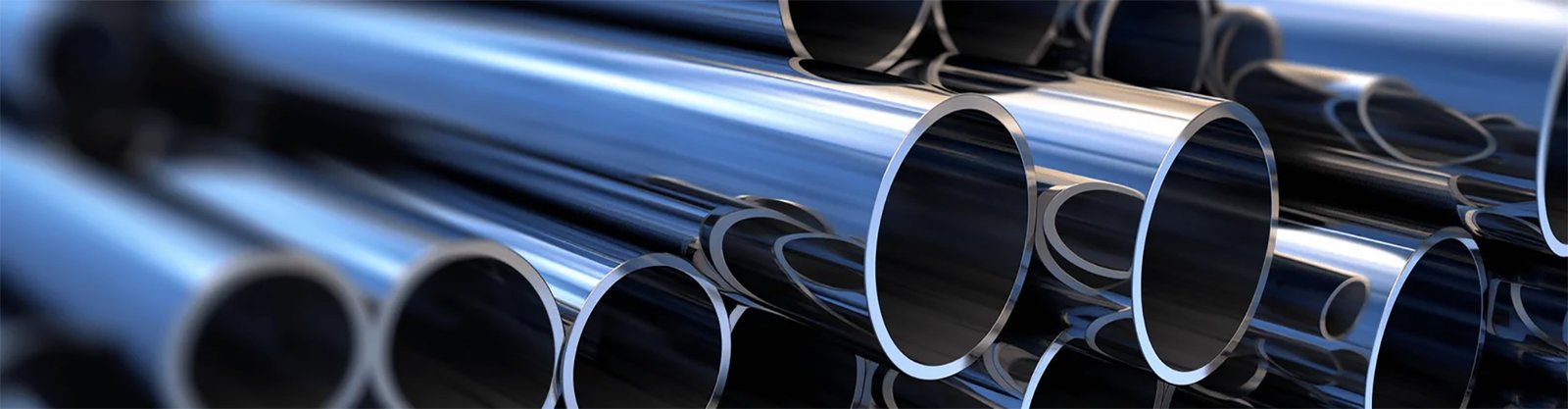
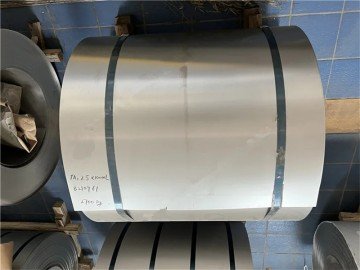
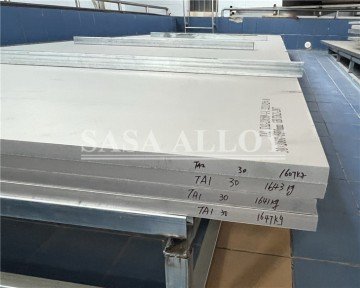
Titanium is a metal that has captured the attention of engineers, scientists, and manufacturers worldwide due to its unique combination of strength, lightness, and corrosion resistance. One of its most important physical properties is its density. The density of a material plays a crucial role in determining its suitability for specific applications, especially where weight and strength are critical factors. In this article, we will explain what the density of titanium is, how it compares to other metals, and why this property makes titanium so valuable in various industries.
Understanding Density
Density is defined as the mass of a substance per unit volume, typically expressed in grams per cubic centimeter (g/cm³) or kilograms per cubic meter (kg/m³). The formula for density is:
Density = Mass ÷ Volume
A higher density means the material is heavier for a given size, while a lower density means it is lighter. For metals, density often determines whether they are suitable for applications requiring lightweight strength or heavy structural stability.
The Density of Titanium
The density of pure titanium is approximately:
-
4.51 g/cm³ (grams per cubic centimeter)
-
4510 kg/m³ (kilograms per cubic meter)
This means titanium is about 56% denser than aluminum but nearly 45% lighter than steel. This property is one of the reasons titanium is highly valued for aerospace, automotive, and marine applications, where weight reduction is essential without sacrificing strength.
Comparing Titanium’s Density to Other Metals
| Metal | Density (g/cm³) | Relative to Titanium |
|---|---|---|
| Aluminum | 2.70 | Lighter |
| Magnesium | 1.74 | Much lighter |
| Titanium | 4.51 | — |
| Stainless Steel | 7.90 | Heavier |
| Copper | 8.96 | Heavier |
| Tungsten | 19.25 | Much heavier |
Although alloying changes density slightly, the difference is usually minimal, and titanium alloys remain much lighter than steel.
Titanium’s Density in Extreme Conditions
Titanium’s density remains stable over a wide range of temperatures. While the metal expands slightly when heated, its density change is minimal compared to many other materials. This stability is important for:
-
Aerospace components exposed to temperature fluctuations
-
Marine parts operating in cold deep-sea environments
-
Industrial machinery subject to high heat
Calculating Weight from Density
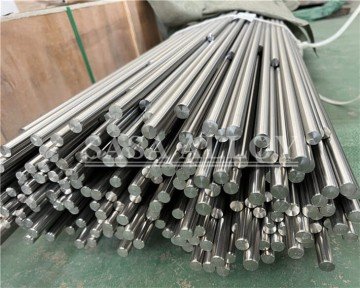
The density of titanium can be used to calculate the weight of a component before manufacturing. For example, to find the weight of a titanium rod:
-
Find the Volume:
Volume = π × radius² × length -
Multiply by Density:
Weight = Volume × Density
This calculation helps engineers plan material usage and shipping costs, and it is an essential part of design optimization.
Benefits of Titanium’s Density in Key Industries
Aerospace
-
Reduces aircraft weight
-
Improves fuel economy
-
Maintains high structural strength
Marine
-
Provides lightweight yet durable components
-
Increases vessel speed and efficiency
-
Resists saltwater corrosion
Medical
-
Lightweight for patient comfort
-
Long-lasting implants
-
Biocompatible for human tissue
Automotive and Motorsports
-
Improves acceleration and handling
-
Reduces fuel consumption
-
Enhances performance reliability
Environmental Advantages
Because titanium is relatively light compared to its strength, using it in transportation reduces fuel consumption, lowering greenhouse gas emissions over the life of the product. In addition, titanium is fully recyclable without losing its properties, making it a sustainable choice.
Sourcing High-Quality Titanium
For manufacturers who require precision, consistency, and reliability, working with a trusted supplier is essential. Companies such as sakyalloy provide titanium materials that meet international standards, ensuring the correct density, purity, and mechanical properties for demanding applications. Choosing high-quality titanium from sakyalloy ensures optimal performance and longevity in any industry.
Conclusion
The density of titanium — 4.51 g/cm³ — is a key factor in its widespread use. It strikes a perfect balance between being light enough for weight-sensitive applications and strong enough to handle extreme stresses. This property, combined with its corrosion resistance and biocompatibility, makes titanium one of the most valuable engineering materials in the world.
Whether in aerospace, marine, medical, or automotive industries, understanding titanium’s density helps engineers and designers create innovative solutions that deliver both performance and efficiency.