
What Is Grade 1 Titanium?
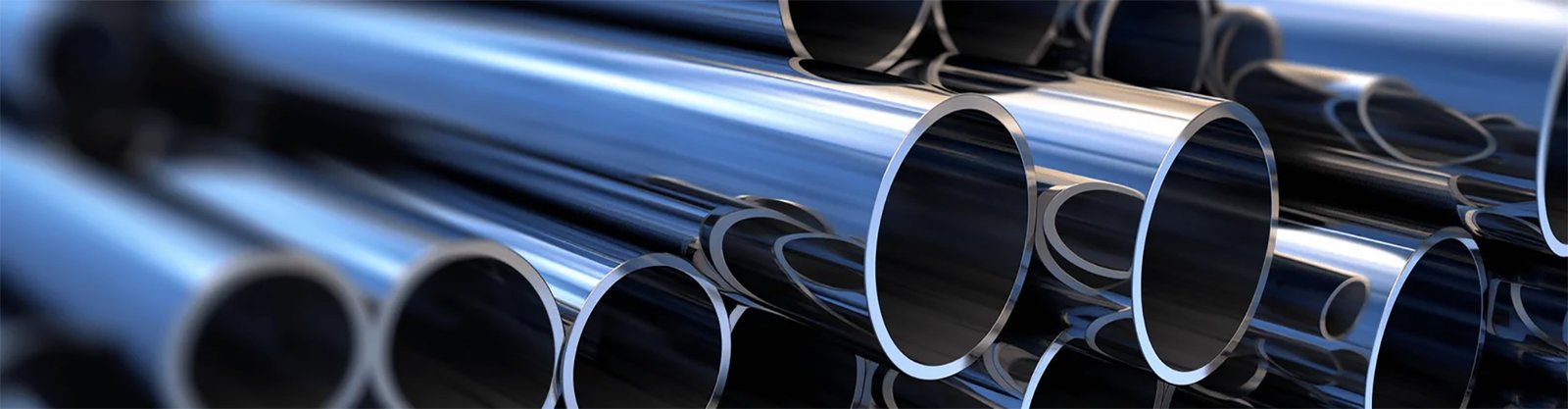
Titanium is one of the most important engineering materials in modern industries. Known for its lightweight structure, high strength-to-weight ratio, corrosion resistance, and biocompatibility, titanium is widely used in aerospace, chemical processing, marine, medical, and automotive applications.
Among the different commercially pure (CP) titanium grades, Grade 1 Titanium is the softest and most ductile. It offers excellent corrosion resistance and formability, making it the first choice in applications where ease of fabrication, welding, and corrosion resistance are more critical than strength.
This article explores what Grade 1 Titanium is, its composition, properties, applications, advantages, and how it compares with other titanium grades.
What Is Grade 1 Titanium?
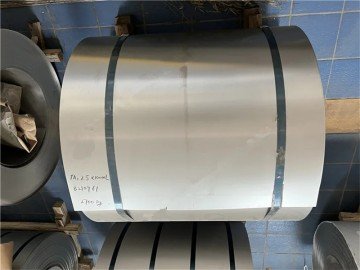
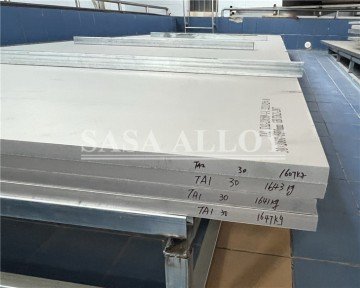
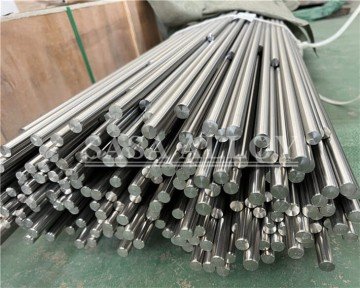
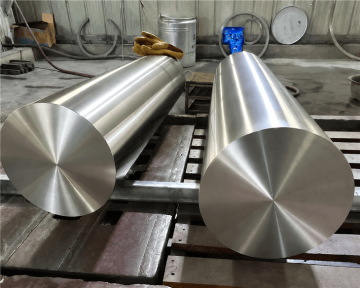
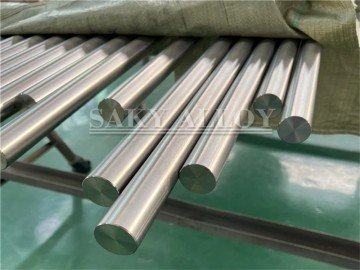
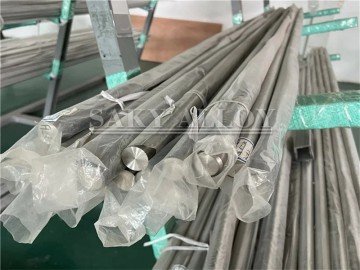
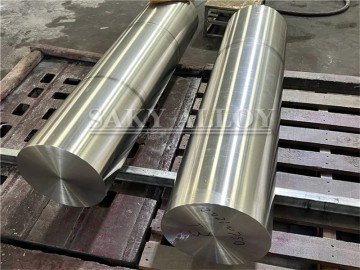
Grade 1 Titanium is the most ductile and softest grade of commercially pure titanium. It contains a minimum of 99.5% pure titanium with very low levels of oxygen, iron, and other elements.
Key Characteristics:
-
Excellent corrosion resistance in oxidizing and reducing environments
-
Outstanding ductility and formability
-
Good impact toughness even at low temperatures
-
Easily weldable and machinable
-
Moderate strength compared to higher titanium grades
Chemical Composition of Grade 1 Titanium
| Element | Content (%) |
|---|---|
| Titanium (Ti) | Balance |
| Oxygen (O) | ≤ 0.18 |
| Carbon (C) | ≤ 0.08 |
| Nitrogen (N) | ≤ 0.03 |
| Hydrogen (H) | ≤ 0.015 |
| Iron (Fe) | ≤ 0.20 |
This very low impurity content gives Grade 1 Titanium its superior ductility and corrosion resistance.
Mechanical Properties of Grade 1 Titanium
| Property | Value |
|---|---|
| Tensile Strength | ~240 MPa |
| Yield Strength | ~170 MPa |
| Elongation | ~24% |
| Hardness (HB) | ~70 |
| Density | 4.51 g/cm³ |
Compared to other metals, Grade 1 Titanium is lighter than steel but stronger than aluminum, while providing unmatched corrosion resistance.
Advantages of Grade 1 Titanium
-
Exceptional Corrosion Resistance
-
Performs excellently in seawater, chlorides, and oxidizing chemicals.
-
Widely used in marine and chemical industries.
-
-
Excellent Formability
-
Can be easily shaped, bent, and fabricated.
-
Ideal for complex designs requiring ductile material.
-
-
High Biocompatibility
-
Non-toxic and non-allergenic.
-
Used in medical implants and surgical devices.
-
-
Lightweight
-
45% lighter than steel, reducing weight in aerospace and automotive applications.
-
-
Weldability
-
Can be welded using TIG, MIG, and electron beam welding.
-
Applications of Grade 1 Titanium
1. Chemical Processing
-
Heat exchangers, tanks, piping, and reactors
-
Resistant to chlorine dioxide, hypochlorites, and oxidizing acids
2. Marine and Offshore
-
Desalination plants, seawater pipelines, offshore structures
-
Outstanding resistance to seawater corrosion
3. Aerospace and Defense
-
Lightweight structures, ducting systems, fuel tanks
-
Ideal where corrosion resistance is critical
4. Medical and Healthcare
-
Implants, surgical tools, prosthetics
-
Biocompatibility makes it safe for long-term use in the human body
5. Automotive and Motorsport
-
Lightweight exhaust systems, suspension parts
-
Used in high-performance and luxury vehicles
6. Architecture and Construction
-
Decorative panels, cladding, roofing
-
Combines strength with aesthetic appeal
Grade 1 Titanium vs. Other Titanium Grades
| Grade | Strength | Ductility | Corrosion Resistance | Common Use |
|---|---|---|---|---|
| Grade 1 | Low | Highest | Excellent | Chemical, marine, medical |
| Grade 2 | Medium | High | Excellent | General-purpose, aerospace |
| Grade 3 | High | Moderate | Good | Aerospace, automotive |
| Grade 4 | Highest (CP) | Lower | Good | High-strength applications |
| Grade 5 (Ti-6Al-4V) | Very High | Moderate | Excellent | Aerospace, implants |
Analysis:
-
Grade 1 offers the best ductility and corrosion resistance among CP titanium grades.
-
Grade 5 (Ti-6Al-4V) is much stronger but less ductile.
-
Selection depends on whether the project prioritizes strength or corrosion resistance.
Fabrication and Processing
Grade 1 Titanium is relatively easy to fabricate compared to higher grades.
-
Machining: Requires sharp tools and low cutting speeds due to low thermal conductivity.
-
Forming: Can be cold-formed without cracking.
-
Welding: TIG and MIG welding with inert gas shielding are preferred.
-
Surface Treatment: Often passivated to enhance corrosion resistance.
Sustainability and Recycling
Titanium, including Grade 1, is fully recyclable. Its long service life, corrosion resistance, and ability to be reused contribute to lower lifecycle costs and reduced environmental impact.
Conclusion
Grade 1 Titanium is the softest and most ductile of all commercially pure titanium grades, offering unmatched corrosion resistance, formability, and biocompatibility. While it has lower strength compared to Grades 2–5, it is indispensable in industries such as chemical processing, marine engineering, medical implants, and aerospace where corrosion resistance and formability are critical.
For industries seeking reliable titanium solutions, sakyalloy provides high-quality Grade 1 Titanium products with global supply capabilities. With strict quality control and customer-focused service, sakyalloy ensures that clients receive durable, efficient, and cost-effective titanium materials. Whether for chemical plants, marine projects, or medical devices, sakyalloy remains a trusted partner in delivering premium titanium alloys.
By understanding what Grade 1 Titanium is and how it compares to other grades, engineers and procurement specialists can make informed decisions for their specific applications.