
What Is Grade 2 Titanium?
The Go-To Commercially Pure Titanium for Industrial and Medical Use
Titanium is a metal renowned for its strength, corrosion resistance, and lightweight properties. Among its many grades, Grade 2 titanium stands out as one of the most widely used forms, especially in industries where formability, corrosion resistance, and moderate strength are essential.
But what is Grade 2 titanium, exactly? How is it different from other titanium grades? And where is it used in modern applications?
In this article, we will explore everything you need to know about Grade 2 titanium—from its composition and characteristics to its most common applications. Whether you are a material engineer, procurement specialist, or simply interested in advanced metals, this guide will give you a complete understanding of why Grade 2 titanium is such a popular and versatile material.
Understanding Grade 2 Titanium: Commercially Pure Excellence
Grade 2 titanium is classified as a commercially pure (CP) titanium, meaning it contains at least 99% titanium with trace amounts of elements like oxygen, iron, carbon, and nitrogen. These minor elements are carefully controlled to preserve the metal’s purity while enhancing its mechanical performance.
Grade 2 is considered a middle-grade CP titanium, offering a balance between strength and ductility. It is stronger than Grade 1, yet more formable than higher grades like Grade 3 and Grade 4. This balance makes it one of the most commonly used types of titanium worldwide.
Unlike titanium alloys such as Grade 5 (Ti-6Al-4V), Grade 2 titanium does not contain aluminum or vanadium. Its purity makes it ideal for applications requiring excellent corrosion resistance and biocompatibility.
Key Characteristics of Grade 2 Titanium
Grade 2 titanium is chosen not just for being pure, but because of its unique combination of physical and mechanical properties. These characteristics make it a flexible solution across many industries.
First and foremost, Grade 2 titanium offers excellent corrosion resistance, especially in oxidizing and mildly reducing environments. It performs well in saltwater, chlorides, and a wide range of acids. That’s why it is often found in marine, chemical, and desalination equipment.
Second, it is known for moderate strength combined with high ductility. This means it can be bent, drawn, or shaped into various forms without cracking, making it suitable for complex fabrications like tubes, tanks, and heat exchangers.
Third, it has low density compared to steel or copper, which gives it a significant advantage in weight-sensitive applications. It is also non-magnetic, non-toxic, and resistant to high temperatures, expanding its use to medical and aerospace fields.
Grade 2 Titanium in Real-World Applications
Because of its outstanding balance of strength, corrosion resistance, and formability, Grade 2 titanium is used across many different industries. Below are some of the most common areas where it plays a key role.
Aerospace Components
In aerospace engineering, weight reduction is essential. Grade 2 titanium is used in aircraft frames, fuel tanks, and ductwork where high strength is not the primary requirement but corrosion resistance and weight savings are vital.
Its ability to withstand atmospheric corrosion and high altitudes makes it a dependable material for non-critical structural parts and internal components.
Chemical Processing Equipment
Grade 2 titanium’s resistance to corrosive chemicals makes it a top choice for tanks, pipes, heat exchangers, and valves in the chemical and petrochemical industries. It can withstand sulfuric acid, nitric acid, and chlorine gas far better than stainless steel.
Because it does not corrode easily, maintenance costs are lower, and equipment lasts longer—especially in continuous flow or batch-processing environments.
Medical and Dental Applications
Due to its biocompatibility, Grade 2 titanium is also used in medical implants and instruments. It’s hypoallergenic, non-toxic, and has the ability to integrate with human tissue, making it suitable for bone plates, dental fixtures, and surgical tools.
While Grade 5 is typically used for load-bearing implants like hips and knees, Grade 2 is ideal for smaller, non-load applications where flexibility and corrosion resistance are key.
Marine and Offshore Industry
Titanium’s resistance to saltwater corrosion makes Grade 2 an ideal choice for offshore oil and gas platforms, desalination plants, and ship components. Its long-term durability in seawater eliminates many of the problems associated with traditional materials like stainless steel and bronze.
Power Generation and Heat Exchange
Grade 2 titanium is also widely used in nuclear and thermal power plants. Its ability to withstand high temperatures and aggressive cooling environments makes it perfect for condenser tubing, steam generators, and exhaust systems.
In energy applications, the reliability and longevity of titanium components help reduce shutdowns and improve plant efficiency.
Forming and Fabrication of Grade 2 Titanium
One of the biggest advantages of Grade 2 titanium is its excellent formability. It can be cold-worked, rolled, drawn, or spun into intricate shapes with relative ease compared to titanium alloys. This makes it a popular material for custom-fabricated parts and thin-walled structures.
Welding is also straightforward with Grade 2, especially using techniques like TIG (Tungsten Inert Gas) and plasma arc welding. Its low thermal conductivity means it holds heat well, which aids in precision welding, but it also means careful control of temperature is needed to avoid oxidation.
To ensure best results, titanium must be welded in inert gas environments to prevent contamination, especially in critical applications such as pressure vessels or medical devices.
Surface Finishing and Appearance
Grade 2 titanium has a naturally attractive silver-grey finish, which can be polished, sandblasted, or anodized for enhanced aesthetics and functionality. Anodizing allows the surface to take on various colors without using dyes, which is useful in medical labeling, jewelry, or design applications.
Because titanium naturally forms a protective oxide layer, it does not require painting or plating to resist corrosion. This oxide layer is what gives titanium its self-healing quality in oxygen-rich environments.
Why Choose Grade 2 Titanium from SAKYALLOY?
At sakyalloy, we specialize in supplying high-quality Grade 2 titanium products to clients in aerospace, chemical, medical, and marine industries. We offer:
-
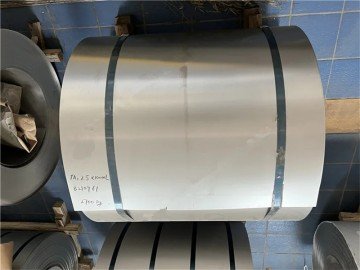
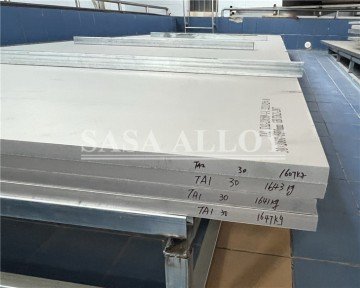
Titanium sheets and plates
-
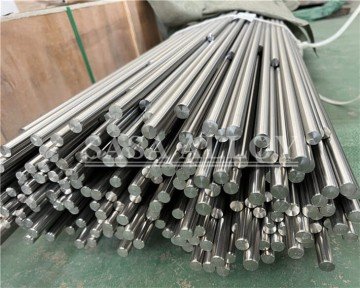
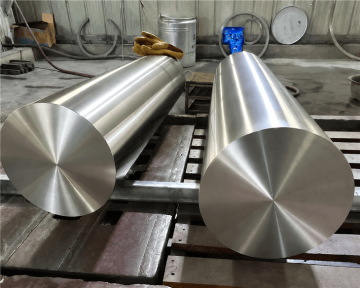
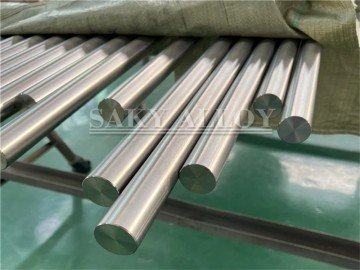
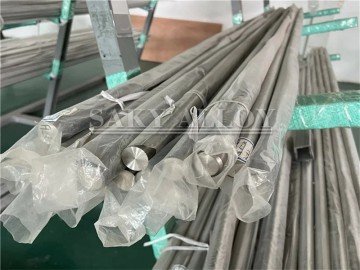
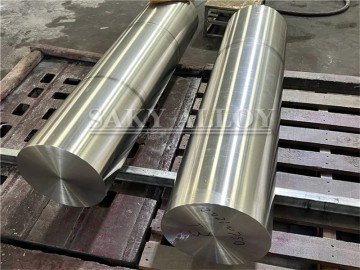
Titanium bars and rods
-
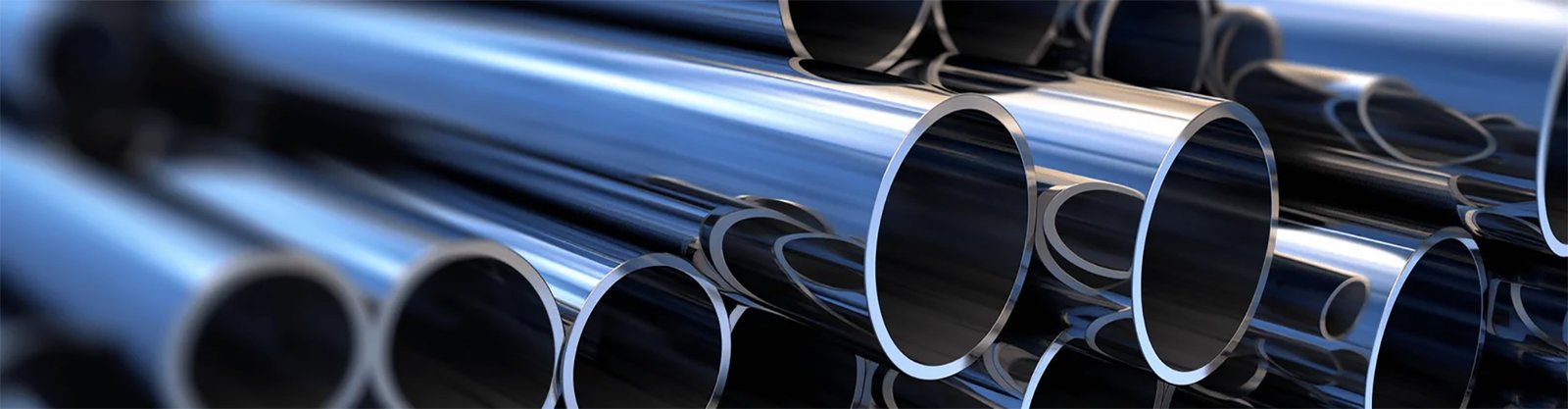
Titanium tubes and pipes
-
Custom machined parts and forgings
All of our titanium materials are manufactured to meet global standards such as ASTM B265, ASTM B348, and ASTM B338, ensuring performance, consistency, and traceability for critical applications.
With advanced production capabilities and years of export experience, sakyalloy provides not just materials—but also technical support, fast delivery, and custom processing services.
Final Thoughts: The Power of Simplicity
So, what is Grade 2 titanium? It is the versatile, corrosion-resistant, and formable metal that bridges the gap between strength and workability. Whether you need a material that can resist the ocean, support chemical reactions, or rest safely inside the human body, Grade 2 titanium delivers the performance you can count on.
Its combination of purity, strength, and adaptability has made it a cornerstone in modern engineering and manufacturing. And as industries continue to demand materials that are both high-performing and sustainable, the role of Grade 2 titanium will only grow.
If you’re seeking a reliable supplier for Grade 2 titanium materials, visit www.sakysteel.com or contact our team at sales@sakysteel.com. Let us help you turn great material into greater performance.