
What is the manufacturing process of Titanium Gr.3 Wire?
The manufacturing process of Titanium Gr.3 wire typically involves the following steps:
1. Raw Material Selection: High-quality titanium sponge or titanium scrap with the appropriate chemical composition is selected as the starting material for manufacturing Titanium Gr.3 wire.
2. Melting: The selected titanium material is melted in a vacuum arc furnace or an induction furnace. The furnace maintains a controlled atmosphere to prevent contamination during the melting process.
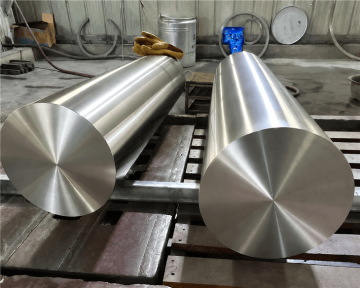
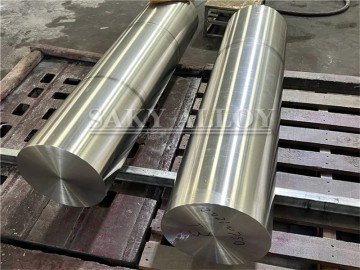
3. Casting: Once the titanium is melted, it is cast into an ingot or a billet. The ingot or billet is then subjected to hot working processes such as forging or extrusion to reduce its size and shape it into a suitable form for wire production.
4. Hot Rolling: The preformed titanium billet is subjected to hot rolling to further reduce its size. This process involves passing the billet through a series of rolling mills to gradually decrease its thickness while increasing its length.
5. Annealing: After hot rolling, the titanium wire is annealed to relieve internal stresses and improve its ductility. Annealing is typically performed in a controlled atmosphere furnace at a specific temperature for a specified duration.
6. Cold Drawing: The annealed titanium wire is then subjected to cold drawing, where it is pulled through a series of dies with decreasing diameters. This process further reduces the wire’s diameter while increasing its length and improving its mechanical properties.
7. Surface Treatment: The drawn titanium wire may undergo surface treatments such as pickling or passivation to remove any surface impurities or contaminants and enhance its corrosion resistance.
8. Inspection and Testing: The manufactured Titanium Gr.3 wire undergoes rigorous quality control measures, including dimensional checks, visual inspection, and various tests such as tensile strength, elongation, chemical composition, and surface quality analysis.
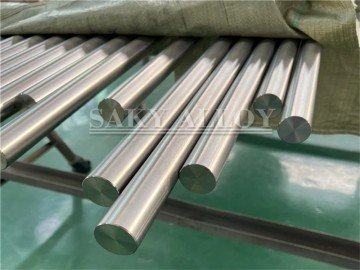
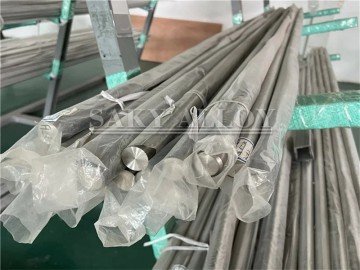
9. Packaging and Storage: The final step involves packaging the Titanium Gr.3 wire in suitable containers or spools to protect it from damage during transportation and storage. Proper labeling is done to indicate the wire’s specifications and traceability information.