
What Is the Melting Temperature of Titanium Pipe
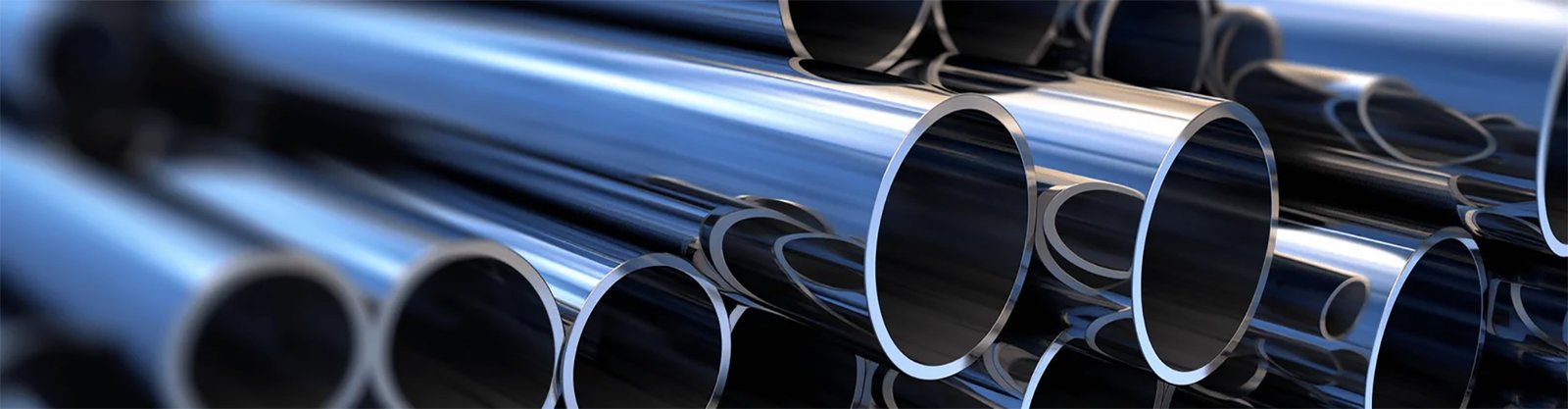
Titanium is a metal that has earned its place in critical industries due to its exceptional strength-to-weight ratio, corrosion resistance, and ability to withstand extreme environments. Titanium pipe is widely used in aerospace, marine, chemical processing, medical, and energy sectors. When selecting materials for high-temperature or high-stress applications, understanding the thermal properties of titanium, especially its melting temperature, is essential.
In this article, we explore what the melting temperature of titanium pipe is, how it compares to other materials, and why this property matters in industrial applications. We also highlight how trusted suppliers like sakyalloy provide titanium pipe solutions that are engineered for performance in extreme environments.
What Is the Melting Temperature of Titanium
Pure titanium has a melting temperature of approximately 1668 degrees Celsius, which is about 3034 degrees Fahrenheit. This high melting point is one of the reasons titanium is selected for applications where heat resistance is a critical requirement.
Titanium alloys, which are commonly used in piping systems for additional strength or corrosion resistance, have slightly different melting points depending on their composition. For example
Grade 2 titanium pipe made of commercially pure titanium retains a melting temperature very close to 1668 degrees Celsius
Grade 5 titanium alloy known as Ti6Al4V melts in the range of 1604 to 1660 degrees Celsius
This variation is small but important for precision engineering and applications that involve exposure to high heat.
How Titanium’s Melting Temperature Compares to Other Materials
Understanding titanium’s thermal characteristics is clearer when compared with other common piping materials
Stainless steel melts at around 1375 to 1530 degrees Celsius
Aluminum melts at about 660 degrees Celsius
Copper melts at about 1085 degrees Celsius
Nickel alloys melt at approximately 1350 to 1455 degrees Celsius
Titanium’s melting temperature is significantly higher than most metals used in piping. This makes titanium pipe highly suitable for high-temperature environments where other materials might fail or deform.
Why Melting Temperature Matters for Titanium Pipe
The melting temperature is not only a measure of when a material transitions from solid to liquid. It also gives insight into the material’s thermal stability and suitability for various applications
A high melting temperature means titanium pipe retains its mechanical strength at elevated operating temperatures
It provides a safety margin for systems exposed to unexpected heat spikes such as in fire situations or thermal excursions
It ensures structural integrity in high-temperature process environments such as chemical reactors, power plants, and aerospace systems
In practical applications, titanium pipe is rarely subjected to temperatures near its melting point. However, its high melting temperature provides engineers with confidence when designing for thermal endurance.
Applications That Benefit from Titanium’s High Melting Point
Titanium pipe is chosen for use in industries where temperature and corrosion resistance must go hand in hand. Examples include
Heat exchangers in power generation where steam and hot fluids are present
Chemical processing systems that involve hot acids or aggressive fluids
Offshore and marine environments where temperature fluctuations and saltwater exposure occur simultaneously
Aerospace hydraulic and fuel lines where heat and vibration are constant challenges
In all these cases, the high melting temperature of titanium supports long-term performance and safety.
Factors Beyond Melting Temperature That Influence Titanium Pipe Selection
While the melting temperature of titanium is impressive, other thermal and mechanical properties must also be considered when designing piping systems
Creep resistance how well titanium maintains its shape under prolonged heat and stress
Thermal expansion titanium has low thermal expansion compared to many metals, reducing stress at joints and connections
Thermal conductivity titanium has lower thermal conductivity, which affects heat transfer calculations
Fatigue resistance titanium resists cracking and failure under repeated thermal cycles
When selecting titanium pipe, working with experts like sakyalloy ensures these properties are matched to the demands of your system.
Welding and Fabrication Considerations Related to Melting Temperature
The high melting point of titanium means that specialized equipment and techniques are required for fabrication
Titanium pipe must be welded with precise heat control to avoid contamination and embrittlement
Shielding with inert gas such as argon is necessary to protect the weld area from oxygen and nitrogen in the air
Heat input must be carefully managed to prevent distortion while achieving full weld penetration
sakyalloy provides titanium pipe and fittings that are not only certified for quality but also supported by technical guidance on proper fabrication methods.
Titanium Pipe Performance in Fire and Emergency Conditions
Because of its high melting temperature, titanium pipe can provide advantages in fire safety scenarios
Titanium maintains structural stability longer than many metals when exposed to high heat
It does not easily melt or deform under conditions that would compromise other piping materials
Its resistance to scaling and oxidation helps preserve flow paths during emergency conditions
These properties make titanium pipe a preferred choice in mission-critical systems where safety is non-negotiable.
How sakyalloy Supports High-Temperature Piping Applications
sakyalloy supplies titanium pipe solutions designed for industries where thermal performance matters. Customers benefit from
A range of titanium grades including commercially pure and alloyed pipes with full certification
Custom sizes and wall thicknesses for temperature-critical designs
Expert support for material selection based on temperature and corrosion considerations
Reliable delivery of products that meet ASTM, ASME, and other international standards
With sakyalloy, customers can be confident that their titanium piping systems are engineered for strength, thermal endurance, and long-term value.
Conclusion
So, what is the melting temperature of titanium pipe Titanium pipe made from commercially pure titanium melts at approximately 1668 degrees Celsius, while titanium alloys like Grade 5 melt slightly lower depending on composition. This high melting point gives titanium pipe a distinct advantage in applications where heat resistance is vital.
Whether in chemical processing, power generation, aerospace, or marine environments, titanium’s ability to maintain its integrity at elevated temperatures makes it a top choice for engineers and designers. By sourcing titanium pipe from experienced suppliers like sakyalloy, industries can ensure their systems meet demanding thermal and structural requirements.