
What Is Titanium Made Out Of?
Titanium is one of the most fascinating metals used in modern industries. Known for its exceptional strength-to-weight ratio, excellent corrosion resistance, and wide range of applications, titanium plays a crucial role in aerospace, medical, automotive, and chemical processing sectors. But many people still ask: what is titanium made out of?
To answer this question properly, we need to understand where titanium comes from, how it is refined, and what alloys are created from it.
The Origin of Titanium
Titanium is not a synthetic material; it is a naturally occurring element found in the Earth’s crust. Its chemical symbol is Ti, and it has an atomic number of 22. Titanium ranks as the ninth most abundant element in the crust, making up about 0.6% by weight. Despite its abundance, titanium does not occur in pure form. Instead, it exists in mineral ores, primarily:
-
Ilmenite (FeTiO₃)
-
Rutile (TiO₂)
-
Titanite (CaTiSiO₅)
These minerals are the starting point for producing pure titanium metal.
What Is Titanium Made Out Of in Its Pure Form?
Pure titanium is made out of titanium atoms arranged in a crystalline structure. At room temperature, it exists in the hexagonal close-packed (HCP) structure, known as the alpha phase. When heated above 882°C, it transforms into a body-centered cubic (BCC) structure, called the beta phase.
This dual-phase nature gives titanium versatility in alloy development. By adding small amounts of other elements, engineers can stabilize either the alpha or beta phase, creating titanium alloys with different properties.
Titanium Extraction and Refining
Producing titanium metal is a complex and energy-intensive process. The primary method is the Kroll Process, which involves several steps:
-
Ore Concentration – Rutile or ilmenite is refined to increase TiO₂ content.
-
Chlorination – The concentrated ore reacts with chlorine and carbon to form titanium tetrachloride (TiCl₄).
-
Purification – TiCl₄ is distilled to remove impurities.
-
Reduction – Magnesium or sodium reduces TiCl₄ to produce sponge titanium.
-
Melting and Alloying – Sponge titanium is melted, refined, and alloyed for industrial use.
The result is either pure titanium or titanium alloys tailored for specific applications.
What Are Titanium Alloys Made Out Of?
While pure titanium is useful, most industrial applications rely on titanium alloys. These alloys are made out of titanium mixed with elements like aluminum, vanadium, molybdenum, or iron to enhance strength, corrosion resistance, and machinability.
Common Titanium Alloys Include:
-
Ti-6Al-4V (Grade 5): 90% titanium, 6% aluminum, 4% vanadium. The most widely used alloy in aerospace and medical implants.
-
Ti-6Al-2Sn-4Zr-2Mo: High-temperature alloy used in jet engines.
-
Commercially Pure (CP) Titanium Grades 1–4: Nearly pure titanium with slight variations in oxygen and iron content.
-
Beta Alloys: Alloyed with molybdenum, vanadium, or chromium for improved hardenability and toughness.
These alloys represent how titanium is engineered for specific industries.
Mechanical Properties of Titanium
Understanding what titanium is made out of also means recognizing how its composition influences performance:
-
Tensile Strength: 434–1380 MPa depending on alloy.
-
Density: ~4.5 g/cm³ (45% lighter than steel).
-
Corrosion Resistance: Outstanding in seawater, acids, and chlorides.
-
Melting Point: 1668°C, making it suitable for high-temperature applications.
-
Biocompatibility: Non-toxic and accepted by the human body.
These properties explain why titanium is one of the most valuable metals today.
Applications of Titanium
Since we know what titanium is made out of, it’s easier to understand why it’s used in so many fields:
-
Aerospace: Aircraft fuselages, jet engines, spacecraft due to high strength-to-weight ratio.
-
Medical: Dental implants, prosthetics, surgical instruments because of biocompatibility.
-
Marine: Submarine hulls, offshore drilling equipment due to corrosion resistance.
-
Automotive: High-performance car components such as valves and exhaust systems.
-
Industrial: Heat exchangers, chemical reactors, and desalination plants.
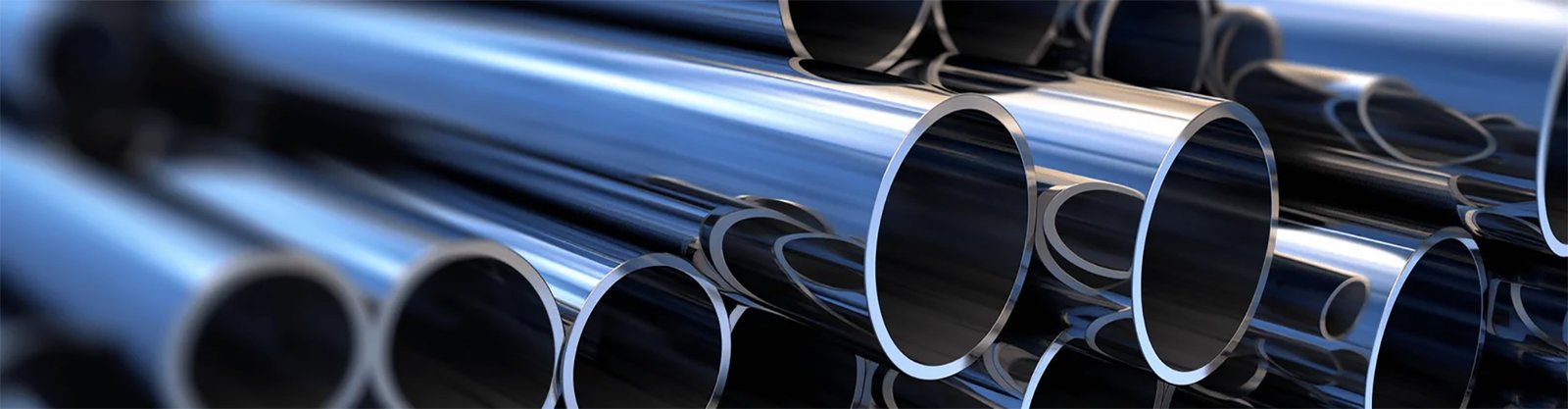
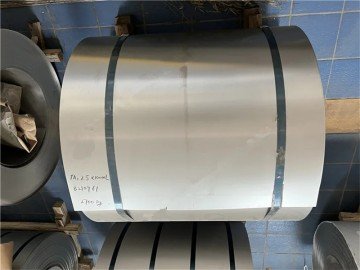
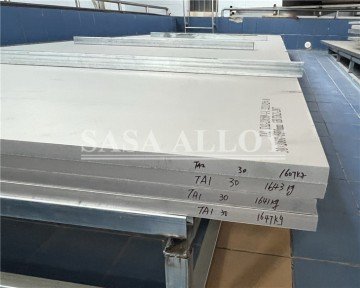
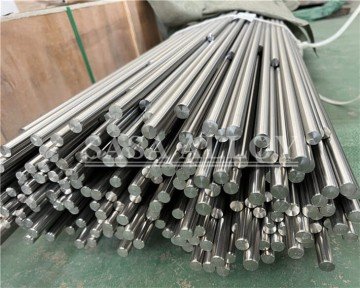
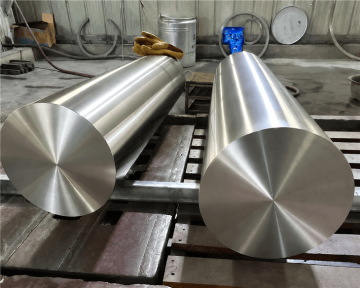
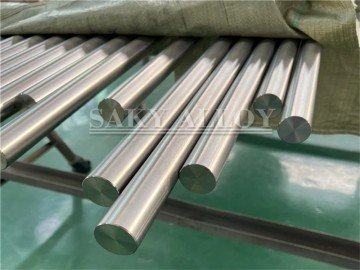
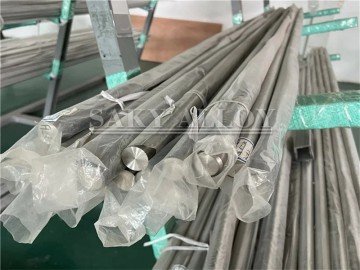
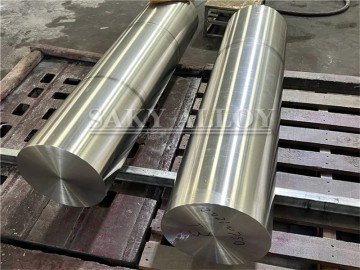
Suppliers like sakyalloy provide titanium bars, plates, and tubes that meet international standards, ensuring reliable performance across these demanding applications.
Titanium vs. Other Metals
When comparing titanium with metals like steel and aluminum, titanium stands out:
-
Versus Steel: Nearly as strong as high-strength steels but only 56% of the weight.
-
Versus Aluminum: Heavier than aluminum but much stronger and more corrosion-resistant.
-
Versus Nickel Alloys: Lighter and often more cost-effective in aerospace use, but nickel alloys outperform titanium in certain high-heat environments.
This balance of properties makes titanium irreplaceable in critical industries.
Environmental and Sustainability Aspects
Titanium is also gaining attention for its sustainability profile. Although its extraction is energy-intensive, its long service life and recyclability make it environmentally friendly in the long run. Recycled titanium scrap can be re-melted and reused, reducing dependency on raw ore extraction.
Conclusion
So, what is titanium made out of? In essence, titanium is a naturally occurring element refined from ores like rutile and ilmenite. In its pure form, it consists only of titanium atoms, but in practical use, it is often alloyed with aluminum, vanadium, molybdenum, and other elements to create high-performance titanium alloys.
This unique composition makes titanium one of the most versatile and valuable engineering materials available today. Whether in aerospace, marine, automotive, or medical industries, titanium’s strength, corrosion resistance, and lightweight nature make it indispensable.
By sourcing materials from trusted suppliers like sakyalloy, industries worldwide gain access to high-quality titanium products designed for performance, safety, and durability.