
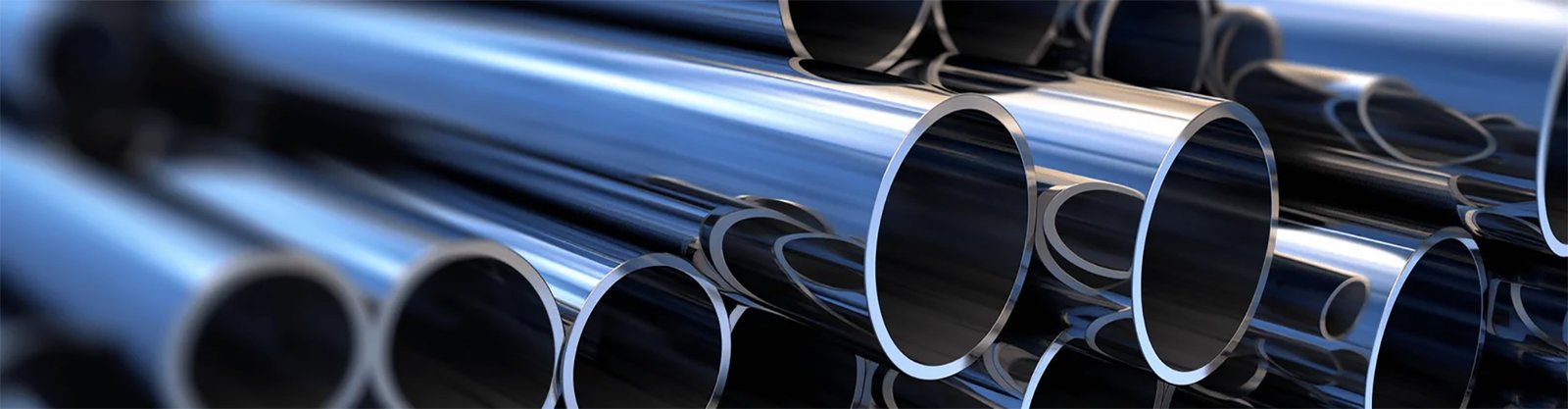
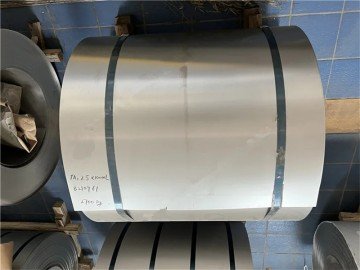
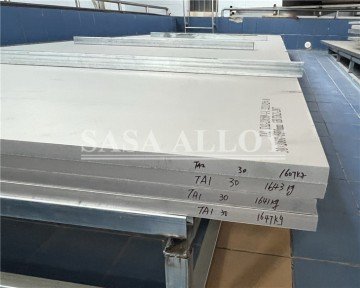
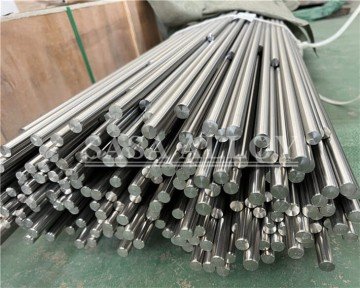
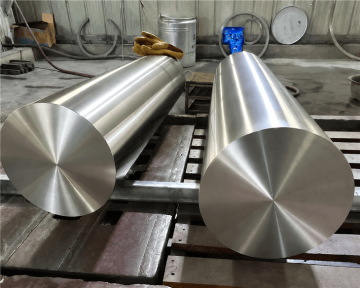
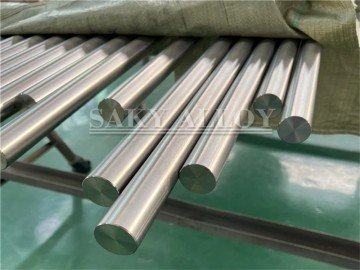
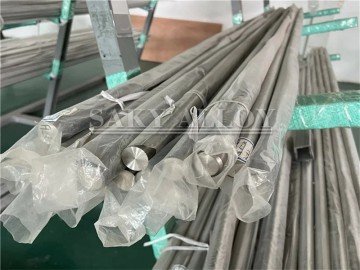
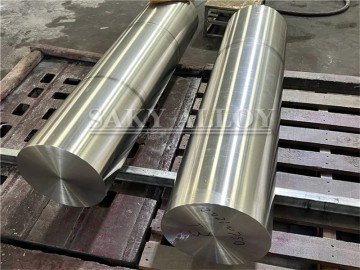
What is Titanium?
Titanium is a chemical element with the symbol “Ti” and atomic number 22. It is a strong, lightweight, and corrosion-resistant metal known for its exceptional properties and wide range of applications. Titanium is also incredibly resistant to corrosion and heat making it perfect for aerospace engineering.
Key Characteristics of Titanium:
1.Strength and Lightweight: Titanium has a high strength-to-weight ratio, making it as strong as steel but only about 45% lighter.
2.Corrosion Resistance: Titanium is highly resistant to corrosion, even in challenging environments such as seawater and acidic solutions.
3.Biocompatible: Titanium is biocompatible, meaning it is not harmful to living tissue.
4.Low Thermal Expansion: Titanium has a low coefficient of thermal expansion, which means it does not expand or contract significantly with temperature changes.
5.Excellent Heat Resistance: Titanium can withstand high temperatures without deforming or losing its properties.
6.Nonmagnetic: Titanium is nonmagnetic, which is important in applications where magnetic interference can be a problem, such as in certain medical devices and aircraft.
Common Uses of Titanium:
▲Aerospace and Aviation
▲Medical and Dental Implants
▲Chemical Processing
▲Sports and Recreation
▲Marine Applications
▲Architecture
▲Military Equipment
▲Electronics
▲Nuclear Industry