

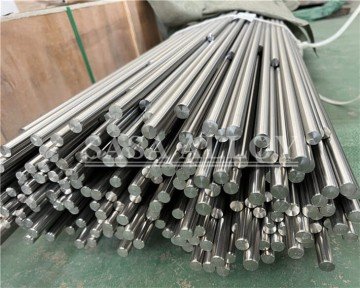
What Makes Titanium Bar Biocompatible?
Titanium has long been recognized as one of the most biocompatible metals in the world. From surgical implants to dental devices and orthopedic instruments, titanium bars are a critical material in medical and biological applications. But what exactly makes titanium biocompatible, and why is it chosen over other metals for such sensitive uses?
This article explores the scientific, structural, and practical reasons why titanium bars are ideal for biomedical use, and how sakyalloy provides high-grade titanium products that meet stringent biocompatibility standards.
What Is Biocompatibility?
Biocompatibility refers to the ability of a material to interact with living tissue without causing adverse effects such as inflammation, allergic reactions, or toxicity. A biocompatible material must:
-
Not release harmful ions or substances
-
Resist corrosion within the body
-
Promote integration with human tissues
-
Maintain long-term stability in physiological environments
Materials that fail in these aspects may lead to rejection, infection, or the need for surgical removal.
Why Titanium Bar Is Considered Biocompatible
Titanium, especially Grades 1 to 4 (commercially pure) and Grade 5 (Ti-6Al-4V), offers a unique set of properties that make it ideal for long-term contact with the human body.
1. Excellent Corrosion Resistance in the Human Body
Human body fluids, such as blood and interstitial fluid, are rich in salts and organic compounds that can corrode many metals. However, titanium forms a stable oxide layer (TiO₂) on its surface, which protects the metal from corrosion.
-
The oxide layer is self-healing, meaning it reforms even if scratched or damaged
-
This resistance ensures long-term implant stability without degradation
-
No harmful ions are released into the surrounding tissue
At sakyalloy, titanium bars are precision processed to preserve this oxide layer, ensuring maximum corrosion resistance in biomedical applications.
2. Inert and Non-Toxic
Titanium is chemically inert in the human body. Unlike nickel or chromium, it does not provoke allergic reactions or ion release.
-
Titanium is non-cytotoxic (harmless to cells)
-
It does not interfere with tissue regeneration or bone growth
-
Ideal for patients with metal sensitivities
This makes titanium bars a preferred choice for allergic or immuno-sensitive patients, particularly in dental and orthopedic surgery.
3. High Strength-to-Weight Ratio
Titanium bars offer remarkable mechanical performance while remaining lightweight. This is crucial for implants or prosthetic devices that need to function under stress without adding extra mass to the body.
-
Grade 5 titanium has a tensile strength of over 900 MPa
-
It is nearly 45% lighter than stainless steel
-
Enables more comfortable and longer-lasting implants
Orthopedic implants made with sakyalloy titanium bars allow for faster patient recovery and less fatigue on surrounding tissues.
4. Osseointegration Capability
One of the most important features of titanium is its ability to promote osseointegration—the process by which bone cells attach directly to the surface of an implant.
-
The micro-rough surface of titanium encourages bone bonding
-
Promotes long-term stability without the need for bone cement
-
Essential in dental implants, spinal rods, and hip replacements
Manufacturers often use surface treatments like sandblasting or acid etching on titanium bars to improve cell adhesion. sakyalloy offers titanium with surface options that support enhanced biological performance.
5. Long-Term Durability and Fatigue Resistance
Unlike other metals, titanium does not degrade or fatigue easily over time. This ensures implants last decades or a lifetime, reducing the risk of failure or revision surgery.
-
Superior fatigue resistance means it withstands millions of load cycles
-
Particularly useful for load-bearing implants such as femoral stems or spinal cages
-
No mechanical distortion under physiological stress
With sakyalloy, titanium bars undergo strict quality control to ensure uniformity, homogeneity, and reliability in long-term applications.
Applications of Biocompatible Titanium Bars
Titanium’s biocompatibility makes it the top choice in a wide range of medical and healthcare applications:
1. Orthopedic Implants
-
Hip and knee replacements
-
Spinal fixation devices
-
Bone screws and plates
2. Dental Applications
-
Tooth root implants
-
Abutments and screws
-
Orthodontic anchors
3. Cardiovascular Devices
-
Pacemaker enclosures
-
Heart valve frames
-
Vascular stents
4. Surgical Instruments
-
Scalpels and retractors
-
Forceps and clamps
-
Endoscopic tools
5. Prosthetics
-
Limb replacement frames
-
Joint articulation components
How Is Biocompatibility Tested?
Titanium bars intended for medical use must undergo rigorous testing:
-
ISO 10993: Biological evaluation of medical devices
-
ASTM F67 / ASTM F136: Titanium specifications for surgical implants
-
Microbiological and chemical tests for contaminants
-
In vitro and in vivo trials for cytotoxicity and tissue response
sakyalloy provides mill test certificates, material traceability, and compliance with international medical material standards.
Titanium vs Other Biocompatible Materials
| Property | Titanium | Stainless Steel | Cobalt-Chrome | PEEK (Polymer) |
|---|---|---|---|---|
| Biocompatibility | Excellent | Moderate | Good | Very good |
| Strength | High | High | Very high | Moderate |
| Weight | Low | High | High | Very low |
| Corrosion Resistance | Excellent | Moderate | Good | Excellent |
| Osseointegration | Excellent | Poor | Good | Poor |
While materials like PEEK and cobalt-chrome have their own advantages, titanium bars remain the gold standard for balancing strength, compatibility, and long-term performance.
Manufacturing Considerations
To preserve biocompatibility during production:
-
Titanium bars must be processed in contamination-free environments
-
Use of non-ferrous tools and lubricants
-
Passivation and cleaning before shipment
-
Vacuum or argon-shielded melting and forging
At sakyalloy, we implement clean manufacturing and traceability protocols to ensure each titanium bar meets biomedical-grade purity and finish.
Sustainability and Biocompatibility
Titanium is not only good for the human body but also for the planet:
-
100% recyclable
-
Non-toxic to the environment
-
Long service life reduces medical waste
Sustainability-conscious healthcare companies often choose sakyalloy titanium bars for their minimal environmental impact and maximum patient benefit.
Conclusion
Titanium’s biocompatibility stems from its inert chemical nature, corrosion resistance, osseointegration, and mechanical strength. These properties make titanium bars indispensable in modern medicine, dentistry, and surgical innovation.
When you need a material that is trusted by surgeons, safe for patients, and built for life, titanium is the clear choice.
For certified, high-purity titanium bars suitable for medical and biological applications, trust sakyalloy—your reliable partner in biocompatible titanium solutions.