
Where Are Titanium Bars Used in Subsea Equipment?
Subsea equipment operates in one of the most demanding environments on Earth—under immense pressure, in salt-laden water, and often in remote, hard-to-access locations. Materials used in such conditions must offer exceptional corrosion resistance, mechanical strength, low density, and long service life. Titanium bars, particularly Grade 5 (Ti-6Al-4V) and Grade 2, are widely favored for subsea applications due to their outstanding performance in marine environments.
In this article, we explore the uses of titanium bars in subsea equipment, examining where and why they are applied, what advantages they offer, and how they contribute to the safety and efficiency of underwater operations.
sakyalloy
Why Titanium Bars for Subsea Applications?
Titanium has several critical properties that make it ideal for subsea engineering:
-
Exceptional corrosion resistance in seawater and chlorides
-
High strength-to-weight ratio
-
Non-magnetic and bio-inert
-
Resistance to erosion, fatigue, and stress corrosion cracking
-
Low density (4.5 g/cm³), reducing overall system weight
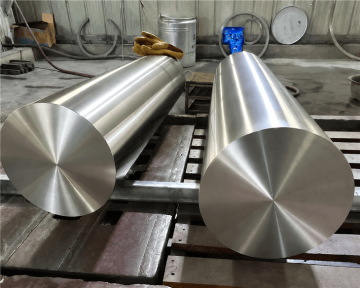
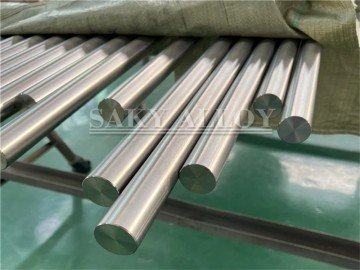
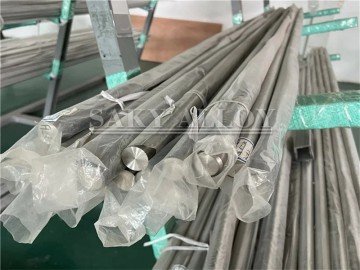
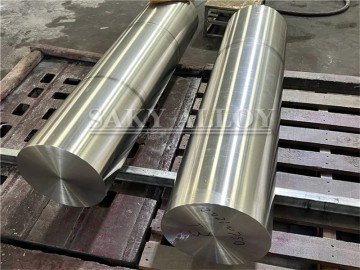
Titanium bars, when precision-machined or forged into subsea components, enable the development of lighter, more durable, and corrosion-proof systems in deep-sea environments.
Common Subsea Equipment Using Titanium Bars
Let’s explore the major categories of subsea equipment and identify where titanium bars are commonly applied:
1. Subsea Control Modules (SCMs)
SCMs are critical to managing oil and gas flow from subsea wells. Titanium bars are used in:
-
Valve stems and actuators
-
Structural fasteners
-
Sensor housings and support frames
Titanium’s resistance to seawater corrosion ensures long-term reliability of control systems, minimizing the need for expensive ROV (Remotely Operated Vehicle) interventions.
2. Subsea Manifolds
Subsea manifolds connect multiple wells to pipelines and control systems. Titanium bar components include:
-
Connecting rods and support brackets
-
Tie rods and bolting systems
-
Hydraulic system parts
Titanium’s high mechanical strength and fatigue resistance help these structures endure cyclic pressure loads and external hydrostatic pressure.
3. Subsea Umbilicals and Connectors
Umbilicals deliver hydraulic fluid, electrical signals, and chemicals to subsea systems. Titanium bar-derived components are used for:
-
Bulkhead connectors and couplings
-
Termination hardware
-
Sealing surfaces and lock rings
Titanium ensures these critical junctions remain leak-free, even at depths beyond 3,000 meters.
4. Subsea Pumps and Compressors
High-performance pumping systems for gas compression and water injection often use titanium in:
-
Pump shafts and impellers
-
Compressor rods and spacers
-
Mounting hardware and bolts
In such equipment, wear and corrosion resistance are essential for handling chemically aggressive and high-pressure fluids.
5. Subsea Sensors and Instrumentation
Modern subsea operations rely on a network of sensors and transmitters. Titanium bar materials are used to manufacture:
-
Pressure sensor casings
-
Temperature and flowmeter housings
-
Acoustic equipment frames
The non-magnetic and non-corrosive nature of titanium makes it ideal for sensitive electronic applications under the sea.
6. ROVs and AUVs
Remotely operated vehicles (ROVs) and autonomous underwater vehicles (AUVs) are essential tools for subsea inspection and maintenance. Titanium bars are employed in:
-
Structural frames
-
Manipulator arms and joints
-
Tool holders and brackets
Lightweight yet strong titanium parts improve maneuverability and operational endurance of these underwater vehicles.
7. Subsea Fasteners and Bolting Systems
Bolts, nuts, and threaded rods made from titanium bar stock are used in:
-
Subsea flanges and joints
-
Equipment housings and panels
-
Pipeline connections
Unlike steel bolts, titanium fasteners do not suffer from hydrogen embrittlement or crevice corrosion, even in low-oxygen deepwater zones.
8. Cathodic Protection Systems
Though titanium is naturally corrosion-resistant, in some hybrid systems, it is also used in cathodic protection designs:
-
Anode brackets and connectors
-
Support structures for CP systems
Titanium provides electrical isolation without sacrificing mechanical integrity.
Advantages of Titanium Bars in Subsea Engineering
| Feature | Benefit |
|---|---|
| Corrosion Resistance | No degradation from seawater, chlorides, or sulfides |
| High Strength | Withstands pressure and vibration from underwater currents |
| Lightweight | Reduces subsea structure weight and improves ROV mobility |
| Long Service Life | Lower maintenance and fewer replacements |
| Non-Magnetic and Non-Toxic | Safe for sensitive electronics and marine life |
| Temperature Resilience | Stable in both deep-sea cold and thermal gradients |
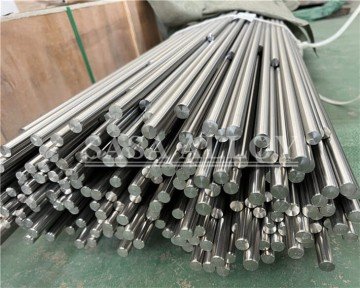
sakyalloy provides titanium bars that meet specifications such as ASTM B348 and ISO 5832, ideal for subsea manufacturing and precision machining.
Material Grades for Subsea Titanium Bars
Common titanium grades used in underwater systems include:
Grade 2 (Commercially Pure Titanium)
-
Excellent corrosion resistance
-
Lower strength than alloys, suitable for housings and frames
Grade 5 (Ti-6Al-4V)
-
High strength and corrosion resistance
-
Ideal for critical load-bearing components and fasteners
Grade 23 (Ti-6Al-4V ELI)
-
Extra low interstitial version of Grade 5
-
Improved toughness and fatigue resistance
Certifications and Standards
Subsea components made from titanium bars must comply with industry regulations:
-
ASTM B348 – Titanium bar material standard
-
NORSOK M-650 / M-630 – For oil & gas subsea equipment
-
DNV-RP-F112 – Design standards for underwater pipelines
-
API 6A / 17D – Subsea wellhead and production equipment standards
-
EN 10204 3.1 / 3.2 – Inspection and test certification requirements
sakyalloy offers full traceability, NDT reports, and third-party inspections for all subsea-grade titanium bars.
Case Study: Subsea Tie-In System
Project: Tie-in spool connectors for a deepwater oilfield in Brazil
Requirements: Corrosion-resistant fasteners, compact hydraulic system support
Solution by sakyalloy:
-
Supplied Grade 5 titanium bars for machined connector arms and threaded rods
-
Delivered with ultrasonic testing and PMI reports
-
Resulted in a 30% weight reduction and 5+ years maintenance-free performance
Conclusion
Titanium bars have become a material of choice for subsea equipment manufacturers due to their unmatched corrosion resistance, strength, and long-term durability. Whether it’s for structural support, control systems, sensors, or critical fasteners, titanium offers performance under pressure—literally.
With increasing offshore exploration and deeper subsea installations, the demand for titanium components continues to grow. As a reliable supplier, sakyalloy delivers high-grade titanium bars that meet the stringent requirements of subsea engineering.