
Where to Buy Certified Titanium Pipe: Sourcing Tips
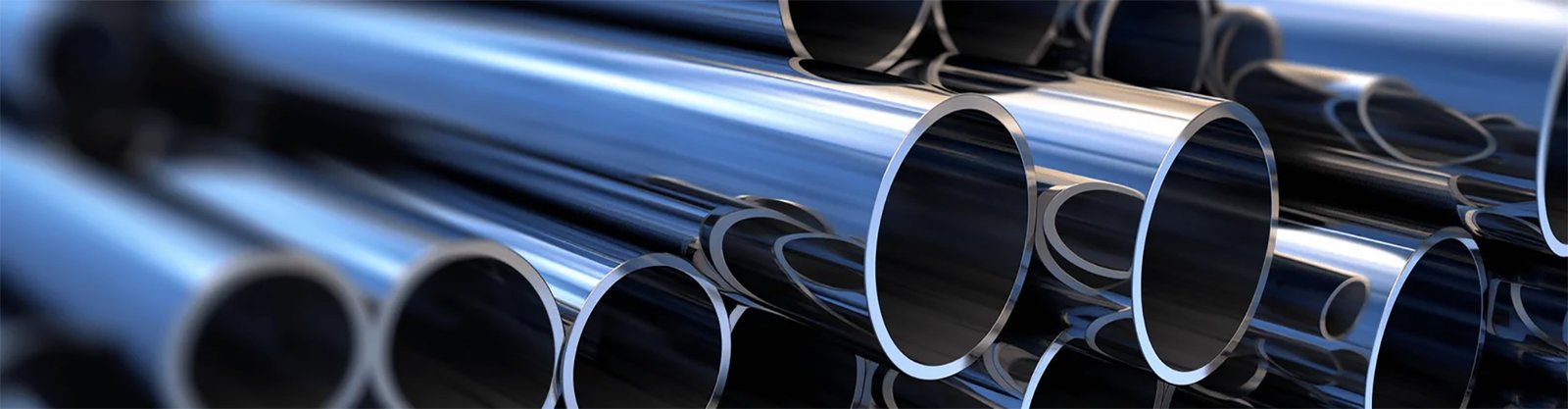
Titanium pipes play a crucial role in industries where strength, corrosion resistance, and lightweight properties are non-negotiable. From aerospace to chemical processing, marine applications to medical equipment, certified titanium pipes ensure safety, performance, and compliance with international standards. But with the growing demand for titanium products, how can buyers confidently source genuine, high-quality titanium pipe? In this comprehensive guide, we’ll share expert sourcing tips on where to buy certified titanium pipe, how to verify suppliers, and what to look for to protect your investment.
Why Certification Matters in Titanium Pipe Procurement
When purchasing titanium pipe, certification is far more than just paperwork — it’s your guarantee of authenticity, quality, and conformity to engineering specifications. Certified titanium pipes provide:
-
Verified chemical composition to ensure corrosion resistance and mechanical strength.
-
Documented mechanical properties such as tensile strength, yield strength, and elongation.
-
Traceability back to the manufacturing batch, mill, and raw material source.
-
Compliance with international standards like ASTM B861, ASTM B862, and ASTM B338.
Without proper certification, you risk incorporating substandard or counterfeit material into your system, which could lead to failures, safety hazards, or regulatory penalties.
Where to Buy Certified Titanium Pipe
The source of your titanium pipe is as important as the pipe itself. Here’s where to look when sourcing certified titanium pipe for your project:
1. Reputable Manufacturers
Purchasing directly from established titanium pipe manufacturers ensures greater control over quality and traceability. These manufacturers produce pipes to strict standards and provide full documentation with every order. Look for companies with:
-
ISO 9001 or AS9100 certifications.
-
A proven history of supplying titanium pipes for critical applications.
-
In-house testing and inspection facilities.
Companies like sakyalloy are known for delivering certified titanium pipes with full traceability and compliance with ASTM and ASME specifications.
2. Authorized Distributors
In some cases, authorized distributors or stockists represent leading titanium manufacturers. They maintain inventory in key markets, helping reduce lead times and offering flexibility in order quantities. When buying from distributors:
-
Verify their authorization with the original manufacturer.
-
Ensure they provide original mill certificates with each shipment.
-
Confirm they have proper storage conditions to prevent contamination or damage to titanium pipes.
3. Specialist Metal Suppliers
There are suppliers who focus on specialty metals like titanium, nickel alloys, and high-performance stainless steels. These companies understand the critical requirements of industries using titanium pipes and typically maintain rigorous quality standards.
When selecting a specialist supplier:
-
Request details of their sourcing channels.
-
Check their certifications and audit history.
-
Ask for references from customers in your industry.
4. International Trade Platforms (With Caution)
Online B2B platforms can connect buyers to global suppliers, but they come with risks. If sourcing titanium pipes via online marketplaces:
-
Conduct thorough due diligence on the supplier.
-
Insist on original mill certificates and third-party test reports.
-
Beware of offers that seem “too good to be true” in terms of pricing.
Whenever possible, prioritize direct relationships over anonymous platform listings to minimize risk.
Sourcing Tips for Buying Certified Titanium Pipe
Finding a trustworthy supplier is only the first step. Follow these sourcing tips to ensure you receive authentic, high-quality titanium pipes:
Tip 1: Request Mill Test Certificates (MTC)
Every certified titanium pipe should come with a mill test certificate (MTC), also known as a material test report (MTR). This document verifies:
-
Chemical composition (e.g., titanium content, alloying elements).
-
Mechanical properties (tensile strength, yield strength, elongation).
-
Heat or batch number.
-
Manufacturing standards (ASTM, ASME, etc.).
Confirm that the heat number on the MTC matches the markings on the pipe. Reliable suppliers like sakyalloy provide traceable and verifiable MTCs with every shipment.
Tip 2: Verify Compliance with International Standards
Certified titanium pipes should meet recognized standards, such as:
-
ASTM B861: Seamless titanium pipe.
-
ASTM B862: Welded titanium pipe.
-
ASTM B338: Titanium tubes for heat exchangers.
Review the documentation and ensure your supplier declares full compliance. Third-party inspection agencies can also verify adherence to standards before shipment.
Tip 3: Confirm Supplier Certifications
Before placing an order, check that the supplier holds relevant certifications, such as:
-
ISO 9001: Quality management system.
-
AS9100: Aerospace quality management (if applicable).
-
PED / CE / NORSOK: Regional compliance certifications, depending on project requirements.
A supplier’s commitment to certified processes reflects in the consistency and reliability of their titanium pipe products.
Tip 4: Evaluate Traceability Practices
Traceability ensures that you can track the titanium pipe from raw material through production and delivery. A traceable supply chain offers:
-
Clear records of heat/batch numbers.
-
Detailed production and inspection records.
-
Transparency in raw material sourcing.
Ask the supplier for details about their traceability system and audit trail.
Tip 5: Conduct or Request Third-Party Testing
For critical applications, consider independent verification through third-party testing. This can include:
-
Chemical composition analysis (e.g., XRF, OES).
-
Mechanical testing (e.g., tensile tests, hardness checks).
-
Non-destructive testing (e.g., ultrasonic or eddy current testing).
Third-party reports add an extra layer of confidence in the quality of the titanium pipes you receive.
Tip 6: Inspect Physical Markings
Certified titanium pipes should bear permanent, legible markings, including:
-
Titanium grade (e.g., Grade 2, Grade 5).
-
Standard (e.g., ASTM B861).
-
Heat/batch number.
-
Manufacturer’s name or logo.
Markings should align perfectly with the provided documentation. Missing or inconsistent markings are warning signs of authenticity issues.
Qualities of a Reliable Titanium Pipe Supplier
Choosing the right supplier reduces risks and ensures you get value for your investment. A reliable titanium pipe supplier will:
-
Offer consistent product quality across orders.
-
Maintain robust quality control and inspection processes.
-
Provide complete and accurate documentation.
-
Be transparent about their production and sourcing.
-
Support customers with technical advice and after-sales service.
Suppliers like sakyalloy have built a reputation for integrity, quality, and reliability in supplying certified titanium pipes to demanding industries worldwide.
Common Pitfalls to Avoid When Sourcing Titanium Pipe
When sourcing titanium pipes, beware of these common pitfalls:
-
Chasing the lowest price: Extreme price differences often indicate compromised quality or counterfeit materials.
-
Skipping document verification: Always review MTCs and certifications before accepting a shipment.
-
Neglecting supplier background checks: Verify the supplier’s credentials, certifications, and reputation before placing an order.
-
Ignoring storage and handling practices: Titanium pipes must be stored and transported carefully to avoid contamination or damage.
Avoiding these mistakes helps safeguard your project against costly failures or delays.
The Role of Supplier Audits and Site Visits
Where possible, audit your supplier or conduct a site visit. This enables you to:
-
Evaluate manufacturing capabilities and quality control processes.
-
Inspect raw material storage and traceability systems.
-
Confirm compliance with standards and certifications.
For large-scale or critical projects, a supplier audit adds valuable assurance that the titanium pipes meet all requirements.
Conclusion
Sourcing certified titanium pipe is a critical task that demands careful supplier selection, document verification, and technical diligence. By following the sourcing tips outlined in this guide, you can protect your project from the risks of substandard or counterfeit materials.
Working with a trusted supplier like sakyalloy ensures that you receive titanium pipes that meet international standards, come with full certification, and deliver reliable performance in demanding applications. Whether for aerospace, chemical processing, or marine projects, make authenticity and quality your top priorities when sourcing titanium pipe.