
Why Aerospace Engineers Prefer Grade 9 Titanium for Lightweight Designs
In the aerospace industry, every gram counts. Weight reduction is one of the most critical factors in aircraft design, directly influencing fuel efficiency, range, payload capacity, and operational costs. To achieve this delicate balance between strength and lightness, engineers rely on advanced materials that can perform under extreme mechanical and thermal conditions. Among these materials, Grade 9 titanium (Ti-3Al-2.5V) stands out as one of the most versatile and reliable options.
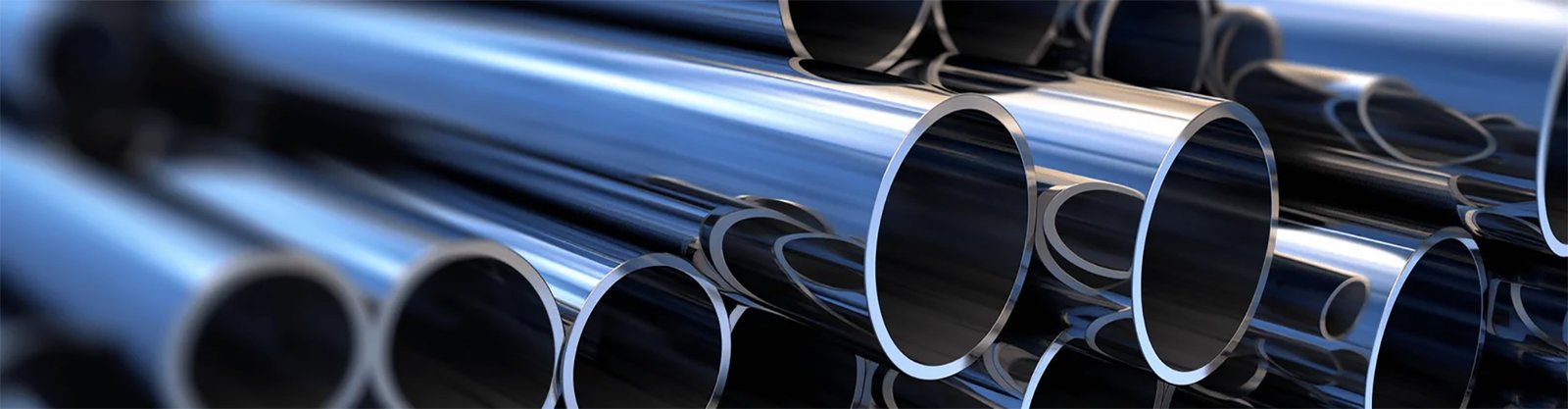
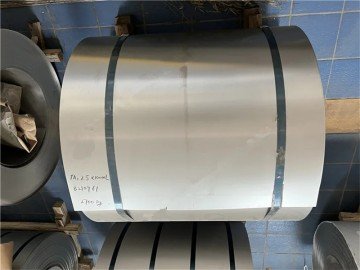
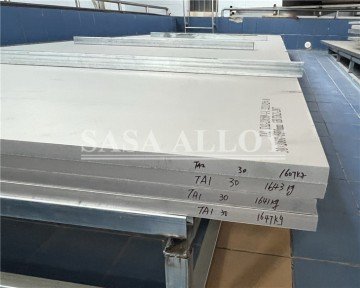
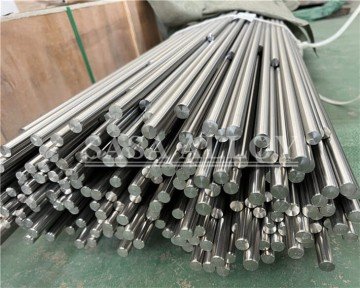
This titanium alloy offers a unique combination of medium-to-high strength, low density, excellent corrosion resistance, and superior fatigue performance, making it a preferred choice for components where weight reduction without sacrificing durability is paramount. As a professional global supplier, sakyalloy produces premium-quality Grade 9 titanium rods, tubes, and sheets that meet aerospace standards such as AMS 4943, AMS 4944, and ASTM B348, supporting the world’s leading aircraft manufacturers in building lighter, stronger, and more efficient designs.
Understanding Grade 9 Titanium (Ti-3Al-2.5V)
Grade 9 titanium, chemically designated as Ti-3Al-2.5V, is an alpha-beta titanium alloy containing 3% aluminum and 2.5% vanadium. It was developed to provide a middle ground between the high strength of Grade 5 (Ti-6Al-4V) and the excellent formability of commercially pure titanium grades (Grade 2 and 3).
This unique composition provides a balance of structural strength, ductility, and corrosion resistance, making it ideal for aerospace tubing, structural reinforcements, and pressurized systems.
Chemical Composition (%):
-
Titanium (Ti): Balance
-
Aluminum (Al): 2.5–3.5
-
Vanadium (V): 2.0–3.0
-
Iron (Fe): ≤ 0.25
-
Oxygen (O): ≤ 0.20
-
Carbon (C): ≤ 0.08
-
Hydrogen (H): ≤ 0.015
The addition of aluminum increases strength and oxidation resistance, while vanadium enhances ductility and fatigue performance, making the alloy suitable for both cold and high-temperature applications.
Mechanical Properties of Grade 9 Titanium
| Property | Value (Typical) |
|---|---|
| Density | 4.48 g/cm³ |
| Yield Strength | 480–620 MPa |
| Tensile Strength | 620–760 MPa |
| Elongation | 15–20% |
| Modulus of Elasticity | 105 GPa |
| Working Temperature | Up to 400°C |
These mechanical properties make Grade 9 titanium stronger than commercially pure grades while maintaining excellent formability, a key factor in lightweight aerospace designs.
Why Lightweight Design Is Vital in Aerospace Engineering
Aircraft performance is governed by a simple principle: the lighter the structure, the greater the efficiency. Every reduction in weight leads to:
-
Lower fuel consumption and emissions
-
Increased payload and range capacity
-
Improved climb performance and maneuverability
-
Reduced wear on landing gear and engine components
-
Lower operational and maintenance costs
Because titanium alloys like Grade 9 combine low density with high strength, they help aerospace engineers achieve these design goals without compromising safety or durability.
Why Aerospace Engineers Prefer Grade 9 Titanium
1. Superior Strength-to-Weight Ratio
Grade 9 titanium provides high mechanical strength at just 60% of the weight of steel. This allows for thinner walls and smaller cross-sections in structural designs, resulting in substantial mass savings.
For example, replacing steel hydraulic tubing with Grade 9 titanium can reduce system weight by up to 40%, improving aircraft efficiency and payload flexibility.
2. Outstanding Corrosion Resistance
Aircraft structures and systems are exposed to harsh environments—moisture, salt air, and hydraulic fluids. Titanium’s self-healing oxide layer protects it from corrosion and oxidation, ensuring long-term durability in both airframe and engine components.
3. Excellent Fatigue Performance
Flight-critical components undergo continuous cyclic loading due to turbulence, pressure changes, and aerodynamic stresses. Grade 9 titanium offers high fatigue resistance, maintaining structural integrity after millions of flight hours.
4. Exceptional Thermal Stability
Grade 9 titanium maintains strength and stability at temperatures up to 400°C, outperforming aluminum alloys that soften under heat. This makes it ideal for engine surroundings, exhaust systems, and high-temperature brackets.
5. Superior Fabrication Flexibility
Unlike the harder Grade 5 alloy, Grade 9 titanium can be cold-formed, drawn, and welded without heat treatment. It is widely used in tubing, fittings, and thin-walled structures, reducing manufacturing complexity and costs.
6. Compatibility with Composites
As modern aircraft incorporate more carbon-fiber-reinforced polymer (CFRP) materials, titanium’s galvanic compatibility ensures no electrochemical corrosion, unlike aluminum alloys. This makes Grade 9 titanium perfect for joining metal-to-composite interfaces in fuselage and wing assemblies.
7. Long-Term Service Life
Due to its resistance to corrosion, oxidation, and fatigue, Grade 9 titanium components last significantly longer than conventional metals. This reduces maintenance intervals and improves aircraft reliability.
Key Aerospace Applications of Grade 9 Titanium
1. Hydraulic and Pneumatic Systems
Grade 9 titanium rods and tubes are widely used for hydraulic lines, fuel transfer tubes, and pressure conduits due to their high-pressure tolerance and fatigue endurance. These lightweight tubes contribute directly to overall aircraft efficiency.
2. Airframe Structures
From wing spars and fuselage reinforcements to bulkheads and seat rails, titanium rods are incorporated into airframes where stiffness, strength, and corrosion resistance are essential.
3. Engine Components
In jet engines, titanium withstands extreme heat, pressure, and vibration. Grade 9 titanium is often used for tubing in oil, cooling, and bleed-air systems thanks to its oxidation resistance and thermal stability.
4. Landing Gear and Support Brackets
Titanium rods are employed in landing gear struts, attachment points, and mounting brackets, offering high load-bearing capacity with less mass compared to steel components.
5. Fuel and Hydraulic Connectors
Lightweight titanium connectors and fittings reduce system mass and prevent corrosion when exposed to fuel and hydraulic fluids.
6. Satellite and Spacecraft Structures
Grade 9 titanium’s low density, high strength, and resistance to radiation and vacuum environments make it a trusted choice for spacecraft frames, panels, and antenna mounts.
Comparison: Grade 9 Titanium vs. Aluminum and Steel
| Property | Grade 9 Titanium (Ti-3Al-2.5V) | Aluminum Alloy (7075-T6) | Stainless Steel (316L) |
|---|---|---|---|
| Density (g/cm³) | 4.48 | 2.80 | 8.00 |
| Tensile Strength (MPa) | 620–760 | 540 | 600 |
| Corrosion Resistance | Excellent | Moderate | Good |
| Fatigue Resistance | High | Medium | Medium |
| Operating Temperature (°C) | Up to 400 | Up to 150 | Up to 300 |
| Fabrication and Welding | Excellent | Good | Good |
| Service Life | 25+ years | 10–15 years | 20+ years |
Conclusion:
Grade 9 titanium combines the lightness of aluminum with the strength and durability of steel, making it the most efficient material for next-generation aerospace designs.
Quality and Aerospace Certification Standards
Every Grade 9 titanium product supplied by sakyalloy is produced under rigorous quality control systems to meet global aerospace standards:
Applicable Standards:
-
AMS 4943 / AMS 4944 – Aerospace tubing and rods
-
ASTM B348 – Titanium and titanium alloy bars and billets
-
ISO 5832-11 – Titanium alloys for aerospace and industrial use
Testing and Quality Assurance:
-
Ultrasonic Testing (UT) for internal flaw detection
-
Tensile and yield strength verification
-
Microstructure and grain size analysis
-
Dimensional and surface finish inspection
-
Mill Test Certificate (EN 10204 3.1/3.2) provided with each batch
This ensures that every sakyalloy titanium rod or tube meets the performance and safety standards demanded by the aerospace industry.
sakyalloy – Your Trusted Supplier for Aerospace Titanium Solutions
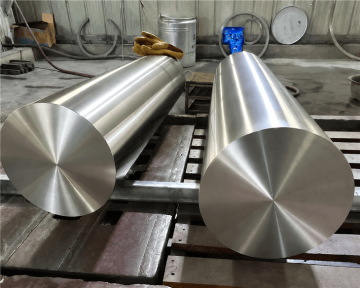
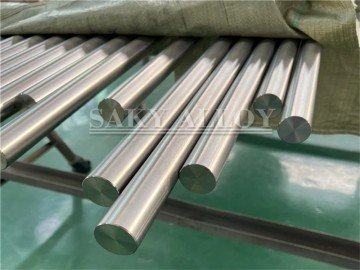
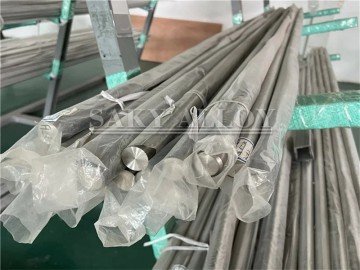
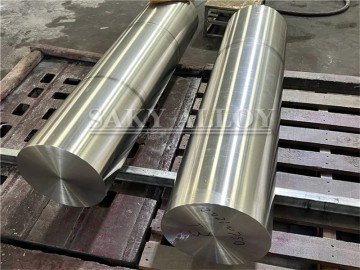
As a leading global supplier of titanium materials, sakyalloy delivers Grade 9 titanium rods, tubes, and sheets that meet the precise requirements of aerospace manufacturers.
Our Advantages:
-
Full product range: diameters 3 mm to 200 mm, lengths up to 6,000 mm
-
Advanced production lines with vacuum melting and forging technology
-
CNC precision machining and surface finishing
-
Certified to international aerospace standards (AMS, ASTM, ISO)
-
Worldwide logistics and fast delivery solutions
By combining cutting-edge manufacturing technology with strict quality assurance, sakyalloy ensures that each product provides the strength, precision, and consistency that aerospace engineers depend on for lightweight and reliable designs.
The Future of Lightweight Aerospace Materials
With the aviation industry pushing toward net-zero emissions, the importance of lightweight materials like titanium continues to grow. Innovations such as electric aircraft, hybrid propulsion systems, and advanced composites all require materials that offer strength without weight penalties.
Grade 9 titanium is expected to play an even larger role in:
-
Next-generation airframes with hybrid metal-composite structures
-
Hydrogen-fueled aircraft systems that demand corrosion resistance
-
Space exploration vehicles where radiation and vacuum resistance are crucial
-
3D printing and additive manufacturing, where titanium’s consistency supports complex, weight-optimized geometries
As aerospace design continues to evolve, titanium will remain a key enabler of performance, sustainability, and innovation.
Conclusion
The preference for Grade 9 titanium (Ti-3Al-2.5V) among aerospace engineers is rooted in its exceptional combination of lightweight strength, fatigue resistance, and corrosion protection. It enables the design of aircraft and spacecraft that are stronger, lighter, and more fuel-efficient—crucial advantages in modern aviation.
From hydraulic systems and airframe structures to engine tubing and landing gear components, Grade 9 titanium ensures long-term reliability while helping reduce overall aircraft mass.
With its advanced manufacturing expertise and strict quality control, sakyalloy continues to deliver high-performance Grade 9 titanium products that power the aerospace industry’s quest for lighter, safer, and more sustainable flight.