
Why Do Aviation Materials And Mobile Phones Use Titanium Alloys?
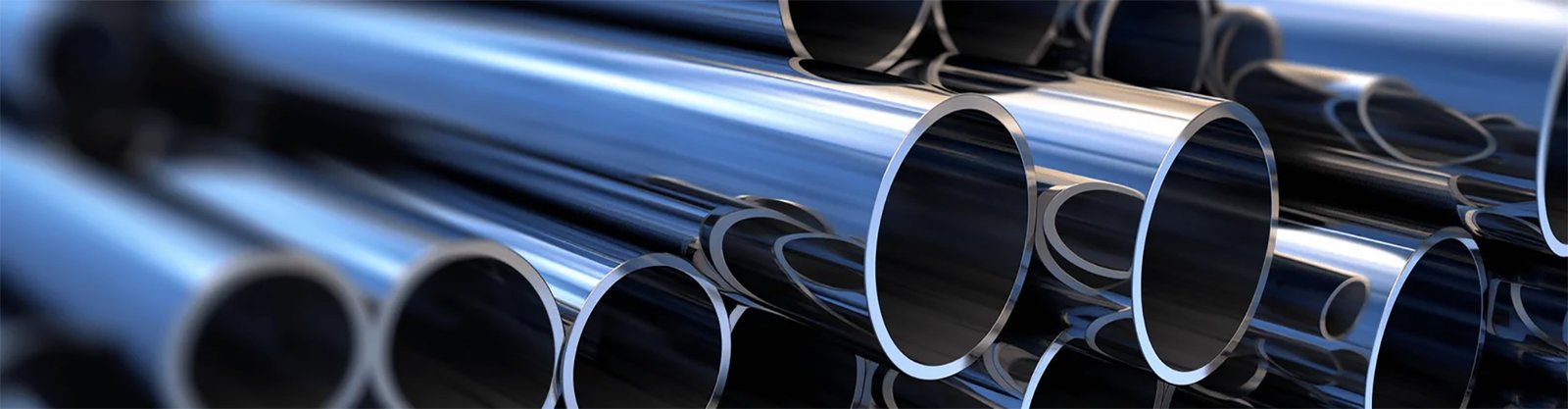
Titanium alloys are among the most advanced engineering materials in the world, offering an extraordinary balance of strength, lightness, and corrosion resistance. From the skies to the palms of our hands, titanium has made its way into two seemingly different fields: aviation materials and mobile phone manufacturing. But why is titanium alloy favored in both aerospace engineering and consumer electronics?
This article explores the reasons behind the widespread adoption of titanium alloys, comparing their properties, applications, advantages, and challenges in aviation and mobile devices.
What Are Titanium Alloys?
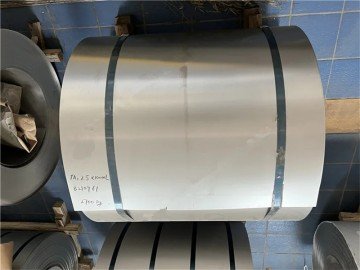
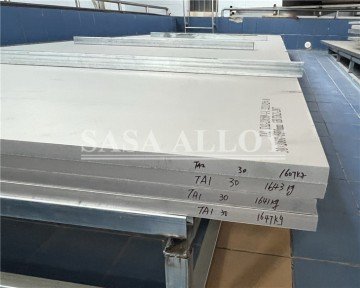
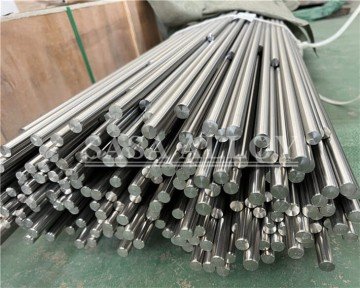
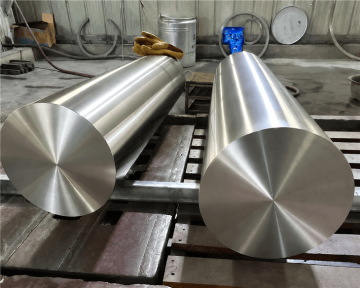
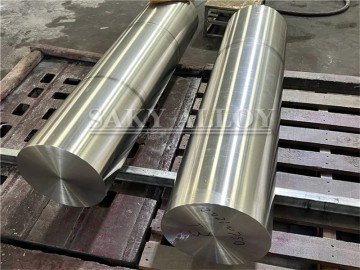
Titanium alloys are metallic materials made primarily of titanium with other elements such as aluminum, vanadium, molybdenum, and iron. By tailoring their composition, manufacturers achieve a balance of lightweight properties, mechanical strength, and resistance to high temperatures.
Key Features
-
Density about 4.5 g/cm³ (nearly half that of steel but much stronger).
-
High tensile strength, often exceeding many grades of steel.
-
Excellent corrosion resistance, even in seawater and aggressive chemical environments.
-
Biocompatibility, making it safe for medical implants.
Titanium Alloys in Aviation
Aviation and aerospace industries demand materials that can withstand extreme conditions, from high stresses to wide temperature variations.
Why Titanium Alloys Are Used in Aviation
-
Strength-to-Weight Ratio
-
Titanium alloys provide comparable strength to steel at half the weight.
-
Helps reduce aircraft weight, improving fuel efficiency.
-
-
High-Temperature Resistance
-
Withstands temperatures up to 600°C without losing strength.
-
Critical for jet engines and exhaust systems.
-
-
Corrosion Resistance
-
Ideal for aircraft exposed to humidity, rain, and marine environments.
-
-
Compatibility with Composites
-
Titanium bonds well with carbon fiber-reinforced composites used in modern aircraft.
-
Applications in Aviation
-
Jet engine components (compressor blades, disks, and casings).
-
Aircraft frames and landing gear.
-
Fasteners and bolts.
-
Heat exchangers and hydraulic systems.
Titanium Alloys in Mobile Phones
At first glance, mobile phones and airplanes seem worlds apart. Yet both benefit from titanium’s unique properties.
Why Titanium Alloys Are Used in Mobile Devices
-
Durability and Strength
-
Titanium cases protect phones from drops, scratches, and daily wear.
-
-
Lightweight Comfort
-
Provides strong protection without making devices heavy.
-
-
Premium Look and Feel
-
Titanium gives smartphones a sleek, luxurious finish.
-
-
Corrosion and Heat Resistance
-
Phones are exposed to sweat, humidity, and heat, where titanium maintains performance.
-
Applications in Mobile Devices
-
Titanium alloy frames for smartphones.
-
Protective casings for premium models.
-
Internal structural components requiring both lightness and rigidity.
Shared Advantages Across Both Industries
-
High Strength-to-Weight Ratio: Reduces aircraft fuel consumption and ensures portable, lightweight phones.
-
Corrosion Resistance: Essential for aircraft in marine environments and phones exposed to daily handling.
-
Durability: Extends the service life of aircraft parts and consumer electronics.
-
Aesthetic Value: Titanium’s metallic finish adds to luxury branding in both aviation and electronics.
Challenges of Titanium Alloy Use
Despite its benefits, titanium alloy also comes with limitations:
-
High Cost: More expensive than aluminum or steel, limiting use to high-performance or premium products.
-
Machining Difficulty: Work hardens quickly and generates heat during processing.
-
Limited Availability: Production capacity is smaller compared to steel or aluminum.
Comparison With Other Materials
Aviation
-
Aluminum Alloys: Lighter but less strong and less heat-resistant.
-
Steel: Stronger but too heavy for extensive use.
-
Composites: Lightweight but less durable than titanium in critical stress areas.
Mobile Phones
-
Plastic: Lightweight but lacks durability and premium feel.
-
Aluminum: Affordable but softer and less scratch-resistant.
-
Stainless Steel: Strong but heavy compared to titanium.
Industry Standards
Titanium alloys used in aviation and electronics follow strict standards:
-
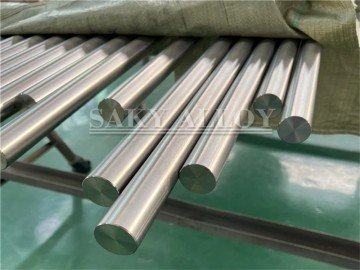
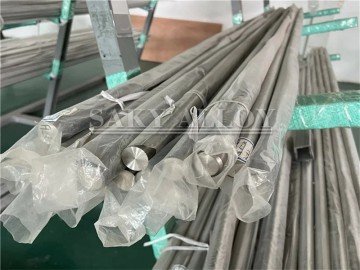
ASTM B348 – Titanium and titanium alloy bars and billets.
-
AMS 4928 – Aerospace specifications for titanium alloys.
-
ISO 5832 – Standards for titanium alloys in biomedical applications.
These ensure quality, safety, and reliability in both industries.
Future Trends in Titanium Alloy Applications
-
Aviation: Increased use in next-generation aircraft to improve fuel efficiency and reduce emissions.
-
Consumer Electronics: Growing demand for premium smartphones, laptops, and wearables with titanium casings.
-
Sustainability: Recycling titanium to lower production costs and environmental impact.
-
Advanced Manufacturing: Use of 3D printing for titanium alloy components to reduce waste and cost.
Conclusion
Titanium alloys bridge two vastly different worlds: aviation materials and mobile phones. In aerospace, they enable lighter, stronger, and more fuel-efficient aircraft. In consumer electronics, they provide durable, corrosion-resistant, and luxurious finishes for high-end devices.
Despite higher costs and machining challenges, the advantages of titanium alloys far outweigh their limitations in applications where performance and reliability are critical.
As a trusted supplier of high-performance materials, sakyalloy provides titanium alloys tailored to aerospace, electronics, and other demanding industries. With advanced processing technology and strict quality control, sakyalloy ensures that customers receive materials that meet international standards and enhance product performance.
By combining innovation with titanium’s unique properties, industries continue to expand its applications, proving that this remarkable alloy is as vital in the skies as it is in the technology we hold every day.