
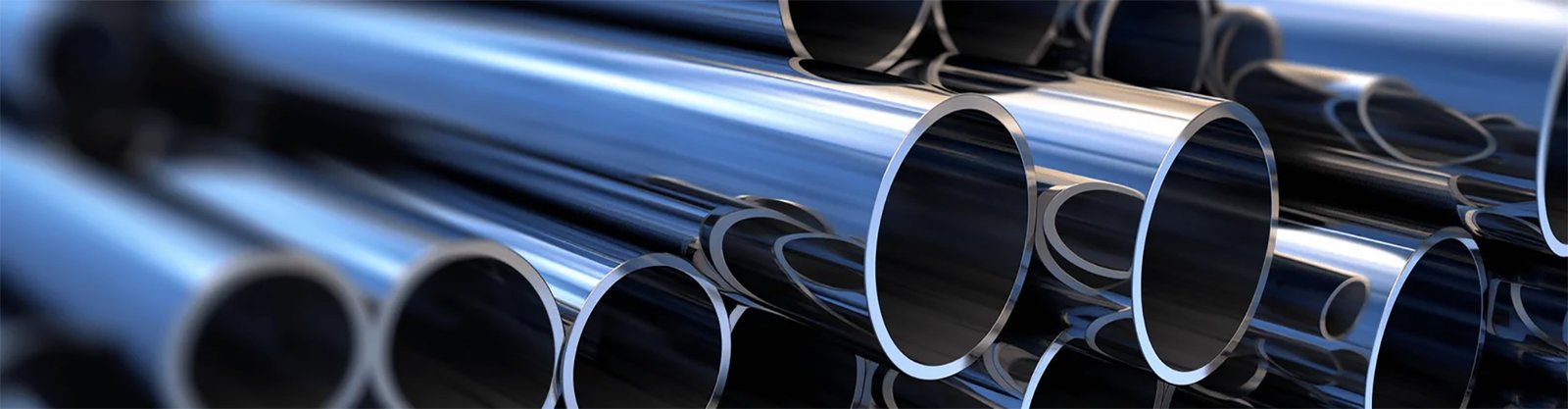
Why Nuclear Industry Trusts Titanium Pipe: The Unmatched Choice for Safety and Performance
In the nuclear industry, safety, reliability, and long-term performance are not optional—they are absolute necessities. Every component in a nuclear facility, from the smallest fastener to the largest piping network, must meet stringent requirements to ensure the system’s integrity under extreme conditions. Among the many materials available for nuclear applications, titanium pipe has earned a place of trust and preference due to its unique combination of properties that align perfectly with the demanding environment of nuclear power plants. In this article, we explore why the nuclear industry trusts titanium pipe, its unparalleled advantages, and its vital role in ensuring the safe and efficient operation of nuclear facilities.
The Demands of the Nuclear Environment
Nuclear power plants present one of the harshest operating environments in any industry. Components within these facilities must withstand:
-
Intense radiation exposure
-
High operating pressures
-
Elevated temperatures
-
Corrosive environments (including borated water and other coolants)
-
Long service lifespans with minimal maintenance opportunities
Materials used in these systems must therefore offer a unique blend of mechanical strength, corrosion resistance, and stability under irradiation. Titanium pipe, with its exceptional properties, meets these criteria and more, making it a material of choice for critical applications in the nuclear sector.
Exceptional Corrosion Resistance in Harsh Media
A key reason the nuclear industry relies on titanium pipe is its extraordinary resistance to corrosion. Nuclear facilities often use cooling water systems that contain chlorides and other aggressive substances. Titanium naturally forms a dense, stable oxide film on its surface that protects it from attack by these chemicals. This passive oxide layer regenerates instantly if damaged, ensuring continued protection without the need for coatings or linings.
In primary and secondary coolant circuits, condensers, and heat exchangers, titanium pipe provides long-term protection against corrosion, erosion, and pitting—problems that can compromise system integrity and lead to costly downtime in other materials such as stainless steel or copper alloys.
Superior Strength-to-Weight Ratio
Titanium’s strength-to-weight ratio is another factor that makes it highly valued in nuclear applications. Titanium pipe delivers high mechanical strength at about 45% of the weight of steel. This allows for the design of lighter, more compact systems without sacrificing durability or performance. Lighter components mean easier handling during installation and maintenance, as well as reduced load on support structures, which is especially important in confined or complex nuclear plant layouts.
Resistance to Radiation Damage
The nuclear environment exposes materials to neutron radiation that can cause embrittlement, swelling, or other degradation over time. Titanium exhibits remarkable stability under radiation, maintaining its mechanical properties and resisting dimensional changes that can affect the alignment and function of piping systems. This resistance to radiation damage is essential in maintaining the long-term safety and performance of nuclear power plants.
Thermal and Mechanical Stability
Titanium pipe demonstrates excellent performance at both elevated and cryogenic temperatures, offering reliable service across the wide temperature ranges encountered in nuclear systems. Whether used in primary coolant loops, heat exchangers, or auxiliary systems, titanium’s thermal stability ensures minimal dimensional changes and consistent mechanical properties throughout the lifecycle of the facility.
Long-Term Cost Efficiency
While the initial cost of titanium pipe may be higher than traditional materials, its longevity, low maintenance requirements, and resistance to failure under harsh conditions deliver substantial long-term cost savings. The nuclear industry operates with a focus on life-cycle cost and risk minimization. Titanium pipe aligns with this philosophy by virtually eliminating the need for replacement or extensive maintenance during the plant’s service life.
In fact, many nuclear facilities report that titanium components have operated flawlessly for decades, justifying their higher upfront investment through unparalleled durability and reliability.
Typical Applications of Titanium Pipe in Nuclear Power Plants
Titanium pipe serves a wide range of critical functions within nuclear facilities. These include:
-
Condenser and heat exchanger tubing: Ensuring efficient heat transfer without corrosion or scaling
-
Cooling water systems: Withstanding aggressive cooling media with chlorides or seawater
-
Auxiliary systems: Providing corrosion-resistant piping for chemical dosing and water treatment circuits
-
Waste management systems: Handling radioactive or chemically aggressive waste streams safely
Each of these applications demands materials that can function flawlessly over decades of continuous operation—a standard that titanium pipe consistently meets.
The Role of sakyalloy in Nuclear Titanium Solutions
At sakyalloy, we understand the critical role that titanium pipe plays in the nuclear industry. That is why we supply high-purity, precision-manufactured titanium pipes that conform to stringent international standards such as ASTM, ASME, and nuclear-specific specifications. Our titanium products are engineered for the highest level of performance, ensuring peace of mind for plant designers, operators, and regulators alike.
sakyalloy works closely with nuclear industry clients to provide material solutions that meet their specific design, performance, and safety requirements. Our experience in supplying titanium materials for sensitive and high-stakes applications makes us a trusted partner in the nuclear sector.
Environmental and Regulatory Considerations
The nuclear industry operates under intense scrutiny from regulators and the public, with an ever-increasing emphasis on safety, environmental protection, and sustainability. Titanium pipe contributes to these goals in several ways:
-
Reduced risk of leaks or failures, lowering environmental impact
-
No need for toxic corrosion inhibitors or coatings
-
100% recyclability at end-of-life, supporting sustainable material use
Titanium’s ability to minimize environmental risks and align with regulatory expectations further reinforces its suitability for nuclear applications.
Future Outlook: Titanium and the Next Generation of Nuclear Technology
As the nuclear industry evolves with the development of small modular reactors (SMRs), advanced fast reactors, and fusion energy systems, the need for robust, corrosion-resistant materials will only grow. Titanium pipe is poised to play an even greater role in these next-generation designs, where compactness, safety, and efficiency are paramount.
Emerging reactor designs often involve higher operating temperatures, more compact heat exchangers, and new coolant chemistries—all of which place extreme demands on piping materials. Titanium’s proven track record and unmatched properties make it an ideal candidate for these advanced systems.
Conclusion
In summary, the nuclear industry trusts titanium pipe because it offers a unique combination of corrosion resistance, strength-to-weight advantage, radiation stability, thermal performance, and long-term cost savings that few other materials can match. Its role in ensuring the safe, efficient, and reliable operation of nuclear power plants is undisputed.
For engineers, designers, and procurement specialists looking to future-proof their facilities, titanium piping represents not just a material choice, but a strategic investment in safety and longevity.
When you choose titanium solutions from sakyalloy, you are partnering with a supplier committed to excellence, precision, and the highest standards of quality. Let us support your nuclear projects with titanium pipes that deliver performance you can trust for decades.