
Why Ti-0.15Pd Titanium Bars Are Preferred Over Stainless Steel in Aggressive Media
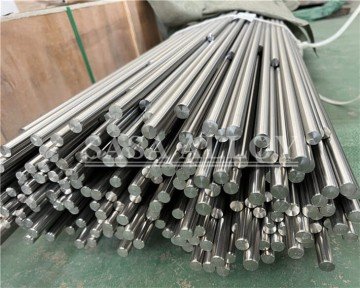
In industries that involve highly corrosive chemicals, high-temperature fluids, and challenging operational environments, material selection is critical for system safety, efficiency, and longevity. Traditionally, stainless steel has been a popular choice for its strength and general corrosion resistance. However, in highly aggressive media, stainless steel often falls short, especially under acidic or chloride-rich conditions. In such cases, Ti-0.15Pd titanium bars offer a superior solution, combining exceptional corrosion resistance, high strength, and durability.
This article explores why Ti-0.15Pd titanium bars are preferred over stainless steel for aggressive media applications. We examine chemical composition, corrosion behavior, mechanical properties, cost considerations, and industrial applications. With insights from leading suppliers like sakyalloy, this guide helps engineers, procurement teams, and designers make informed material decisions for high-performance systems.
1. Introduction to Ti-0.15Pd Titanium Bars
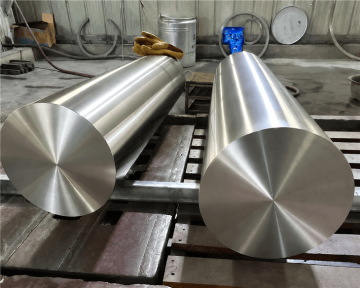
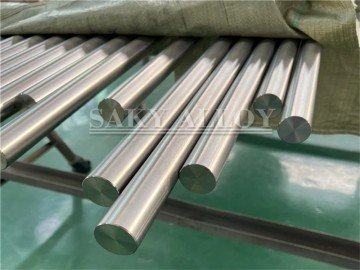
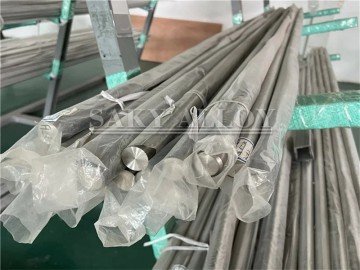
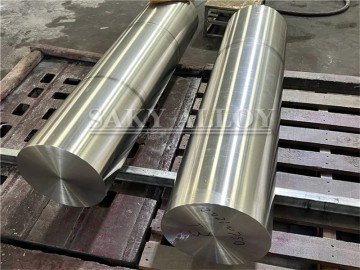
Ti-0.15Pd titanium bars are a palladium-modified titanium alloy. The addition of 0.15 percent palladium enhances titanium’s natural corrosion resistance, making it especially effective in reducing acids and chloride-rich environments. This grade combines the advantages of commercially pure titanium with the palladium modification for targeted industrial applications.
Key features of Ti-0.15Pd titanium bars include:
-
Exceptional resistance to reducing and oxidizing acids
-
High strength-to-weight ratio
-
Excellent fatigue resistance
-
Superior weldability and fabrication capabilities
-
Longevity in marine, chemical, and power generation systems
The unique combination of titanium and palladium ensures that Ti-0.15Pd bars outperform most conventional stainless steel grades when exposed to aggressive chemical media.
2. Limitations of Stainless Steel in Aggressive Media
Stainless steel, particularly austenitic grades such as 304 and 316, is widely used due to its availability, cost efficiency, and moderate corrosion resistance. However, in aggressive conditions, stainless steel faces several limitations:
2.1 Pitting and Crevice Corrosion
Stainless steel is prone to localized corrosion when exposed to chloride ions, especially in stagnant or low-oxygen conditions. Pitting and crevice corrosion can lead to rapid material degradation.
2.2 Stress Corrosion Cracking
Under tensile stress and high-chloride environments, stainless steel may develop stress corrosion cracking, which compromises structural integrity and can lead to catastrophic failure.
2.3 Limited Acid Resistance
While 316 stainless steel offers better resistance than 304, both struggle in reducing acids such as hydrochloric, sulfuric, or phosphoric acid. Long-term exposure accelerates corrosion, increasing maintenance and replacement costs.
2.4 Thermal Limitations
High-temperature applications may degrade stainless steel over time due to scaling, oxidation, and reduction in mechanical strength.
These challenges highlight the need for a more robust material, particularly in aggressive chemical or marine environments.
3. Chemical Composition of Ti-0.15Pd Titanium Bars
The addition of palladium to commercially pure titanium significantly improves corrosion resistance. The composition of Ti-0.15Pd typically includes:
-
Titanium (Ti): balance
-
Palladium (Pd): 0.15 percent
-
Oxygen (O): ≤ 0.25 percent
-
Iron (Fe): ≤ 0.30 percent
-
Other trace elements: minimal
Even this small amount of palladium dramatically enhances the material’s ability to resist reducing acids and chloride-induced corrosion. Unlike stainless steel, Ti-0.15Pd maintains a stable passive oxide layer that protects it from aggressive media.
4. Mechanical Properties Compared to Stainless Steel
Ti-0.15Pd titanium bars provide mechanical properties that often surpass stainless steel in critical applications:
| Property | Ti-0.15Pd Titanium Bars | 316 Stainless Steel |
|---|---|---|
| Tensile Strength | 340–450 MPa | 515–620 MPa |
| Yield Strength | 275–350 MPa | 205–290 MPa |
| Elongation | 20–25% | 40–50% |
| Density | 4.5 g/cm³ | 7.9 g/cm³ |
| Corrosion Resistance | Excellent in acids and chlorides | Moderate; limited in reducing media |
| Fatigue Resistance | High | Moderate |
Although stainless steel may show higher tensile strength, Ti-0.15Pd bars provide superior corrosion resistance, especially in environments where failure is driven by chemical attack rather than mechanical load.
5. Corrosion Resistance Advantages of Ti-0.15Pd
5.1 Reducing Acid Environments
Ti-0.15Pd titanium bars excel in hydrochloric, sulfuric, and phosphoric acids, where stainless steel may rapidly corrode.
5.2 Chloride-Rich Environments
High-chloride media, including seawater or industrial brines, can induce pitting and crevice corrosion in stainless steel. Ti-0.15Pd forms a self-healing oxide layer, preventing localized corrosion.
5.3 High-Temperature Acidic Media
Even at elevated temperatures, Ti-0.15Pd maintains corrosion resistance, whereas stainless steel can experience scaling, oxidation, and embrittlement.
5.4 Crevice and Galvanic Corrosion
Ti-0.15Pd bars reduce the risk of crevice corrosion and are compatible with other metals, minimizing galvanic corrosion risks in multi-metal systems.
6. Fabrication and Weldability
Ti-0.15Pd titanium bars are easier to weld and form than stainless steel in aggressive applications:
-
High ductility allows bending and shaping without cracking
-
Palladium addition does not compromise weld integrity
-
Post-weld corrosion resistance remains high
-
Machining can be performed with conventional titanium tools
In contrast, welding stainless steel in acidic environments often requires post-weld passivation and careful corrosion control to avoid localized failures.
7. Industrial Applications Where Ti-0.15Pd Outperforms Stainless Steel
7.1 Chemical Processing Plants
Ti-0.15Pd bars are used in:
-
Reactors for strong reducing acids
-
Sulfuric acid handling equipment
-
Phosphoric acid tanks and piping
Stainless steel would require costly alloys or frequent maintenance in similar conditions.
7.2 Desalination and Marine Systems
Ti-0.15Pd offers superior resistance to:
-
Seawater corrosion
-
Chloride-induced pitting
-
Thermal and chemical stress in high-salinity environments
7.3 Power and Energy
Heat exchangers and condenser tubes benefit from Ti-0.15Pd’s combination of corrosion resistance and fatigue strength, reducing downtime and replacement costs compared to stainless steel.
7.4 Pharmaceutical and Food Industries
In systems where aggressive cleaning chemicals or acidic formulations are used, Ti-0.15Pd ensures long service life and contamination-free operation.
8. Economic Considerations
While the initial cost of Ti-0.15Pd titanium bars is higher than conventional stainless steel, the long-term benefits often justify the investment:
-
Reduced maintenance and downtime
-
Extended service life
-
Minimal risk of corrosion-induced failure
-
Lower total cost of ownership in aggressive environments
In environments where stainless steel would require frequent replacement or specialized coatings, Ti-0.15Pd provides a cost-effective and reliable alternative.
9. Environmental and Safety Benefits
Ti-0.15Pd titanium bars are environmentally friendly:
-
Non-toxic and biocompatible
-
Corrosion by-products are non-hazardous
-
Minimal maintenance reduces chemical disposal
-
Supports sustainable and safe chemical processing operations
These advantages are particularly valuable in industries striving to meet strict environmental regulations.
10. Supplier Reliability and Quality Assurance
When sourcing Ti-0.15Pd bars, it is important to work with reliable suppliers who provide:
-
Certified material composition and mechanical properties
-
Traceable production records
-
Compliance with ASTM and ISO standards
-
Custom machining and bar dimensions
Suppliers like sakyalloy ensure that Ti-0.15Pd bars meet international quality standards, offering peace of mind for critical industrial applications.
11. Comparison Summary: Ti-0.15Pd vs Stainless Steel
| Feature | Ti-0.15Pd Titanium Bars | Stainless Steel |
|---|---|---|
| Corrosion in Reducing Acids | Excellent | Poor to Moderate |
| Chloride Resistance | Superior | Moderate, prone to pitting |
| High-Temperature Performance | High | Limited, prone to scaling |
| Fatigue & Ductility | High | Moderate |
| Cost | Higher upfront | Lower upfront |
| Maintenance | Low | High |
| Total Lifecycle | Longer | Shorter |
The table illustrates why Ti-0.15Pd titanium bars are the preferred material for aggressive chemical environments.
12. Conclusion
Ti-0.15Pd titanium bars outperform stainless steel in aggressive media due to their exceptional corrosion resistance, structural stability, and durability. While stainless steel is cost-effective for mild applications, its limitations in chloride-rich, acidic, or high-temperature environments make it less suitable for critical industrial systems.
Industries including chemical processing, desalination, power generation, and marine engineering benefit from the superior performance of Ti-0.15Pd titanium bars. By selecting Ti-0.15Pd, operators achieve longer service life, reduced maintenance costs, and higher system reliability. Suppliers like sakyalloy provide high-quality, certified titanium bars tailored for demanding applications, ensuring that industrial systems continue to operate efficiently and safely.
For engineers, procurement teams, and industrial designers, Ti-0.15Pd titanium bars represent a long-term, high-performance alternative to stainless steel in harsh chemical and marine environments.