
Why Titanium Bars Are Used in Advanced Prosthetics
Prosthetic technology has advanced significantly in recent decades, moving from basic functional aids to highly engineered devices that mimic the performance and appearance of natural limbs. One of the key materials driving this evolution is titanium, particularly in the form of titanium bars. Known for their strength, corrosion resistance, and biocompatibility, titanium bars have become the material of choice for many components in advanced prosthetic designs.
This article explores the reasons why titanium bars are widely used in advanced prosthetics, including their mechanical properties, safety benefits, and adaptability to cutting-edge manufacturing techniques.
The Role of Materials in Prosthetic Design
The performance of a prosthetic device depends heavily on the materials used in its construction. Prosthetic limbs must be lightweight to reduce fatigue for the wearer, yet strong enough to handle daily stresses. They must also resist corrosion, maintain structural stability over time, and, in many cases, integrate safely with the human body.
Selecting the right material involves balancing all these requirements, and titanium consistently meets these demands better than most alternatives.
What Are Titanium Bars?
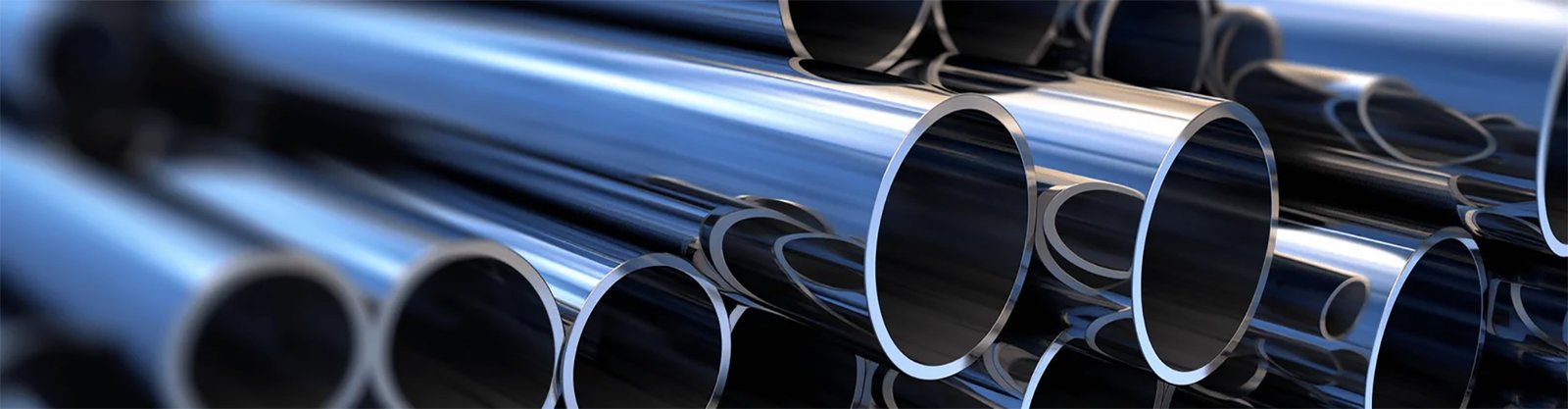
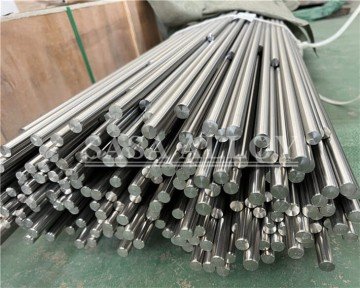
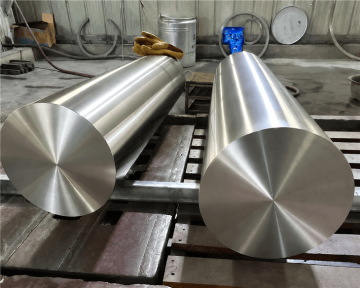
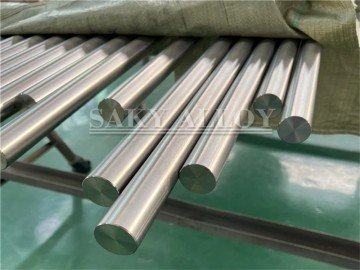
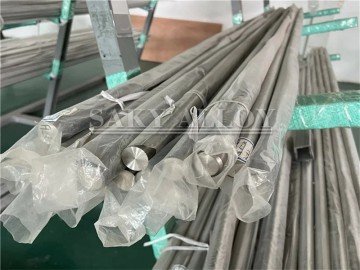
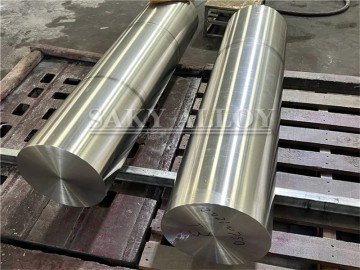
Titanium bars are solid metal rods made from titanium or titanium alloys. They can be manufactured in various diameters, lengths, and grades depending on the specific application. For prosthetics, the most common grades are Grade 2 (commercially pure titanium) and Grade 5 (Ti-6Al-4V), both known for their exceptional mechanical properties and compatibility with the human body.
Key Reasons Titanium Bars Are Used in Advanced Prosthetics
1. Exceptional Strength-to-Weight Ratio
Titanium offers the strength of steel at nearly half the weight. For prosthetic limbs, this means components that are both strong and comfortable. A lighter prosthetic reduces strain on the residual limb, improves mobility, and allows the wearer to move more naturally.
2. Corrosion Resistance
Prosthetics are exposed to moisture, perspiration, and sometimes harsh environments. Titanium’s natural oxide layer protects it from corrosion, ensuring long-term durability and reducing the need for frequent replacements.
3. Biocompatibility
One of titanium’s most important qualities is its ability to integrate with living tissue without causing allergic reactions or rejection. This property, known as osseointegration, allows titanium implants and connectors to bond directly to bone, providing a secure and stable attachment for the prosthetic.
4. Fatigue Resistance
Prosthetic limbs undergo repeated stress cycles during walking, running, or performing daily activities. Titanium’s resistance to fatigue ensures that parts maintain their performance over years of use without weakening or breaking.
5. Versatility in Manufacturing
Titanium bars can be machined, forged, or fabricated into complex shapes, making them suitable for custom prosthetic designs. Whether for structural frames, joint connectors, or specialized fittings, titanium adapts to various manufacturing techniques, including CNC machining and additive manufacturing.
Titanium vs Other Materials in Prosthetics
| Property | Titanium | Aluminum | Stainless Steel | Carbon Fiber |
|---|---|---|---|---|
| Strength-to-Weight Ratio | Excellent | Good | Moderate | Excellent |
| Corrosion Resistance | Excellent | Good | Good | Excellent |
| Biocompatibility | Excellent | Poor | Moderate | Good |
| Fatigue Resistance | Excellent | Moderate | Good | Good |
| Machinability | Moderate | Excellent | Good | Limited |
| Cost | Higher | Lower | Lower | Higher |
While materials like carbon fiber are also popular for their lightweight nature, they are usually combined with titanium for load-bearing joints and connectors. Aluminum, though lighter than steel, lacks the fatigue resistance and biocompatibility of titanium.
Applications of Titanium Bars in Advanced Prosthetics
1. Structural Frames
Titanium bars form the core support structure of many prosthetic limbs, ensuring strength and stability.
2. Joint Components
Hinges, connectors, and rotating joints made from titanium bars provide durability in moving parts.
3. Osseointegration Implants
For direct skeletal attachment, titanium bars are used to create implants that fuse with bone tissue.
4. Custom Adaptors and Fittings
Machined titanium bars allow for precise, custom-fitted adaptors to meet individual user needs.
The Role of Osseointegration in Prosthetics
Osseointegration is a groundbreaking technique in which a titanium implant is inserted directly into the bone, allowing the prosthetic limb to connect securely without the need for a traditional socket. This improves stability, reduces skin irritation, and enhances sensory feedback. Titanium bars are ideal for this process due to their biocompatibility and ability to promote bone growth on their surface.
Benefits for Prosthetic Users
-
Improved Comfort – Lightweight titanium reduces strain on muscles and joints.
-
Enhanced Mobility – Strong yet light components allow for greater range of motion.
-
Long-Term Reliability – Titanium parts require fewer replacements over time.
-
Better Fit and Function – Precision machining enables prosthetics that match the user’s anatomy.
-
Reduced Skin Issues – Osseointegration eliminates chafing caused by sockets.
Challenges in Using Titanium Bars for Prosthetics
While titanium offers numerous benefits, there are challenges:
-
Cost – Titanium is more expensive than aluminum or steel.
-
Machining Difficulty – Requires specialized tools and processes.
-
Availability – High-quality titanium bars suitable for medical use must meet strict standards.
However, the long-term advantages and improved quality of life for users often justify these costs.
Industry Trends in Titanium Prosthetics
Manufacturers are increasingly combining titanium bars with advanced composite materials for optimal performance. 3D printing technologies are also enabling the creation of custom titanium components tailored to individual users.
Leading suppliers like sakyalloy provide medical-grade titanium bars specifically designed for prosthetic applications, ensuring compliance with international quality and safety standards.
Case Study: Titanium Prosthetics in Action
Modern sports prosthetics for athletes often feature titanium bar components to withstand intense forces while keeping weight low. Veterans and amputees benefiting from osseointegration also report improved mobility and comfort with titanium-based systems compared to traditional socket designs.
Environmental and Sustainability Considerations
Titanium is 100% recyclable without losing its properties. As sustainability becomes a priority in manufacturing, titanium’s recyclability adds to its appeal for the medical and prosthetic industries.
Conclusion
Titanium bars have transformed the field of advanced prosthetics by offering unmatched strength, corrosion resistance, biocompatibility, and fatigue performance. Their use in everything from structural frames to osseointegration implants ensures that prosthetic devices are not only functional but also durable and comfortable for long-term use.
By combining innovative design with high-quality materials from trusted suppliers such as sakyalloy, the prosthetic industry continues to push boundaries, providing solutions that enhance mobility, comfort, and quality of life for users worldwide.