
Why Titanium Pipe Is the Future of Industrial Piping
Introduction
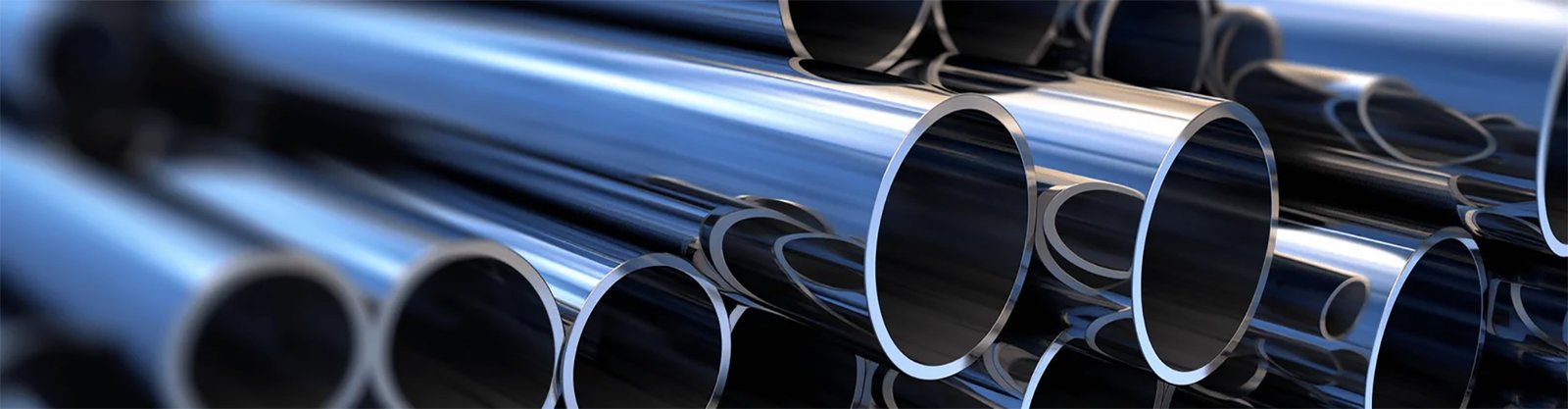
In today’s fast-evolving industrial landscape, materials that offer superior performance, durability, and sustainability are rapidly replacing traditional choices. Among these, titanium pipe has emerged as a frontrunner. While it has long been associated with aerospace and high-tech industries, titanium is now gaining widespread recognition across chemical processing, marine, energy, and medical sectors.
So, what makes titanium pipe the future of industrial piping? This article explores the material’s unmatched properties, the industries embracing it, and how suppliers like sakyalloy are making it more accessible and customizable than ever before.
The Limitations of Traditional Piping Materials
Before understanding why titanium is the future, it’s important to look at the shortcomings of conventional materials such as carbon steel, stainless steel, copper, and PVC. While these materials have served reliably in many applications, they often face serious issues in extreme environments:
-
Corrosion: Saltwater, acids, and chemicals degrade most metals over time.
-
High weight: Heavier materials increase transportation and installation costs.
-
Limited temperature range: Some materials become brittle or soft under thermal extremes.
-
Frequent maintenance: Corrosion and wear lead to shutdowns, leaks, and expensive repairs.
As industries demand more from their systems, it becomes clear that traditional piping materials can no longer meet modern standards for efficiency and sustainability.
Titanium Pipe: Engineered for the Future
Titanium brings an unparalleled combination of properties that address the above limitations and go beyond:
1. Exceptional Corrosion Resistance
Titanium forms a thin, stable oxide layer that protects it from aggressive environments. It resists:
-
Seawater and salt spray
-
Chlorine and chloride-containing solutions
-
Acids like nitric, acetic, and sulfuric
-
Hydrogen sulfide and other corrosive gases
This corrosion resistance means longer service life and fewer replacements—ideal for critical systems in marine, chemical, and oil & gas industries.
2. Strength-to-Weight Superiority
Titanium is 45% lighter than steel but with similar tensile strength. This makes it the go-to material for industries that prioritize weight reduction without sacrificing durability, such as aerospace, automotive, and pressure-sensitive piping systems.
Lower weight also means easier handling, lower transportation costs, and faster installation times.
3. High Temperature and Cryogenic Stability
Titanium maintains its structural properties over a wide temperature range—from -253°C to over 600°C. This allows it to perform in:
-
Cryogenic systems
-
Heat exchangers
-
Nuclear power plants
-
Steam transfer lines
Materials that crack or deform under thermal stress simply can’t compete.
4. Biocompatibility and Non-Toxicity
Titanium is naturally biocompatible and non-toxic, which is why it’s used in:
-
Pharmaceutical and food-grade piping
-
High-purity water systems
-
Medical equipment and surgical implants
It is safe for both human contact and processes requiring sterile, contaminant-free environments.
Industrial Sectors Leading the Titanium Revolution
Thanks to these unique benefits, titanium pipe is being adopted by industries worldwide:
● Chemical Processing
Harsh chemicals and high-pressure processes demand materials that won’t corrode, leach, or fail under extreme conditions. Titanium pipes are now widely used in acid production, caustic recovery, and fertilizer manufacturing.
● Desalination and Marine Engineering
Titanium’s ability to withstand prolonged seawater exposure makes it indispensable in desalination plants, offshore platforms, and shipbuilding. Unlike stainless steel, titanium does not pit, crevice corrode, or stress crack in salty environments.
● Aerospace and Defense
Here, weight savings translate directly into fuel efficiency and performance. Titanium pipes are used in hydraulic lines, cooling systems, and high-temperature assemblies on aircraft and spacecraft.
● Medical and Pharmaceutical
Sterile processing environments need ultra-clean, non-reactive systems. Titanium piping ensures safety, purity, and compliance with FDA and ISO 10993 standards.
● Renewable Energy and Hydrogen
With the rise of green hydrogen, titanium is becoming essential for transporting hydrogen gas safely and efficiently. Its hydrogen embrittlement resistance makes it a natural fit for future clean energy infrastructure.
Sustainability: A Core Reason for Titanium’s Future
Titanium is more than just a strong and corrosion-resistant metal—it’s also a sustainable material. Here’s why:
-
Long life span: Titanium piping can last decades with minimal maintenance.
-
Recyclability: Titanium is 100% recyclable without degradation of its properties.
-
Energy efficiency: Its light weight reduces energy costs in transport and handling.
-
Reduced chemical leakage: Corrosion-resistant pipes help prevent environmental contamination.
With ESG (Environmental, Social, and Governance) concerns at the forefront of industrial investment, choosing titanium contributes to cleaner, safer, and more responsible operations.
How sakyalloy Is Making Titanium Piping More Accessible
Despite its benefits, titanium used to be considered exotic—expensive, hard to source, and difficult to work with. That perception is changing fast thanks to suppliers like sakyalloy.
At sakyalloy, we’re making titanium pipe a practical solution by offering:
-
Custom dimensions and alloys (Grade 2, Grade 5, Grade 7, Grade 9, and more)
-
Quick turnaround and global delivery with reliable logistics
-
Strict compliance with ASTM, ASME, ISO, and PED standards
-
Full traceability and MTCs for every batch
-
Consulting support for design, welding, and application questions
Whether you’re designing for high-temperature steam, corrosive acid transfer, or cleanroom environments, sakyalloy ensures your titanium pipe performs as expected—every time.
What the Future Holds
With industries evolving and demanding better performance, lower emissions, and higher safety, titanium’s role is only expanding. We can expect to see:
-
Increased titanium use in hydrogen energy networks
-
Adoption of titanium piping in battery manufacturing and EV infrastructure
-
Broader usage in 3D-printed fluid systems for aerospace and biotech
-
Integration with composite materials for hybrid piping solutions
Engineers and procurement leaders looking for a future-proof solution are turning to titanium—not just as an option, but as a necessity.
Conclusion
The industrial world is entering a new era—one where durability, efficiency, and environmental responsibility are no longer optional. In this context, titanium pipe stands out as the ultimate material of the future.
From unbeatable corrosion resistance and weight reduction to biocompatibility and sustainability, titanium offers unmatched advantages that traditional materials simply cannot replicate. As industries innovate and regulations tighten, titanium pipe will continue to displace outdated materials and define the next generation of piping systems.
With expert manufacturers like sakyalloy leading the way, titanium pipe is no longer just a premium option—it’s the smart, strategic, and sustainable choice for the future of industrial piping.