
How to Choose a Titanium Supplier in China for Custom Parts
Introduction
Purchasing teams looking to choose a titanium supplier in China for custom parts should evaluate more than price. The right supplier must understand titanium grades, international standards, machining tolerance, surface finish, inspection documents, export packing, lead time control and order traceability. For custom titanium parts, buyers should confirm whether the supplier can support material selection, drawing review, cutting, machining, forming, welding, inspection, marking and shipment documentation before placing the order.
Titanium custom parts are used in aerospace, medical devices, chemical processing, marine equipment, heat exchangers, fasteners, valves, pumps, sports equipment and precision engineering. Common grades include Grade 2, Grade 5, Grade 7, Grade 9, Grade 12 and Grade 23. The best supplier should be able to provide suitable raw material, accurate processing, clear certificates, reliable communication and export-safe packing.
Direct buyer recommendation:
• Choose a titanium supplier that can confirm grade, standard, size, tolerance, surface finish, inspection and certificate before quotation.
• For custom parts, send drawings in PDF, STEP, DWG or CAD format with material grade, tolerance and application details.
• Request EN 10204 3.1 MTC, dimensional inspection report, PMI, UT or other tests when required by the project.
• Verify whether the supplier can control machining, surface finish, cleanliness, marking, packing and delivery schedule.
• For aerospace, medical or chemical applications, do not approve substitution without engineering and quality review.
Selection Checklist for Titanium Custom Parts Suppliers
A reliable supplier should help buyers convert drawings and application requirements into correct titanium material, manufacturing process and inspection plan. The following checklist can be used when comparing titanium suppliers in China.
| Selection Item | What Buyers Should Check | Why It Matters |
|---|---|---|
| Grade Knowledge | Grade 2, Grade 5, Grade 7, Grade 9, Grade 12, Grade 23 and equivalent standards | Wrong grade can cause strength, corrosion or compliance problems. |
| Raw Material Supply | Bar, plate, sheet, tube, pipe, wire, forged blank and cut-to-size material availability | Custom parts depend on stable raw material quality and traceability. |
| Drawing Review | Tolerance, surface finish, machining allowance, threads, holes, edges and special notes | Early review reduces misunderstanding, scrap and production delay. |
| Processing Capability | Cutting, CNC machining, turning, milling, drilling, grinding, polishing, forming or welding | Custom parts may require more than simple material supply. |
| Inspection Capability | Dimensional inspection, PMI, UT, PT, hardness, tensile, roughness and surface inspection | Inspection confirms parts meet drawing and purchase order requirements. |
| Certificate Control | EN 10204 3.1 MTC, heat number, chemical composition, mechanical properties and test reports | Traceability is essential for controlled industrial, medical and aerospace orders. |
| Export Packing | Individual wrapping, labels, wooden cases, end protection, surface protection and packing photos | Good packing prevents scratches, contamination, deformation and shipment claims. |
Common Titanium Grades for Custom Parts
Custom parts should be made from the correct titanium grade, not only from “titanium” in a general sense. Each grade has different strength, corrosion resistance, machinability and application range.
| Grade | UNS | Typical Custom Parts | Selection Note |
|---|---|---|---|
| Grade 2 | UNS R50400 | Flanges, fittings, plates, tanks, heat exchanger parts and chemical equipment parts | Commercially pure titanium with good corrosion resistance and formability. |
| Grade 5 / Ti-6Al-4V | UNS R56400 | CNC parts, aerospace components, fasteners, shafts, brackets and high-strength parts | High strength titanium alloy for precision and load-bearing components. |
| Grade 7 | UNS R52400 | Chemical processing parts, acid-service fittings, reactor parts and corrosion-resistant components | Palladium-bearing titanium for higher corrosion margin in selected environments. |
| Grade 9 / Ti-3Al-2.5V | UNS R56320 | Lightweight structures, sports parts, tubing-related parts and aerospace components | Good balance of strength, formability and lightweight performance. |
| Grade 12 | UNS R53400 | Heat exchanger parts, chemical parts, seawater-service parts and corrosion-resistant components | Titanium-molybdenum-nickel alloy with improved strength and corrosion resistance. |
| Grade 23 / Ti-6Al-4V ELI | UNS R56401 | Medical parts, surgical components, implant-related blanks and high-cleanliness precision parts | Extra-low interstitial grade; documentation and cleanliness requirements are usually stricter. |
RFQ Fields Buyers Should Include
A complete RFQ is the fastest way to receive an accurate quotation. For custom titanium parts, buyers should provide both the drawing and the order requirements. If some information is missing, the supplier should ask technical questions before quoting.
| RFQ Field | Example Requirement | Why It Matters |
|---|---|---|
| Drawing File | PDF, STEP, DWG, CAD model or detailed sketch | Defines geometry, tolerance, holes, threads, edges and machining requirements. |
| Material Grade | Titanium Grade 2, Grade 5, Grade 7, Grade 12 or Grade 23 | Prevents wrong material selection and performance mismatch. |
| Standard | ASTM B348, ASTM B265, ASTM B381, ASTM B363, AMS, ISO, EN or drawing standard | Controls material, mechanical properties and certificate requirements. |
| Quantity | Prototype quantity, trial order or batch production quantity | Affects material purchase, machining setup, unit cost and lead time. |
| Tolerance | General tolerance, critical tolerance and inspection points | Avoids overpricing or under-specifying precision parts. |
| Surface Finish | Machined, polished, pickled, blasted, anodized, passivated or Ra requirement | Controls appearance, cleanability, corrosion performance and final assembly fit. |
| Testing | PMI, UT, PT, dimensional report, hardness, tensile or third-party inspection | Confirms quality and supports customer approval. |
| Packing and Delivery | Individual wrapping, wooden case, labels, air freight, sea freight or express | Protects custom parts and helps plan project schedule. |
Supplier Verification Checklist
Before approving a titanium supplier, purchasing teams should verify actual capability and communication quality. A strong supplier should provide clear technical feedback, realistic lead time and evidence of quality control.
| Verification Item | Questions to Ask the Supplier | Evidence to Request |
|---|---|---|
| Material Traceability | Can each part be traced to heat number and MTC? | Sample MTC, marking photos, packing list and heat-number labels. |
| Custom Processing | Can you support cutting, CNC machining, turning, milling, grinding or welding? | Previous project photos, process route and inspection records. |
| Tolerance Control | What tolerance can be achieved for the required part? | Dimensional inspection report and measuring equipment information. |
| Surface Quality | Can you meet polishing, roughness, cleanliness or protective surface requirements? | Surface photos, roughness report and packing photos if needed. |
| Inspection Support | Can you provide PMI, UT, PT, hardness, tensile, dimensional or third-party inspection? | Test reports, inspection plan and third-party inspection options. |
| Export Experience | Can you pack and ship titanium custom parts internationally? | Packing photos, export marks, case details and shipment records. |
Custom Part Manufacturing Route
The production route depends on the drawing, grade and quantity. Buyers should ask the supplier to confirm the planned process route before production, especially for precision, aerospace, medical or chemical-service parts.
| Production Step | Supplier Responsibility | Buyer Confirmation |
|---|---|---|
| Drawing Review | Check material, tolerance, surface, special notes and manufacturability | Confirm critical dimensions and final application. |
| Raw Material Selection | Select suitable bar, plate, tube, forging or sheet based on drawing | Confirm grade, standard, heat number and certificate requirement. |
| Cutting and Preparation | Cut blanks with machining allowance and mark traceability | Confirm blank size and quantity before machining when needed. |
| Machining / Forming | CNC turning, milling, drilling, grinding, polishing, bending or welding | Confirm tolerance, surface finish and any process restrictions. |
| Inspection | Inspect dimensions, surface, grade, hardness or NDT according to order | Confirm inspection report format before shipment. |
| Packing and Shipment | Protect parts, label items, provide packing photos and arrange export delivery | Confirm destination, delivery term and packing requirement. |
Packaging and Lead Time Considerations
Custom titanium parts often require more careful packing than standard raw material because machined surfaces, threads, holes and sealing faces can be easily damaged during transport. Lead time also depends on material availability, machining complexity, inspection requirements and packing method.
| Item | Buyer Requirement | Supplier Confirmation |
|---|---|---|
| Surface Protection | PE bags, foam, paper, protective film or individual wrapping | Confirm packing material and whether parts will touch each other. |
| Thread / Edge Protection | Caps, sleeves, foam inserts or custom separators | Important for threaded, sealed or precision-machined parts. |
| Traceability Labels | Part number, heat number, grade, quantity and PO number | Labels should match packing list and MTC. |
| Lead Time | Prototype, trial order or batch order delivery schedule | Confirm raw material lead time, machining time, inspection time and packing time. |
| Shipment Method | Express, air freight, LCL, FCL or sea freight | Packing strength should match the transport method and product value. |
Common Buyer Mistakes
Choosing only by the lowest price: Custom titanium parts require material traceability, machining control, inspection and reliable packing. A low quote may miss important requirements.
Sending incomplete drawings: If tolerance, material, surface finish or critical dimensions are missing, the supplier may quote incorrectly.
Not confirming grade and standard: Grade 2, Grade 5, Grade 7, Grade 12 and Grade 23 are very different materials. The standard and certificate must match the application.
Forgetting inspection reports: Custom parts may need dimensional reports, PMI, UT, PT or third-party inspection, especially for controlled applications.
Ignoring export packing: Titanium custom parts can be scratched, contaminated or mixed if packing is not designed for the product.
Approving substitution without review: Titanium grade substitution should be approved by engineering and quality teams, especially for aerospace, medical and chemical service.
Not planning lead time: Custom parts may need raw material preparation, machining, inspection, document review, packing and international transport time.
FAQ
How do I choose a titanium supplier in China for custom parts?
Choose a supplier that can review drawings, recommend correct titanium grades, provide traceable raw material, support custom machining, offer inspection reports, control export packing and communicate clearly about lead time and technical requirements.
What information should I send for a custom titanium parts quotation?
Send drawings or CAD files, titanium grade, standard, quantity, tolerance, surface finish, application, testing requirement, certificate type, packing requirement and destination port or delivery address.
Which titanium grade is best for custom parts?
Grade 2 is commonly used for corrosion-resistant industrial parts. Grade 5 is used for high-strength CNC parts. Grade 7 and Grade 12 are selected for chemical service. Grade 23 is used for medical and high-cleanliness precision parts.
What documents should a titanium supplier provide?
Typical documents include EN 10204 3.1 MTC, chemical composition, mechanical properties, heat number, dimensional inspection report, PMI report, UT/PT report if required, packing list and packing photos.
Can titanium custom parts be made from bar, plate or tube?
Yes. Custom parts can be machined or fabricated from titanium bar, plate, sheet, tube, pipe, forging or wire depending on the drawing, product function and required mechanical properties.
How should custom titanium parts be packed?
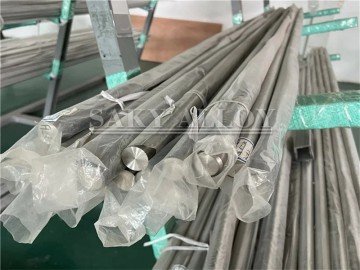
Custom titanium parts should be individually protected with PE bags, foam, paper, caps or separators, then packed in cartons or wooden cases. Labels should show part number, grade, heat number, quantity and purchase order information.
How long does custom titanium parts production take?
Lead time depends on grade, raw material availability, drawing complexity, quantity, tolerance, surface finish, inspection requirements and packing method. Prototype parts are usually faster than batch production, but high-precision or special-grade orders need more planning.
Related Titanium Products and Guides
| Related Product | Procurement Use |
|---|---|
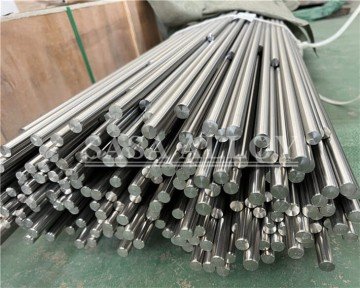
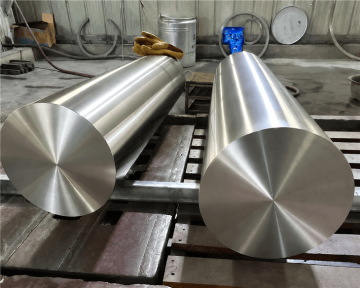
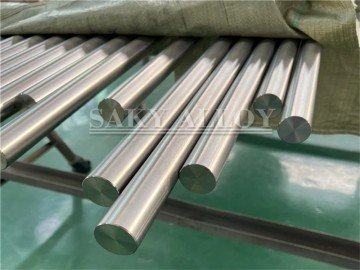
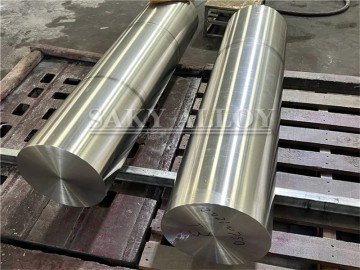
| Titanium Bar and Rod | Raw material for CNC machined titanium shafts, fasteners, fittings, spacers, brackets and custom parts. |
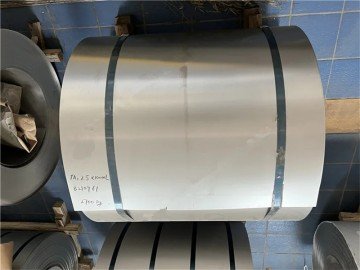
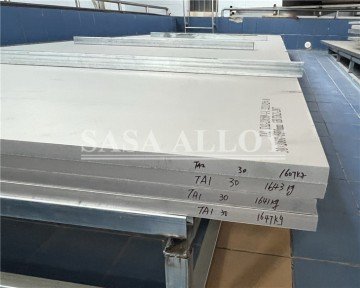
| Titanium Plate and Sheet | Titanium plate and sheet for cut parts, fabricated components, covers, brackets and equipment panels. |
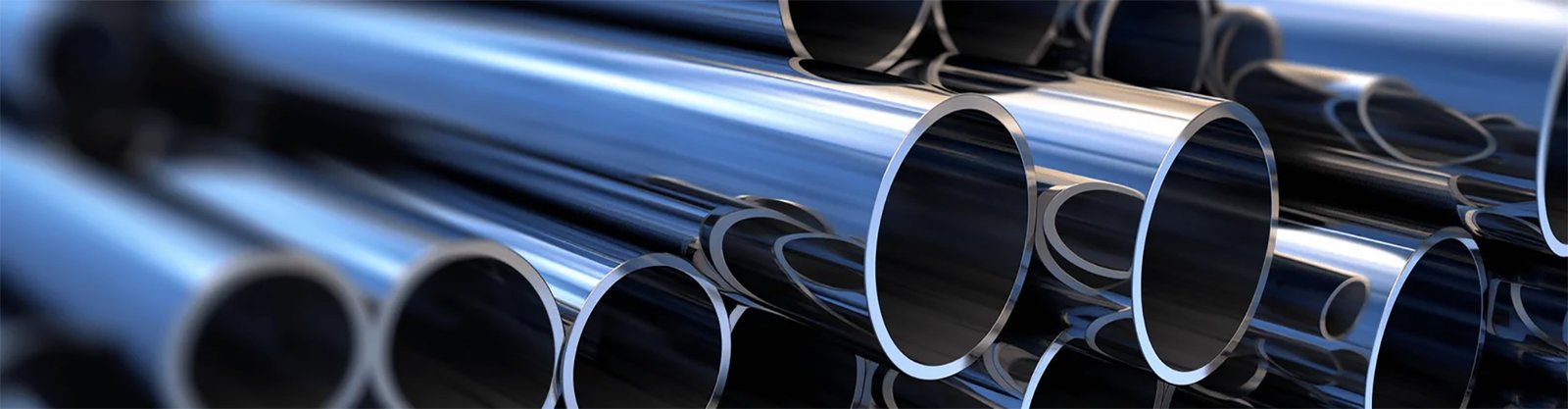
| Titanium Pipe and Tube | Titanium tube and pipe for heat exchangers, chemical systems, marine equipment and custom assemblies. |
| Titanium Fittings | Titanium elbows, tees, reducers, flanges and fittings for chemical, marine and custom piping systems. |
| Titanium Export Packing Guide | Guide to protecting titanium surfaces, preventing contamination and packing titanium products for export. |
| Titanium Bar Straightness and Tolerance Guide | Guide to titanium bar tolerance, straightness, supplier verification, packing and RFQ requirements. |
Conclusion
To choose a titanium supplier in China for custom parts, buyers should review the supplier’s grade knowledge, raw material traceability, drawing review ability, processing capability, inspection support, export packing and lead time control. The right supplier should help confirm material, standard, tolerance, surface finish, testing and documentation before production.
For custom titanium parts, clear RFQ information is essential. Buyers should send drawings, grade, standard, quantity, tolerance, surface finish, application, certificate and packing requirements. This reduces technical risk, improves quotation accuracy and helps ensure the finished parts arrive traceable, protected and ready for use.
Request Custom Titanium Parts from China
SAKY ALLOY supplies titanium Grade 1, Grade 2, Grade 5, Grade 7, Grade 9, Grade 12, Grade 23 and custom titanium bars, plates, tubes, fittings, forgings and machined parts for aerospace, medical, chemical, marine and industrial applications.
Send your drawing, grade, standard, size, tolerance, quantity, surface finish, testing requirement, certificate type and destination port for technical review and quotation.