

Titanium Export Packing: Protecting Surfaces and Preventing Contamination
Introduction
Titanium export packing is used to protect titanium bars, rods, plates, sheets, tubes, pipes, coils, wires, fittings, flanges and machined parts during sea freight, air freight, truck delivery, warehouse storage and customer receiving inspection. The main purpose is to protect titanium surfaces, prevent contamination, avoid scratches, reduce bending or deformation, preserve traceability and keep the material suitable for aerospace, medical, chemical, marine and industrial applications.
Titanium materials require careful packing because the surface can be damaged by steel contact, moisture, dust, oil, chloride contamination, rough handling or mixed-material storage. Buyers should specify packing method according to product form, surface finish, grade, application, transportation route, inspection requirement and final use. For high-value titanium orders, packing is not only a logistics detail; it is part of quality control.
Best-use recommendation:
• Use wooden cases or strong wooden pallets for export titanium plate, sheet, tube, bar, fittings and precision parts.
• Use plastic film, foam, paper, PE bags or PVC protection to protect bright, polished, ground or machined titanium surfaces.
• Use end caps for titanium tubes and pipes to prevent dust, moisture and foreign matter entering the ID.
• Use separate packing and clear labels for different grades, heat numbers, sizes and customer item numbers.
• For aerospace, medical and chemical orders, confirm packing cleanliness, traceability, MTC matching and anti-contamination requirements before shipment.
Application Scenarios for Titanium Export Packing
Different titanium products require different packing methods. A titanium round bar shipment is not packed the same way as thin titanium sheet, precision tube or polished medical bar. Packing should be selected by product form, weight, surface condition, sensitivity and transport route.
| Titanium Product | Recommended Export Packing | Protection Purpose |
|---|---|---|
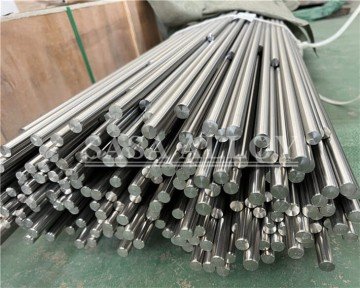
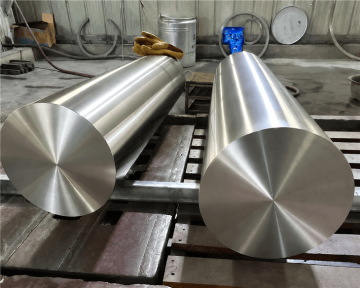
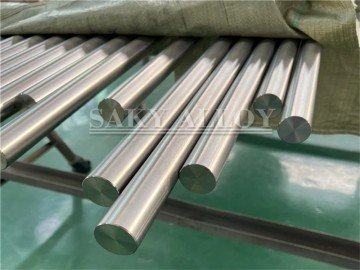
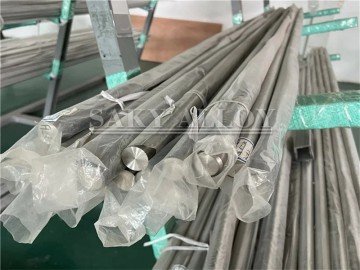
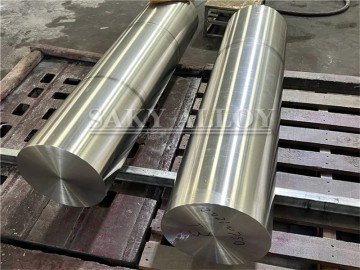
| Titanium Bar / Rod | Bundle, plastic wrapping, foam separation, wooden case or wooden pallet | Prevents bending, scratching, impact damage and heat-number mix-up. |
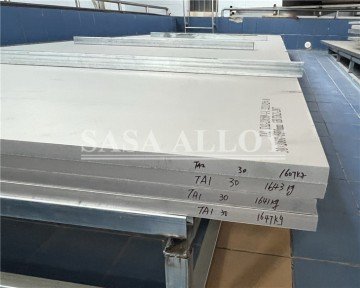
| Titanium Plate / Sheet | Protective film, waterproof paper, edge protection, wooden pallet or wooden case | Protects surface, flatness, edges and corners during handling. |
| Titanium Tube / Pipe | Plastic end caps, bundle wrapping, PE film, wooden case and internal cleanliness protection | Prevents contamination, ID blockage, end damage and surface scratches. |
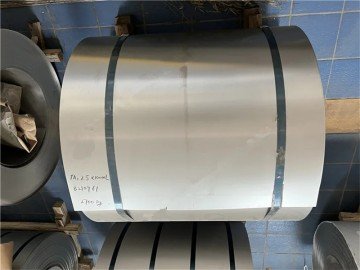
| Titanium Wire / Coil | Spool, coil wrapping, plastic bag, carton, wooden case and moisture protection | Maintains coil shape, clean surface and smooth unwinding. |
| Titanium Fittings / Flanges | Individual wrapping, sealing face protection, carton, wooden case and item labels | Protects sealing surfaces, machined faces, threads and dimensions. |
| Machined Titanium Parts | Individual PE bags, foam inserts, compartment box, carton and wooden case | Prevents collision, contamination, surface marks and mixed item numbers. |
Material Benefits of Proper Titanium Packing
Good packing helps preserve the original material quality from factory inspection to customer receiving inspection. For titanium, this is especially important because many orders are used in sensitive applications such as aerospace, medical, marine and chemical processing.
• Surface protection: reduces scratches, dents, stains, contact marks and handling damage.
• Contamination prevention: helps avoid steel particles, oil, chloride, dust, moisture and foreign matter.
• Dimensional protection: prevents bending of bars, deformation of tubes, edge damage on sheets and impact damage on machined parts.
• Traceability control: heat number, grade, size and item labels can be matched with MTC and packing list.
• Inspection support: clear labels and organized packing make receiving inspection faster and easier.
• Lower claim risk: better packing reduces transport damage, dispute, rework and customer rejection.
Recommended Packing by Titanium Grade and Application
Packing requirements can vary by titanium grade and final application. The higher the cleanliness or surface requirement, the more detailed the packing specification should be.
| Grade / Application | Typical Product Forms | Packing Focus |
|---|---|---|
| Grade 2 Industrial Titanium | Plate, bar, pipe, tube, flange and fittings | General export protection, clear labels, anti-scratch wrapping and seaworthy cases. |
| Grade 5 Aerospace Titanium | Bar, plate, forged part, fastener stock and machined blanks | Traceability, surface protection, heat-number separation and certificate matching. |
| Grade 7 / Grade 12 Chemical Service | Plate, pipe, tube, fittings, flanges and custom parts | Clean surface, anti-contamination packing and separate marking for corrosion-service grades. |
| Grade 23 Medical Titanium | Bar, wire, sheet and precision machined parts | Individual protection, clean packing, strict labels and mixed-material prevention. |
| Titanium Heat Exchanger Tubes | Straight tube, U-tube and condenser tube | End caps, ID cleanliness, anti-bending support and moisture protection. |
Packing Materials Used for Titanium Export
| Packing Material | Main Function | Typical Use |
|---|---|---|
| Plastic Film / PE Film | Protects surface from dust, moisture and light scratches | Plate, sheet, bar, tube and machined parts. |
| Foam / Soft Separator | Prevents metal-to-metal contact and impact marks | Polished bars, sheets, fittings, flanges and precision parts. |
| Waterproof Paper | Adds moisture protection for export shipping | Plate, sheet, coil, pallet and wooden case packing. |
| Plastic End Caps | Prevents tube and pipe ID contamination | Titanium tube, pipe, capillary tube and heat exchanger tube. |
| Wooden Case | Provides strong export protection and stacking support | High-value bars, tubes, sheets, fittings and machined parts. |
| Wooden Pallet | Supports heavy plates, coils and bundled materials | Titanium plate, sheet, coil and heavy bundles. |
How to Prevent Titanium Surface Contamination
Titanium is often used because of its corrosion resistance and clean surface performance. Contamination during packing or transport can reduce buyer confidence, create additional cleaning work or cause rejection for sensitive applications.
• Avoid direct contact between titanium and carbon steel tools, rusty straps or contaminated work surfaces.
• Use clean plastic film, foam, paper or soft separators between products.
• Keep titanium tubes and pipes capped to prevent dust, water and foreign matter entering the ID.
• Separate titanium from stainless steel, carbon steel, copper alloy and nickel alloy shipments when required.
• Keep heat numbers, grades and sizes separated with clear labels.
• For medical, aerospace or chemical-service titanium, request packing photos before shipment and check labels against MTC.
Limitations and Packing Risks
Even good titanium material can be damaged by poor packing. Buyers should not treat packing as a minor requirement when the shipment includes polished surfaces, thin sheets, precision tubes or long bars.
• Thin titanium sheets can be scratched, bent or corner-damaged if edge protection is weak.
• Long titanium bars can bend if bundles are not supported properly.
• Titanium tubes can become contaminated if the ends are not capped.
• Mixed heat numbers can create certificate and receiving inspection problems.
• Rough steel straps can leave marks or contamination if they directly contact titanium.
• Heavy cases may still fail if internal supports, blocking and separators are not designed correctly.
Inspection Before Shipment
Before export shipment, titanium packing should be checked together with material documents. This helps ensure the customer receives the correct material in good condition.
| Inspection Item | What to Check | Why It Matters |
|---|---|---|
| Product Marking | Grade, heat number, size, quantity and customer item number | Supports traceability and receiving inspection. |
| Surface Protection | Film, paper, foam, separators, end caps and edge protection | Prevents scratches, contamination and impact damage. |
| Case Strength | Wooden case, pallet, straps, supports and anti-movement blocks | Prevents movement, bending and transport damage. |
| Document Matching | MTC, packing list, labels, heat numbers and product quantity | Prevents certificate mismatch and customs or quality disputes. |
| Packing Photos | Photos before packing, during packing, final case and marks | Provides evidence for customer approval and shipment record. |
How to Specify Titanium Export Packing in an RFQ
A complete RFQ should include packing requirements, especially for high-value or sensitive titanium products. The following fields help suppliers quote and prepare the correct packing method.
✅ Product form: bar, plate, sheet, tube, pipe, coil, wire, fitting, flange or machined part.
✅ Grade: Grade 1, Grade 2, Grade 5, Grade 7, Grade 9, Grade 12, Grade 23 or project-specified grade.
✅ Surface condition: pickled, polished, bright, ground, machined, annealed, coated or protective-film surface.
✅ Packing type: bundle, wooden case, wooden pallet, carton, spool, PE bag or individual wrapping.
✅ Cleanliness requirement: end caps, ID cleaning, oil-free surface, dust protection or anti-contamination packing.
✅ Traceability: heat-number labels, item labels, MTC matching, bundle number and customer PO number.
✅ Transport method: sea freight, air freight, express delivery, LCL, FCL or truck delivery.
✅ Shipment record: packing photos, final case photos, marks, packing list and inspection reports.
FAQ
Why is titanium export packing important?
Titanium export packing is important because it protects surfaces, prevents contamination, avoids bending or impact damage, keeps heat-number traceability and helps the customer receive material in acceptable condition.
How should titanium bars be packed for export?
Titanium bars should be wrapped, separated, bundled securely and packed in wooden cases or strong pallets when required. Long bars need enough support points to prevent bending during transport.
How should titanium tubes be protected?
Titanium tubes should use plastic end caps, clean wrapping, bundle protection and wooden cases when needed. End caps help prevent dust, moisture and foreign matter from entering the tube ID.
How can titanium surface contamination be prevented?
Titanium surface contamination can be reduced by using clean separators, plastic film, foam, paper, end caps, dedicated packing areas and avoiding direct contact with carbon steel, rusty straps, oil or dirty work surfaces.
Should titanium materials be packed separately by heat number?
Yes. For traceable orders, titanium products should be separated or clearly labeled by heat number, grade, size and item number. This helps match the material with MTC and receiving inspection records.
What documents should be checked before shipment?
Buyers should check MTC, packing list, product labels, heat numbers, grade, size, quantity, packing photos and inspection reports. The documents should match the final packed goods.
What is the best packing for polished titanium parts?
Polished titanium parts should be individually wrapped with PE film, foam, paper or soft separators, then packed in cartons or wooden cases. The packing should prevent part-to-part collision and surface scratches.
Related Titanium Products
| Related Product | Packing and Procurement Use |
|---|---|
| Titanium Bar and Rod | Titanium round bar and rod packed with bundle protection, wooden cases and heat-number labels. |
| Titanium Plate and Sheet | Titanium plate and sheet packed with surface film, edge protection, pallets and seaworthy export cases. |
| Titanium Pipe and Tube | Titanium tubes and pipes packed with end caps, clean wrapping, bundle supports and wooden cases. |
| Titanium Wire | Titanium wire packed in coils, spools, cartons or wooden cases for clean delivery and smooth unwinding. |
| Titanium Fittings | Titanium fittings packed with sealing face protection, item labels, cartons and wooden cases. |
| Titanium Bar Straightness and Tolerance Guide | Guide to titanium bar tolerance, straightness, supplier verification, packing and RFQ requirements. |
Conclusion
Titanium export packing is essential for protecting surfaces, preventing contamination, preserving traceability and reducing transport damage. The correct packing method depends on product form, grade, surface condition, final application, transport route and customer inspection requirements.
For reliable procurement, buyers should specify packing type, surface protection, end caps, cleanliness requirements, heat-number labels, wooden case or pallet requirements and packing photo records. Clear packing requirements help ensure titanium materials arrive clean, traceable and ready for aerospace, medical, chemical, marine and industrial use.
Request Titanium Materials with Export Packing
SAKY ALLOY supplies titanium bar, plate, sheet, tube, pipe, wire, fittings, flanges and custom titanium products with export packing options for surface protection, cleanliness, traceability and seaworthy shipment.
Send the grade, product form, size, surface condition, quantity, packing requirement, certificate type and destination port for technical review and quotation.