

Titanium Bar Straightness and Tolerance: What Buyers Should Specify
Introduction
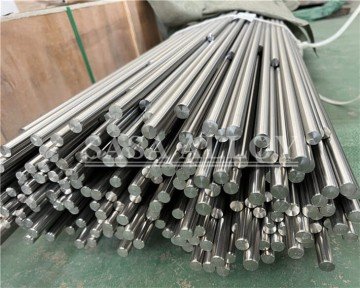
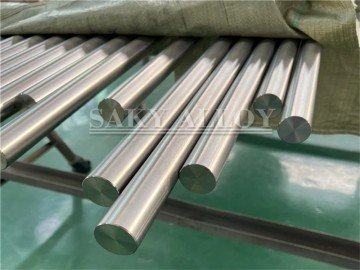
Titanium bar straightness and tolerance are important purchasing requirements for buyers sourcing titanium round bar, rod, shaft, billet, hex bar, square bar and precision-machined titanium stock. Purchasing teams looking for titanium bar straightness and tolerance suppliers should specify grade, standard, diameter tolerance, length tolerance, straightness requirement, surface condition, heat treatment, testing, certificate type and packing method before ordering.
Titanium bars are used in aerospace, medical implants, marine equipment, chemical processing, fasteners, shafts, valves, heat exchangers, sports equipment and precision CNC machining. If straightness or tolerance is not controlled, buyers may face machining vibration, excessive material removal, poor assembly fit, bending correction cost, surface damage, delayed production and rejection during incoming inspection.
Direct buyer recommendation:
• Specify titanium grade, standard, diameter, tolerance, length, straightness and surface finish in the RFQ.
• Use tighter straightness requirements for CNC machining, shafts, medical parts, aerospace components and long bars.
• Choose turned, ground or polished bars when surface and dimensional accuracy are important.
• Request EN 10204 3.1 MTC, dimensional inspection report, straightness check and PMI if project traceability is required.
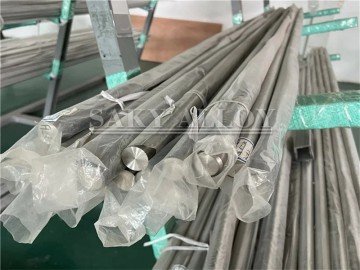
• Confirm packing method because poor bundling can bend long titanium bars during export transportation.
Why Straightness and Tolerance Matter for Titanium Bar Buyers
Titanium is strong, corrosion resistant and lightweight, but it is also more expensive than ordinary steel. Buyers usually purchase titanium bar for value-added machining or critical applications, so poor straightness or oversized tolerance can increase scrap, machining time and quality risk.
| Quality Issue | Possible Buyer Problem | Procurement Control |
|---|---|---|
| Poor straightness | CNC vibration, poor turning accuracy, shaft runout and extra straightening work | Specify maximum deviation per meter or full length. |
| Loose diameter tolerance | Excessive machining allowance, material waste and unstable part size | Define hot rolled, forged, peeled, turned, ground or polished tolerance. |
| Wrong length tolerance | Cutting loss, shortage, extra processing or assembly delay | Specify random length, fixed length or cut-to-size tolerance. |
| Surface defects | Machining rejection, crack risk, cosmetic defects or medical/aerospace nonconformity | Choose peeled, turned, ground or polished surface and request inspection. |
| Poor packing | Bent bars, scratched surfaces, mixed heat numbers and label loss | Use strong bundles, wooden cases, end protection and clear marking. |
Titanium Bar Selection Checklist
A purchasing checklist helps buyers compare suppliers fairly and prevents misunderstandings about tolerance and straightness. The checklist should be included in RFQs for titanium bar suppliers.
| Selection Item | What Buyers Should Specify | Why It Is Important |
|---|---|---|
| Grade | Grade 1, Grade 2, Grade 3, Grade 4, Grade 5, Grade 7, Grade 9, Grade 12, Grade 23 or other grade | Different grades have different strength, ductility, corrosion resistance and machinability. |
| Standard | ASTM B348, ASME SB348, AMS, ISO, EN, customer drawing or project specification | Defines chemistry, mechanical properties, product condition and certificate requirements. |
| Product Form | Round bar, rod, billet, shaft, square bar, hex bar, flat bar or forged bar | Different forms require different tolerance and surface control. |
| Diameter Tolerance | Hot rolled, forged, peeled, turned, ground or customer-specific tolerance | Controls machining allowance and final part accuracy. |
| Straightness | Maximum deviation per meter or full-length straightness requirement | Critical for shafts, CNC turning, medical parts and long bars. |
| Surface Finish | Black, pickled, peeled, turned, ground, polished or machined surface | Affects inspection, machining, corrosion cleanliness and final appearance. |
| Inspection | Dimensional report, straightness report, UT, PMI, surface inspection, hardness or tensile test | Confirms supplied bars meet order and application requirements. |
Common Titanium Bar Grades and Tolerance Focus
| Grade | UNS | Common Bar Application | Tolerance / Straightness Focus |
|---|---|---|---|
| Grade 2 | UNS R50400 | Chemical equipment, marine parts, heat exchangers, valves and general machining | Good for machined bars; specify peeled or turned surface when accuracy is important. |
| Grade 5 / Ti-6Al-4V | UNS R56400 | Aerospace, fasteners, shafts, medical, defense and high-strength parts | Use tighter diameter and straightness requirements for CNC and aerospace parts. |
| Grade 7 | UNS R52400 | Corrosion-resistant chemical and acid-service parts | Verify grade and surface cleanliness to avoid contamination in corrosion service. |
| Grade 9 / Ti-3Al-2.5V | UNS R56320 | Lightweight structures, tubing-related parts, sports and aerospace components | Confirm diameter tolerance and mechanical properties for lightweight designs. |
| Grade 12 | UNS R53400 | Heat exchangers, chemical processing, seawater and corrosion-resistant equipment | Verify Mo and Ni chemistry, straightness and surface finish for machined parts. |
| Grade 23 / Ti-6Al-4V ELI | UNS R56401 | Medical implants, surgical parts and high-cleanliness precision components | Require strict tolerance, surface, cleanliness and certificate control. |
RFQ Fields Buyers Should Include
A complete titanium bar RFQ helps suppliers quote accurately and prevents quality disputes after delivery. Buyers should avoid vague descriptions such as “titanium round bar with good tolerance” and instead provide measurable requirements.
| RFQ Field | Example Requirement | Supplier Confirmation Needed |
|---|---|---|
| Material Grade | Titanium Grade 5 / Ti-6Al-4V / UNS R56400 | Confirm grade, UNS number and applicable material standard. |
| Standard | ASTM B348 / ASME SB348 / AMS or drawing requirement | Confirm standard scope and certificate compliance. |
| Size | Diameter 25 mm × length 3000 mm | Confirm OD tolerance, length tolerance and available stock/production size. |
| Tolerance | Turned tolerance, ground tolerance or custom tolerance by drawing | Confirm actual production tolerance, not only nominal size. |
| Straightness | Maximum deviation per meter or total length | Confirm inspection method and achievable straightness. |
| Surface Finish | Peeled, turned, ground, polished, pickled or black surface | Confirm roughness, defect removal and protective packing if needed. |
| Inspection | MTC, PMI, UT, dimensional report, straightness report, surface inspection | Confirm included tests and additional test cost if any. |
| Packing | Bundle, wooden case, PVC protection, end caps, heat-number labels | Confirm anti-bending and anti-scratch export packing. |
Diameter Tolerance and Surface Condition Options
Titanium bar tolerance depends strongly on the production route. Hot rolled or forged bars are suitable for general machining with larger allowance. Peeled, turned, ground and polished bars are better for precision machining or direct-use shaft applications.
| Surface / Process | Typical Use | Tolerance and Straightness Note |
|---|---|---|
| Hot Rolled Bar | General fabrication and machining stock | Lower cost but wider tolerance and rougher surface. |
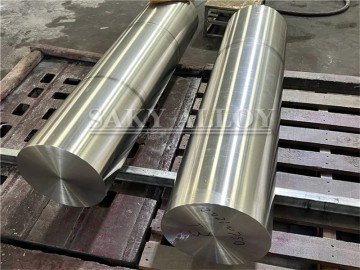
| Forged Bar | Large diameter bars, aerospace stock and high-strength components | Good for heavy sections; machining allowance should be defined. |
| Peeled Bar | Machining stock requiring improved surface and size consistency | Better surface than black bar and more stable size control. |
| Turned Bar | CNC turning, shaft blanks, precision components and clean surface requirements | Suitable when tighter diameter tolerance is required. |
| Ground Bar | Precision shafts, medical parts, aerospace components and high-accuracy machining | Best option for tight tolerance and improved surface finish. |
| Polished Bar | Visible parts, medical, marine and corrosion-sensitive components | Specify roughness, scratch limit and protective packaging. |
Supplier Verification Checklist
When selecting titanium bar straightness and tolerance suppliers, buyers should verify both production capability and inspection capability. A low price is not useful if the supplier cannot control straightness, surface or certificate traceability.
| Supplier Check | What to Ask | Evidence to Request |
|---|---|---|
| Grade Supply Capability | Can the supplier provide Grade 2, Grade 5, Grade 7, Grade 12 or Grade 23? | MTC samples, stock list, production records and previous order photos. |
| Tolerance Capability | What tolerance can be achieved for peeled, turned or ground bars? | Dimensional report and measuring equipment records. |
| Straightness Control | How is straightness measured and corrected before packing? | Straightness inspection report and photos or videos of inspection. |
| Testing Capability | Can the supplier provide UT, PMI, tensile, hardness and surface inspection? | Test reports, third-party inspection reports and equipment information. |
| Traceability Control | Can each bar or bundle be matched with heat number and MTC? | Marking photos, labels, packing list and certificate copy. |
| Export Packing | How will long bars be protected from bending and scratches? | Packing drawings, packing photos and container loading photos. |
Inspection and Certificate Requirements
Titanium bar inspection should confirm both material quality and dimensional quality. For precision orders, buyers should request a dimensional report and straightness report in addition to the standard MTC.
| Document / Test | What It Confirms | When to Request |
|---|---|---|
| EN 10204 3.1 MTC | Grade, heat number, chemistry, mechanical properties, standard and traceability | Recommended for most titanium bar orders. |
| Dimensional Report | Diameter, length, tolerance, ovality and measured dimensions | Required for precision machining and tolerance-controlled orders. |
| Straightness Report | Measured bar straightness and acceptance conclusion | Important for long bars, shafts and CNC turning stock. |
| PMI Report | Positive material identification and grade verification | Recommended for mixed-grade shipments and critical projects. |
| UT Report | Internal soundness of bar or billet | Request for aerospace, medical, large-diameter or critical machined parts. |
| Surface Inspection | Scratches, pits, cracks, dents, oxide, peeling marks and surface cleanliness | Important for polished, medical, marine and precision bars. |
| Third-Party Inspection | Independent verification of dimensions, documents, marking, packing and test results | Useful for high-value, aerospace, medical or customer-controlled orders. |
Packaging Requirements for Straight Titanium Bars
Straightness can be lost during transportation if packing is weak. Long titanium bars should be supported properly and protected from bending, collision, surface scratching and mixed heat-number risk.
| Packing Method | Suitable Products | Protection Focus |
|---|---|---|
| Bundle Packing | Standard titanium round bars, rods and long products | Use strong straps, soft separators and enough support points. |
| Wooden Case | Ground bars, polished bars, medical bars and precision short bars | Better anti-scratch and anti-bending protection for high-value items. |
| PVC / Plastic Protection | Bright, polished, ground and turned bars | Protects clean surface from scratches, dust and handling marks. |
| End Protection | Cut-to-size bars, shafts and machined blanks | Prevents end damage, denting and contamination. |
| Heat-Number Labels | All traceable titanium bar shipments | Keeps MTC, packing list and product marking consistent. |
Lead Time Factors Buyers Should Confirm
Lead time depends on grade, size, tolerance, surface process, testing and packing. A standard black titanium bar may ship faster than a ground bar with tight straightness, UT and third-party inspection.
• Stock availability for the required grade and diameter.
• Production route: rolled, forged, peeled, turned, ground or polished.
• Required straightening and dimensional inspection.
• Additional testing such as UT, PMI, hardness, tensile or third-party inspection.
• Cut-to-size processing, marking and special labels.
• Wooden case packing or export seaworthy packing.
• Delivery terms, destination port, air freight or sea freight schedule.
Common Buyer Mistakes
Ordering only by diameter: Diameter alone does not define tolerance, straightness, surface finish, length or inspection requirements.
Not defining straightness: “Straight bar” is not a measurable requirement. Buyers should specify deviation per meter or total length.
Choosing black bar for precision machining: Black hot rolled or forged bar may need more machining allowance than peeled, turned or ground bar.
Ignoring packing: Long titanium bars can bend during transport if they are not supported correctly.
Not requesting dimensional reports: For tolerance-controlled orders, a dimensional inspection report helps avoid disputes after arrival.
Mixing heat numbers without traceability: Titanium bars for aerospace, medical or chemical projects should be traceable to MTC and heat number.
Comparing price without surface condition: Black, peeled, turned, ground and polished bars have different cost, tolerance and processing time.
FAQ
What is titanium bar straightness?
Titanium bar straightness describes how much a bar deviates from a straight line over a specified length. It is usually checked by measuring maximum bow or deviation per meter or across the full bar length.
Why is straightness important for titanium round bars?
Straightness is important because bent bars can cause CNC vibration, shaft runout, excessive machining allowance, poor assembly fit and additional straightening cost. It is especially important for long bars and precision-machined parts.
Which titanium bar surface gives the best tolerance?
Ground titanium bars usually offer the best diameter accuracy and surface finish. Turned bars also provide tighter tolerance than black or hot rolled bars. The correct choice depends on final machining and cost requirements.
What should be included in a titanium bar RFQ?
A titanium bar RFQ should include grade, standard, diameter, length, diameter tolerance, straightness requirement, surface finish, quantity, certificate type, testing requirement, packing method and delivery destination.
Do titanium bars need ultrasonic testing?
Ultrasonic testing may be required for aerospace, medical, large-diameter, forged or critical machined titanium bars. Buyers should clearly state UT requirements in the purchase order if needed.
How should titanium bars be packed for export?
Titanium bars should be packed in strong bundles or wooden cases with surface protection, end protection, moisture protection, heat-number labels and enough support points to prevent bending during transportation.
Can a supplier provide custom straightness and tolerance?
Yes. Custom straightness and tolerance may be available through peeling, turning, grinding, polishing and straightening processes. Buyers should provide measurable requirements and confirm capability before placing the order.
Related Titanium Products and Guides
| Related Product | Procurement Use |
|---|---|
| Titanium Bar and Rod | Titanium round bar, rod and billet for machining, aerospace, medical, marine and chemical applications. |
| Grade 2 Titanium Products | Commercially pure titanium bars and materials for corrosion-resistant industrial applications. |
| Grade 5 Titanium Products | Ti-6Al-4V titanium bars for high-strength aerospace, medical, fastener and precision machining parts. |
| Grade 7 Titanium Products | Palladium-containing titanium for chemical and acid-service corrosion-resistant components. |
| Titanium Tube for Condensers Guide | Guide to titanium tube size, wall thickness, testing, certificate and quality inspection requirements. |
| Titanium Welding Guide | Technical guide for titanium welding, shielding gas, cleanliness and defect control. |
Conclusion
Titanium bar straightness and tolerance should be specified clearly before ordering, especially for aerospace, medical, shaft, CNC machining and precision assembly applications. Buyers should define grade, standard, diameter tolerance, length tolerance, straightness, surface finish, inspection scope, certificate requirement and packing method in the RFQ.
For supplier selection, purchasing teams should verify tolerance capability, straightness inspection method, surface process, testing capability, traceability control and export packing quality. A complete specification reduces machining risk, prevents quality disputes and helps ensure titanium bars arrive straight, traceable and ready for production.
Request Titanium Bar Straightness and Tolerance Support
SAKY ALLOY supplies titanium Grade 1, Grade 2, Grade 5, Grade 7, Grade 9, Grade 12 and Grade 23 bars, rods and billets with options for peeled, turned, ground, polished, cut-to-size and tolerance-controlled supply.
Send the grade, standard, diameter, length, tolerance, straightness requirement, surface finish, quantity, inspection requirement, certificate type and destination port for technical review and quotation.