
Titanium for Chemical Equipment: Resistance to Chlorides and Acids
Introduction
Titanium for Chemical Equipment is used in heat exchangers, reactors, evaporators, pressure vessels, piping, pumps, valves, anodes and tank linings where chlorides, oxidizing acids or wet chlorine can cause rapid failure of conventional metals. Grade 2 is the standard starting material for neutral chloride solutions, seawater, wet chlorine and many oxidizing chemical environments. Grade 7 offers a larger corrosion margin in acidic or crevice-prone service, while Grade 12 combines higher strength with improved resistance in selected reducing-acid and chloride conditions.
Titanium is not universally resistant to every acid. Its performance depends on the stability of a thin titanium-oxide passive film. Oxygen, ferric ions, cupric ions, nitric acid and other oxidizing species can support passivation, while hot oxygen-depleted hydrochloric or sulfuric acid may dissolve the protective film. Hydrofluoric acid and fluoride-containing solutions are particularly hazardous because fluoride ions attack titanium oxide directly.
Key Takeaways:
• Choose Grade 2 for general chlorides, seawater, wet chlorine, nitric acid and oxidizing chemical service.
• Consider Grade 7 for hot acidic chloride solutions, gasketed joints and conditions with an increased crevice-corrosion risk.
• Consider Grade 12 when higher strength and broader resistance to selected reducing media are required.
• Do not specify titanium from acid name alone; concentration, temperature, aeration, impurities, flow and crevice geometry must be reviewed together.
Why Titanium Resists Chemical Corrosion
Passive Oxide Film
Titanium reacts rapidly with oxygen and moisture to form a thin, adherent oxide layer. This film separates the base metal from the process fluid and can reform after minor mechanical damage when enough oxidizing potential is available. The passive film explains titanium’s strong resistance to many chloride solutions despite the aggressive effect chlorides have on stainless steels.
The film is stable in many neutral and oxidizing solutions but less stable in strongly reducing acids. Corrosion performance may change sharply when temperature rises, oxygen is removed or the solution becomes concentrated beneath a deposit or gasket.
Resistance to Chloride Pitting
Commercially pure titanium generally provides strong resistance to pitting in seawater, brines, sodium chloride and many metal-chloride solutions. This makes it valuable for chlor-alkali plants, brine heaters, seawater coolers, bleach systems and chloride-bearing process streams.
Crevice corrosion is normally the more important limitation. Under tight gaskets, deposits or shielded metal surfaces, oxygen can become depleted and acidity can increase. Grade 7 or another corrosion-enhanced titanium grade may be justified where Grade 2 has insufficient margin.
Effect of Oxidizing Species
Oxidizing ions can improve titanium performance in otherwise aggressive reducing acids. Ferric chloride, cupric ions, dissolved oxygen and nitric acid may help maintain passivity. This is why the complete process chemistry matters: technically similar hydrochloric-acid streams may produce very different corrosion rates when their impurity and oxidation conditions differ.
Titanium Chemical Equipment Product Data
| Specification Item | Typical Options | Buyer Check |
|---|---|---|
| Grades | Grade 1, Grade 2, Grade 7, Grade 11, Grade 12 and project-approved grades | Select from actual fluid chemistry and temperature rather than strength alone. |
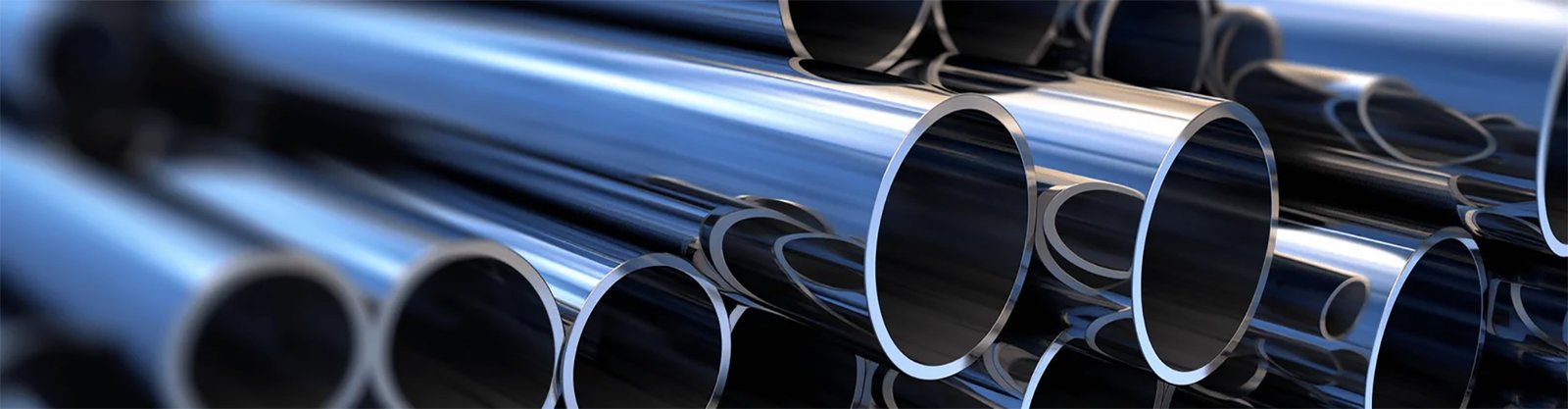
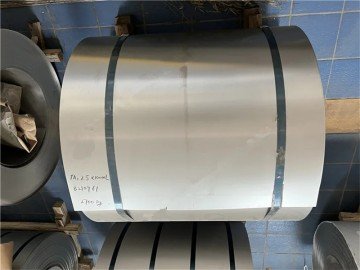
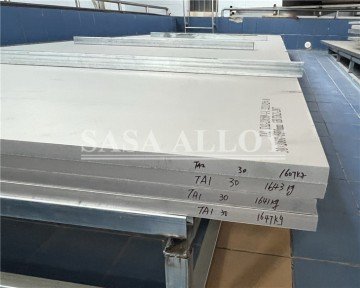
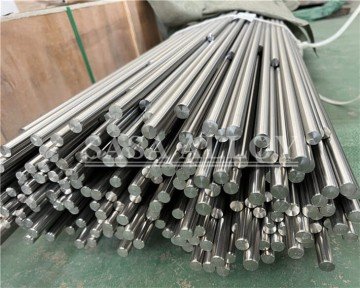
| Product Forms | Plate, sheet, seamless pipe, welded pipe, heat-exchanger tube, fittings and forgings | Match the product form to the correct ASTM or ASME specification. |
| Equipment Types | Reactors, vessels, condensers, evaporators, columns, pumps, valves and piping | Define pressure, temperature, vacuum and cyclic-service conditions. |
| Surface | Pickled, blasted, machined, polished or cleaned | Control iron contamination, embedded particles and fabrication residues. |
| Construction | Solid titanium, titanium-lined steel or titanium-clad steel | Compare pressure load, vessel size, fabrication route and lifecycle cost. |
| Documentation | MTC, EN 10204 3.1, PMI, NDT, dimensional and heat-treatment reports | List all required certificates before manufacturing begins. |
Recommended Titanium Grades
| Grade | UNS | Main Benefit | Typical Chemical Use |
|---|---|---|---|
| Grade 1 | R50250 | Maximum ductility and formability | Deep-formed linings, complex vessel parts and low-pressure fabricated equipment. |
| Grade 2 | R50400 | Balanced corrosion resistance, weldability and availability | Chlorides, wet chlorine, nitric acid, seawater, oxidizing salts and general chemical equipment. |
| Grade 7 | R52400 | Grade 2 base with palladium-enhanced repassivation | Hot acidic chlorides, reducing acids and crevice-prone equipment. |
| Grade 11 | R52250 | Grade 1-type ductility with palladium addition | Deep-formed corrosion-resistant components requiring improved crevice performance. |
| Grade 12 | R53400 | Higher strength with nickel and molybdenum additions | Process piping, heat exchangers and selected reducing-acid or hot-brine service. |
Chemical Composition Reference
The following composition details are general references. Final acceptance must follow the ordered specification and batch-specific material certificate.
| Grade | Principal Composition Character | Corrosion Effect |
|---|---|---|
| Grade 1 | Commercially pure titanium with low oxygen and iron | Supports high ductility for linings and complex forming. |
| Grade 2 | Commercially pure titanium with controlled oxygen and iron | Standard industrial balance for chloride and oxidizing service. |
| Grade 7 | Grade 2-type titanium with approximately 0.12-0.25% palladium | Improves passivity in selected reducing and crevice conditions. |
| Grade 11 | Grade 1-type titanium with approximately 0.12-0.25% palladium | Combines improved corrosion resistance with high formability. |
| Grade 12 | Approximately 0.6-0.9% nickel and 0.2-0.4% molybdenum | Adds strength and broadens resistance in selected process environments. |
Resistance to Chlorides and Acids
| Chemical Environment | Titanium Performance Direction | Selection Note |
|---|---|---|
| Neutral Chloride Solutions | Generally excellent resistance | Grade 2 is commonly suitable; evaluate crevices and temperature. |
| Wet Chlorine and Hypochlorite | Often strong resistance when moisture is present | Dry chlorine conditions require separate review because moisture supports passivation. |
| Nitric Acid | Generally favorable because nitric acid is oxidizing | Concentration, temperature and contamination still control suitability. |
| Hydrochloric Acid | Limited in hot or oxygen-depleted reducing conditions | Grade 7 or 12 may improve performance; laboratory corrosion review is recommended. |
| Sulfuric Acid | Highly dependent on concentration, temperature and oxidizing species | Do not assume general resistance without process-specific data. |
| Hydrofluoric Acid or Fluorides | Generally unsuitable or severely restricted | Fluoride attacks the protective titanium-oxide film. |
| Organic Acids | Often favorable in aerated or oxidizing conditions | Review water content, contaminants and reducing conditions. |
Applications in Chemical Plants
| Application | Recommended Starting Grade | Critical Engineering Check |
|---|---|---|
| Chlor-Alkali Heat Exchangers | Grade 2 or Grade 7 | Wet chlorine, brine purity, crevices and tube-to-tube-sheet joints. |
| Bleach and Hypochlorite Systems | Grade 2 | Concentration, temperature, deposits and wetted condition. |
| Acid Reactors and Vessels | Grade 7 or Grade 12 after corrosion review | Acid concentration, aeration, impurities, agitation and temperature. |
| Evaporators and Condensers | Grade 2 or Grade 7 | Concentration changes, boiling conditions, deposits and cleaning chemicals. |
| Chemical Transfer Piping | Grade 2 or Grade 12 | Pressure, flow, erosion, dead legs, gasket design and joining method. |
| Pump and Valve Components | Grade 2, Grade 7 or Grade 12 | Cavitation, wear, galling, crevices and mechanical load. |
Product Standards and Specification Checks
| Product Form | Common ASTM Reference | Typical Use |
|---|---|---|
| Sheet and Plate | ASTM B265 | Vessels, tube sheets, covers, linings and fabricated equipment. |
| Heat-Exchanger Tube | ASTM B338 | Condensers, evaporators, coolers and process heat exchangers. |
| Seamless Pipe | ASTM B861 | Pressure piping and corrosion-resistant process lines. |
| Welded Pipe | ASTM B862 | Large-diameter chemical transfer and low-to-moderate pressure piping. |
| Welding Fittings | ASTM B363 | Elbows, tees, reducers, caps and stub ends. |
| Forgings and Flanges | ASTM B381 | Flanges, rings, hubs and pressure-component forgings. |
Limitations and Common Design Risks
Reducing acids: Hot hydrochloric and sulfuric acids can attack Grade 2 rapidly when oxidizing species are insufficient. Grade 7 or Grade 12 may increase the acceptable operating range, but they do not make titanium universally resistant.
Fluoride contamination: Even relatively small fluoride additions can damage the passive film. Hydrofluoric acid, acidic fluoride cleaners and fluoride-bearing process impurities require specialist review.
Crevice corrosion: Gaskets, lap joints, deposits and stagnant zones can create oxygen-depleted local chemistry. Crevice design, gasket material and cleaning access should be considered during equipment engineering.
Hydrogen absorption: Strong cathodic polarization, reducing conditions or galvanic contact can promote hydrogen entry. This may reduce ductility if sufficient hydride forms.
Dry chlorine: Titanium performs differently in wet and dry chlorine. Moisture generally supports passivation, while dry chlorine service requires a separate safety and compatibility review.
Galling and wear: Titanium has limited sliding-wear resistance. Valve stems, threads and rotating components may need surface treatment, lubrication or compatible mating materials.
Inspection, Traceability and Fabrication Control
Heat-number control should connect every plate, pipe, tube, fitting and forging to its original production heat and processing lot. Product markings, package labels, packing lists and the MTC should show consistent identification. Cut material requires transferred markings or controlled traceability records.
An EN 10204 3.1 MTC can document the grade, standard, chemistry, mechanical properties, condition and dimensions. PMI can help distinguish Grade 2, Grade 7 and Grade 12, although complete chemistry and low-level palladium confirmation may require laboratory analysis.
UT may be specified for thick plate, forged tube sheets or critical large-section products. Heat-exchanger tube is more commonly examined by eddy-current testing, pressure testing and dimensional inspection. Welded equipment may require liquid penetrant, radiographic or leak testing according to the fabrication code and approved inspection plan.
Titanium must be welded with effective inert-gas shielding. Blue, grey or powdery weld discoloration may indicate atmospheric contamination while the weld was hot. Dedicated tools, clean gloves and separated fabrication areas reduce iron pickup and embedded contamination.
Chemical Equipment RFQ Checklist
✅ State the complete process fluid, concentration and expected impurities.
✅ Provide normal, startup, cleaning and upset temperatures.
✅ Define pressure, vacuum, flow velocity and agitation conditions.
✅ Identify the grade, product form and ASTM or ASME specification.
✅ Describe gaskets, deposits, dead legs and potential crevice locations.
✅ State whether solid titanium, lining or titanium-clad steel is required.
✅ Request EN 10204 3.1 MTC, PMI, UT, PT, RT or eddy-current reports as applicable.
✅ Define marking, flange-face protection, seaworthy packaging and destination port.
FAQ
Which titanium grade is most common for chemical equipment?
Grade 2 is the normal starting choice because it provides good corrosion resistance, weldability, formability and availability for chloride solutions, wet chlorine, nitric acid and many oxidizing chemical environments.
When should Grade 7 be selected instead of Grade 2?
Grade 7 should be considered when hot acidic chlorides, reducing acids, oxygen-depleted crevices or gasketed joints create conditions in which Grade 2 may not remain reliably passive. A process-specific corrosion review is still required.
Is titanium resistant to hydrochloric and sulfuric acid?
Titanium resistance to hydrochloric and sulfuric acid depends strongly on concentration, temperature, aeration and oxidizing impurities. Grade 2 may be unsuitable in hot reducing solutions, while Grade 7 or Grade 12 can improve performance in selected conditions.
Can titanium be used with hydrofluoric acid?
Titanium is generally not selected for hydrofluoric acid or aggressive fluoride-containing solutions because fluoride ions attack its protective oxide film. Any fluoride exposure requires specialist material review.
Related Titanium Products and Guides
| Related Resource | Procurement Relevance |
|---|---|
| Titanium Pipe and Tube | Seamless pipe, welded pipe and heat-exchanger tube for chemical transfer, cooling and condensation. |
| Titanium Plate and Sheet | Plate and sheet for reactors, vessels, tube sheets, linings and fabricated chemical equipment. |
| Titanium Fittings | Elbows, tees, reducers and other corrosion-resistant piping components. |
| Titanium Pipe and Tube for Chemical Processing | Additional guidance on pipe, tube, wall thickness, standards and chemical-processing applications. |
Conclusion
Titanium provides long-term corrosion resistance in chloride-rich, oxidizing and wet-chlorine chemical environments when its passive oxide film remains stable. Grade 2 covers many general plant applications, Grade 7 provides a larger margin in acidic and crevice-prone service, and Grade 12 adds strength with broader resistance in selected process streams. Reliable selection requires complete chemistry and operating data rather than a simple acid name or chloride concentration.
Request a Titanium Chemical Equipment Material Review
Contact SAKY ALLOY for Grade 2, Grade 7, Grade 11 and Grade 12 titanium plate, pipe, heat-exchanger tube, fittings, flanges and fabricated components with EN 10204 3.1 MTC, heat-number traceability, PMI, UT, PT and third-party inspection support.
Send the process fluid, concentration, impurities, operating temperature, pressure, product form, grade, standard, dimensions, test requirements, quantity and destination port for technical review and quotation.