
Titanium for Desalination Plants: Pipe, Tube and Plate Selection
Introduction
Titanium for Desalination Plants is primarily used in seawater intake piping, heat-exchanger tubes, condensers, evaporators, brine systems, tube sheets, pressure components and corrosion-resistant plate equipment. Grade 2 commercially pure titanium is the normal starting choice because it combines seawater corrosion resistance, weldability and practical fabrication. Grade 7 or Grade 11 may be specified where crevice corrosion, low-pH brine, elevated temperature or more aggressive chemical conditions make Grade 2 insufficient.
Key Takeaways: ASTM B338 titanium tube is generally selected for condensers, evaporators and heat exchangers. ASTM B861 seamless pipe or ASTM B862 welded pipe is used for process piping and brine transport. ASTM B265 plate is used for tube sheets, vessel lining, covers, channels and fabricated equipment. The correct product depends on pressure, temperature, chloride concentration, oxygen level, flow velocity, crevice geometry, fabrication method and lifecycle cost.
Titanium performs well because its stable oxide film reforms rapidly in oxygenated seawater. It is not immune to every desalination condition. Hot stagnant brine, tight deposits, reducing conditions, galvanic coupling and poorly designed crevices can still create localized risks. Material selection must therefore consider the complete process stream rather than treating all desalination water as equivalent.
Where Titanium Is Used in Desalination Plants
Desalination facilities handle raw seawater, filtered seawater, heated seawater, concentrated brine, cleaning chemicals and treated product water. Each section has a different corrosion, pressure and temperature profile.
| Plant Area | Typical Titanium Product | Main Selection Requirement |
|---|---|---|
| Seawater Intake and Transfer | Seamless or welded titanium pipe, fittings and flanges | Pressure, diameter, erosion control, joining method and galvanic isolation. |
| MED and MSF Evaporators | Titanium heat-exchanger tube, plate and tube sheet | Heat transfer, scaling, hot brine chemistry and tube-to-tube-sheet joining. |
| RO High-Pressure Systems | Titanium pipe, connectors, manifolds and machined parts | Pressure rating, fatigue, chloride resistance and compatible sealing materials. |
| Brine Discharge | Pipe, plate, lining and fabricated components | Concentrated salts, temperature, deposits and flow velocity. |
| Chemical Cleaning Systems | Pipe, valves, fittings and plate components | Acid type, concentration, oxidizing condition, exposure time and temperature. |
Why Titanium Performs Well in Seawater
Stable Passive Oxide Film
Titanium forms a thin, adherent oxide film when oxygen and moisture are present. This passive layer isolates the underlying metal from chloride-rich water and reforms after minor mechanical damage. The mechanism gives titanium strong resistance to general seawater corrosion, pitting and chloride stress-corrosion cracking under many typical desalination conditions.
Resistance to Flowing Seawater
Titanium can tolerate comparatively high seawater velocities when flow is controlled and solids do not create severe impingement. This permits compact heat-exchanger designs and efficient piping arrangements. Sudden flow changes, sand, cavitation and local turbulence should still be reviewed because erosion-corrosion performance depends on actual hydraulic conditions.
Low Density and Heat-Transfer Value
Titanium has a density of approximately 4.5 g/cm³, substantially lower than many nickel alloys. Thin-wall titanium tubing can therefore reduce equipment weight while maintaining corrosion resistance. Although titanium has lower thermal conductivity than copper alloys, its corrosion resistance allows thin walls and cleaner long-term heat-transfer surfaces in suitable desalination systems.
Recommended Titanium Grades
| Grade | UNS | Material Benefit | Recommended Use |
|---|---|---|---|
| Grade 1 | R50250 | Highest ductility among common commercially pure grades | Deep-formed plate components and low-strength fabricated parts. |
| Grade 2 | R50400 | Balanced strength, weldability, availability and seawater resistance | Standard desalination pipe, heat-exchanger tube, plate and fittings. |
| Grade 7 | R52400 | Grade 2-type base chemistry with palladium-enhanced corrosion resistance | Hot brine, low-pH environments and severe crevice conditions. |
| Grade 11 | R52250 | Grade 1-type ductility with a lower palladium addition | Formed plate and tube applications needing enhanced crevice resistance. |
| Grade 12 | R53400 | Higher strength with nickel and molybdenum additions | Process piping and equipment requiring stronger mechanical properties. |
Grade 5 Ti-6Al-4V is not normally the first choice for routine seawater heat-exchanger service. It may be used for high-strength fasteners, shafts or machined components where mechanical loading is more important than formability and economical tube production.
Chemical Composition Reference
| Grade | Principal Composition Character | Selection Effect |
|---|---|---|
| Grade 1 | Commercially pure titanium with low oxygen content | Maximum ductility and formability with lower strength. |
| Grade 2 | Commercially pure titanium with controlled oxygen and iron | Standard balance for seawater equipment and welded fabrication. |
| Grade 7 | Grade 2-type titanium with approximately 0.12-0.25% Pd | Improves passivity in selected reducing and crevice conditions. |
| Grade 11 | Grade 1-type titanium with controlled palladium addition | Combines high formability with enhanced corrosion resistance. |
| Grade 12 | Approximately 0.6-0.9% Ni and 0.2-0.4% Mo | Increases strength and supports corrosion resistance in process service. |
Pipe, Tube and Plate Selection
Titanium Pipe for Fluid Transport
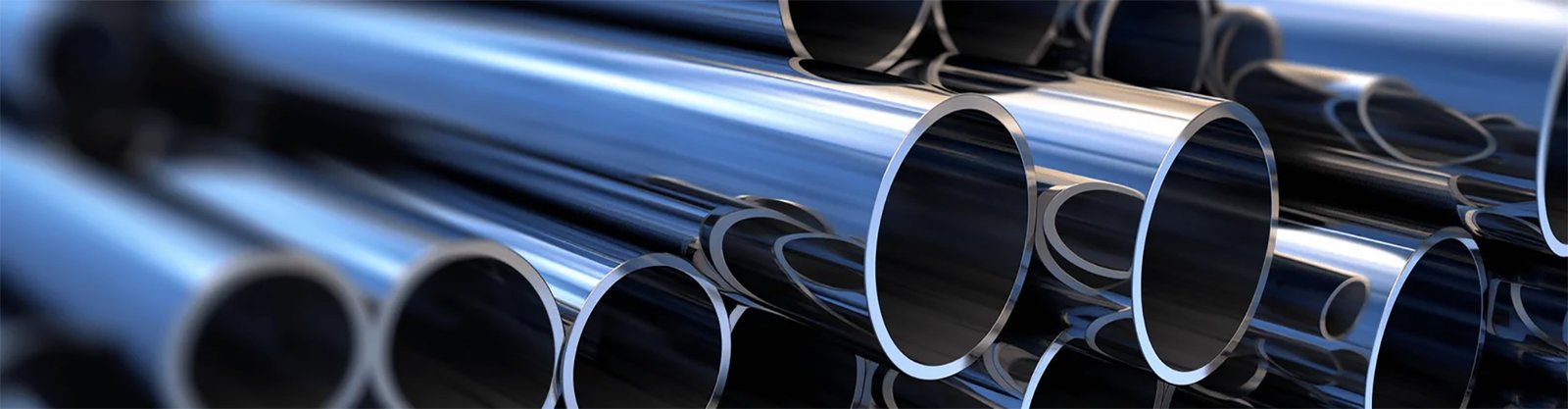
Titanium pipe is selected for seawater intake, brine transfer, chemical dosing and process connections. ASTM B861 covers seamless titanium pipe for general corrosion-resistant service, while ASTM B862 covers welded titanium pipe. Seamless pipe is preferred for smaller diameters, higher pressure or critical service. Welded pipe can be economical for larger diameters and moderate design conditions when the weld is properly qualified and inspected.
Titanium Tube for Heat Transfer
ASTM B338 seamless or welded titanium tube is commonly used in surface condensers, evaporators and heat exchangers. Buyers should specify OD, wall thickness, length, straightness, surface condition, hydrostatic or pneumatic test requirements and whether welded tube requires eddy-current examination.
Thin-wall welded Grade 2 tube often provides a strong balance of heat-transfer performance and cost. Seamless tube may be preferred for severe pressure cycling, small diameters or project specifications that prohibit a longitudinal weld.
Titanium Plate for Fabricated Equipment
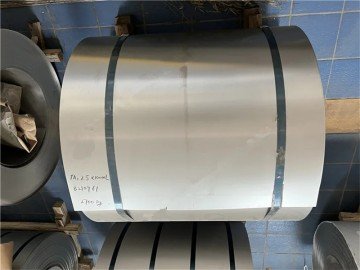
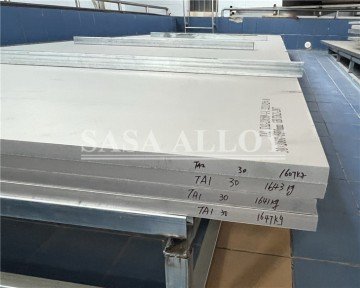
ASTM B265 titanium plate is used for tube sheets, channel covers, vessel components, evaporator parts, baffles, cladding and corrosion-resistant lining. Grade 2 is the normal starting material. Grade 7, Grade 11 or Grade 12 may be selected after corrosion review.
Solid titanium plate provides complete corrosion-resistant thickness but has a higher initial material cost. Titanium-clad steel may be more economical for large pressure vessels because the steel backing carries structural load while the titanium layer protects the wetted surface.
Product and Standard Comparison
| Product Form | Common Standard | Best-Use Recommendation | Critical Buyer Check |
|---|---|---|---|
| Seamless Pipe | ASTM B861 / ASME SB-861 | Critical process piping and higher-pressure service | Schedule, minimum wall, pressure, temperature and NDT. |
| Welded Pipe | ASTM B862 / ASME SB-862 | Large-diameter seawater and brine piping | Weld procedure, seam inspection and joint efficiency. |
| Heat-Exchanger Tube | ASTM B338 / ASME SB-338 | Condensers, evaporators and heat-recovery systems | Wall tolerance, surface, test pressure and tube-sheet joint. |
| Sheet and Plate | ASTM B265 / ASME SB-265 | Tube sheets, covers, channels, vessels and linings | Thickness, flatness, surface, forming direction and weldability. |
Titanium Compared with Alternative Materials
| Material | Main Advantage | Main Limitation | Selection Direction |
|---|---|---|---|
| Titanium Grade 2 | Excellent seawater resistance and long service life | Higher initial cost and specialized fabrication | Critical heat transfer and long-life seawater systems. |
| Super Duplex Stainless Steel | High strength and lower material cost in many forms | Greater sensitivity to chloride pitting, crevices and fabrication quality | High-pressure piping where alloy qualification permits. |
| Copper-Nickel Alloy | Good heat transfer and established marine use | Potential erosion, biofouling and ammonia-related concerns | Moderate seawater conditions with controlled velocity. |
| GRP / FRP | Low corrosion rate and competitive large-diameter cost | Temperature, impact, fire and joint-design limitations | Low-pressure large-diameter intake and discharge piping. |
Limitations and Design Risks
Crevice corrosion: Grade 2 can become vulnerable in hot, stagnant and oxygen-depleted crevices. Tight gasket interfaces, deposits and shielded joints require careful design. Palladium-bearing grades may be justified in severe conditions.
Galvanic coupling: Titanium is relatively noble in seawater. Direct electrical contact with aluminum, carbon steel or other active metals can accelerate corrosion of the less noble material. Insulating gaskets, sleeves and controlled transition joints may be required.
Hydrogen absorption: Cathodic overprotection, reducing conditions or inappropriate galvanic contact can promote hydrogen entry. Cathodic-protection potential and electrical continuity should be reviewed.
Fabrication contamination: Carbon-steel tools, grinding dust and shop contamination can damage surface quality. Dedicated tooling, clean work areas and controlled pickling or cleaning procedures are recommended.
Initial cost: Titanium normally costs more than conventional stainless steel or composite pipe. The economic case depends on reduced maintenance, fewer replacements, lower shutdown risk and longer equipment life.
Inspection, Certification and Procurement Control
Material traceability should connect each pipe, tube or plate to the original heat and production lot. The heat number on the product, package label, packing list and MTC should be consistent. Cut pieces require transferred marking or controlled cut records.
An EN 10204 3.1 MTC should identify the grade, heat number, standard, chemistry, mechanical properties, condition and dimensions. PMI can support grade verification, particularly when distinguishing palladium-bearing or alloyed titanium from commercially pure grades. PMI does not replace complete laboratory chemistry.
UT may be specified for thick plate, forged tube sheets or critical large-section material. Thin heat-exchanger tubes are more commonly controlled by eddy-current, hydrostatic, pneumatic, flattening, flaring or surface inspection according to the applicable specification. Third-party inspection by SGS, BV, TÜV or another agreed organization can witness certificate review, dimensions, testing, marking and export packaging.
Titanium Desalination RFQ Checklist
✅ State whether the requirement is pipe, heat-exchanger tube, plate or clad plate.
✅ Provide grade, UNS designation and ASTM or ASME standard.
✅ Define seawater source, chloride level, brine concentration, pH and temperature.
✅ Specify OD, wall thickness, plate thickness, length and tolerance.
✅ Identify pressure, vacuum, flow velocity and thermal-cycle requirements.
✅ Define welding, tube expansion, gasket and galvanic-isolation requirements.
✅ Request EN 10204 3.1 MTC, PMI, NDT and third-party inspection as needed.
✅ State marking, seaworthy packaging, delivery schedule and destination port.
FAQ
Which titanium grade is most common in desalination plants?
Grade 2 is the most common starting grade for titanium pipe, heat-exchanger tube and plate because it provides strong seawater resistance, good weldability and practical availability. Grade 7, Grade 11 or Grade 12 may be selected for more severe conditions.
Should buyers choose seamless or welded titanium tube?
Welded Grade 2 tube is widely used for heat exchangers because it provides economical thin-wall production and reliable performance when properly inspected. Seamless tube is preferred where pressure cycling, small diameter or project requirements prohibit a longitudinal weld.
Can Grade 2 titanium suffer crevice corrosion in desalination service?
Yes. Risk can increase in hot, stagnant, acidic or oxygen-depleted crevices. Joint design, deposit control, gasket selection and process chemistry should be reviewed. Palladium-bearing Grade 7 or Grade 11 may be considered where Grade 2 margins are insufficient.
What certificates should be requested for desalination titanium?
Buyers commonly request an EN 10204 3.1 MTC, heat-number traceability, chemistry, mechanical properties, dimensional inspection and product-specific NDT reports. Third-party inspection may be added for critical projects.
Related Titanium Products
| Product | Typical Desalination Use |
|---|---|
| Titanium Pipe and Tube | Seawater piping, brine lines, condensers, evaporators and heat exchangers. |
| Titanium Plate and Sheet | Tube sheets, covers, channels, baffles, vessels and corrosion-resistant lining. |
| Titanium Fittings for Seawater Systems | Elbows, tees, reducers and piping connections for corrosive seawater and brine service. |
| Titanium Flanges | Corrosion-resistant removable connections for desalination and marine piping. |
Conclusion
Titanium is selected for desalination plants when seawater corrosion resistance, equipment reliability and long service life justify the initial material cost. Grade 2 is suitable for most pipe, tube and plate requirements, while Grade 7, Grade 11 and Grade 12 address more severe crevice, chemical or mechanical conditions. The product standard must match the function: ASTM B338 for heat-exchanger tube, ASTM B861 or B862 for piping and ASTM B265 for plate.
Request a Titanium Desalination Material Review
Contact SAKY ALLOY for Grade 2, Grade 7, Grade 11 and Grade 12 titanium pipe, heat-exchanger tube, plate, fittings and flanges with EN 10204 3.1 MTC, PMI, UT, eddy-current testing, dimensional inspection and export packaging.
Send the process medium, temperature, pressure, chloride concentration, product form, grade, standard, dimensions, inspection requirements, quantity and destination port for technical review and quotation.