
Titanium for Offshore and Marine Equipment: Grade Selection Guide
Introduction
Titanium for Offshore and Marine Equipment is selected for seawater piping, heat exchangers, condensers, pump components, valve parts, subsea housings, shafts, fasteners and platform utility systems where chloride corrosion, weight and maintenance access are major concerns. Grade 2 is the standard choice for general seawater service, Grade 7 or Grade 11 provides a larger corrosion margin in hot, stagnant or crevice-prone conditions, and Grade 5 is used for highly loaded components requiring substantially greater strength.
Key Takeaways: Grade selection should follow the component function rather than applying one alloy to the entire offshore system. Commercially pure titanium is preferred for welded piping and heat-transfer equipment because of its corrosion resistance and formability. Ti-6Al-4V Grade 5 is better suited to shafts, fasteners and structural parts where mechanical loading controls the design. Grade 9 offers a useful intermediate combination of strength, cold formability and corrosion resistance for selected tubing applications.
Titanium performs well in naturally aerated seawater because it develops a stable oxide film that resists general corrosion, pitting and chloride stress-corrosion cracking under many typical marine conditions. It is not immune to every offshore environment. Tight crevices, oxygen-depleted deposits, hot acidic brines, hydrogen absorption, galvanic coupling and poor fabrication control can reduce reliability. A sound specification must include the seawater condition, temperature, pressure, flow velocity, mechanical load, joining method and inspection requirements.
Where Titanium Is Used Offshore
| Application Area | Typical Titanium Product | Primary Design Requirement |
|---|---|---|
| Seawater Cooling Systems | Pipe, tube, fittings, flanges and tube sheets | Chloride resistance, heat transfer, pressure and biofouling control. |
| Offshore Heat Exchangers | Seamless or welded titanium heat-exchanger tube | Tube vibration, wall thickness, expansion joint and inspection method. |
| Subsea Equipment | Forgings, bars, housings, fasteners and machined parts | Hydrostatic pressure, fatigue, corrosion and galvanic compatibility. |
| Pumps and Valves | Shafts, impellers, stems, bodies and trim components | Strength, cavitation, erosion, wear and crevice resistance. |
| Marine Exhaust and Utility Systems | Pipe, sheet, fabricated ducts and flexible components | Condensate chemistry, temperature cycling and lightweight construction. |
Why Titanium Is Valuable in Marine Service
Seawater Corrosion Resistance
Titanium forms a thin, adherent titanium-oxide film in oxygenated water. This passive layer reforms rapidly after minor scratching and provides strong resistance to seawater, chlorides and many oxidizing process fluids. In typical seawater service, titanium offers better resistance to pitting and chloride stress-corrosion cracking than many conventional stainless steels.
High Strength-to-Weight Ratio
Titanium has a density of approximately 4.5 g/cm³, which is much lower than common stainless steels and nickel alloys. Weight reduction is valuable for offshore modules, topside piping, remotely operated equipment and marine structures where lifting capacity and platform load are limited.
Lifecycle Performance
The purchase price of titanium is normally higher than carbon steel or standard stainless steel. The economic benefit appears when replacement work, shutdowns, coating maintenance, cathodic protection and difficult offshore access are included in the lifecycle calculation. Long service life can justify titanium in systems where leakage or corrosion failure carries a high operational cost.
Recommended Titanium Grades
| Grade | UNS | Main Benefit | Recommended Offshore Use |
|---|---|---|---|
| Grade 1 | R50250 | High ductility and excellent formability | Deep-formed sheet, linings and lightly loaded fabricated components. |
| Grade 2 | R50400 | Balanced seawater resistance, weldability and strength | Piping, heat-exchanger tube, plate, fittings and general marine equipment. |
| Grade 7 | R52400 | Palladium-enhanced crevice and reducing-environment resistance | Hot brine, stagnant seawater, gasketed joints and corrosion-critical piping. |
| Grade 9 | R56320 | Higher strength than pure titanium with useful formability | Lightweight tubing, hydraulic lines and moderately loaded marine structures. |
| Grade 11 | R52250 | High formability with palladium-enhanced corrosion resistance | Formed plate, tube and corrosion-critical marine components. |
| Grade 12 | R53400 | Higher strength with nickel and molybdenum additions | Process piping and offshore equipment requiring added strength and corrosion resistance. |
| Grade 5 | R56400 | High strength-to-weight ratio and fatigue capability | Subsea fasteners, shafts, housings, connectors and highly loaded machined parts. |
Chemical Composition Reference
| Grade | Principal Composition Character | Selection Effect |
|---|---|---|
| Grade 2 | Commercially pure titanium with controlled oxygen and iron | Provides the standard balance of strength, ductility and seawater resistance. |
| Grade 7 | Grade 2-type titanium with approximately 0.12-0.25% palladium | Improves repassivation under crevice and mildly reducing conditions. |
| Grade 9 | Approximately 3% aluminum and 2.5% vanadium | Raises strength while retaining better formability than Grade 5. |
| Grade 12 | Approximately 0.6-0.9% nickel and 0.2-0.4% molybdenum | Increases strength and broadens corrosion performance in process service. |
| Grade 5 | Approximately 6% aluminum and 4% vanadium | Provides high mechanical strength for loaded components. |
Mechanical Property Direction
Mechanical values vary with product form, section size, heat treatment and governing standard. The figures below are general engineering directions rather than purchase acceptance limits.
| Grade | Typical Strength Character | Design Direction |
|---|---|---|
| Grade 1 | Lowest strength with maximum ductility | Complex forming and low-stress corrosion-resistant parts. |
| Grade 2 | Moderate strength with good elongation and weldability | General piping, tube and fabricated offshore equipment. |
| Grade 9 | Intermediate strength between Grade 2 and Grade 5 | Thin-wall tubing and lightweight structural service. |
| Grade 5 | High-strength alpha-beta alloy | Fasteners, shafts and fatigue-sensitive machined components. |
Product Forms and Applicable Standards
| Product Form | Common Standard | Typical Marine Use |
|---|---|---|
| Heat-Exchanger Tube | ASTM B338 / ASME SB-338 | Condensers, seawater coolers and evaporators. |
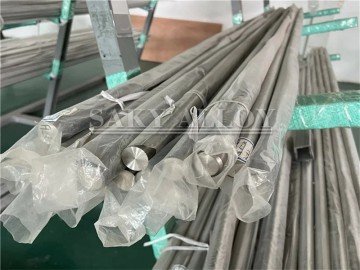
| Seamless Pipe | ASTM B861 / ASME SB-861 | Pressure piping and corrosion-resistant utility systems. |
| Welded Pipe | ASTM B862 / ASME SB-862 | Large-diameter seawater and brine piping. |
| Sheet and Plate | ASTM B265 / ASME SB-265 | Tube sheets, covers, linings, tanks and fabricated equipment. |
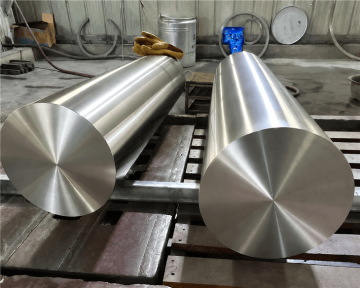
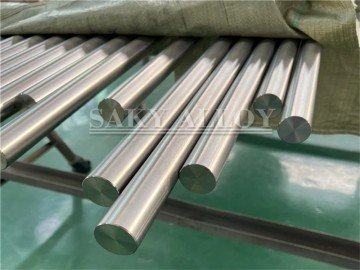
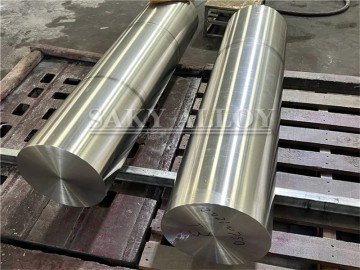
| Bars and Billets | ASTM B348/B348M | Shafts, fasteners, valve stems and machined parts. |
| Forgings | ASTM B381 | Flanges, rings, hubs, connectors and pressure components. |
| Pipe Fittings | ASTM B363 | Elbows, tees, reducers, caps and stub ends. |
Grade Selection by Application
| Component | Recommended Starting Grade | Upgrade Condition |
|---|---|---|
| Seawater Cooling Pipe | Grade 2 | Consider Grade 7 or 12 for hot, stagnant or chemically altered water. |
| Heat-Exchanger Tubes | Grade 2 | Use Grade 7 or 11 where crevice-corrosion margin is critical. |
| Subsea Fasteners | Grade 5 | Confirm fatigue, galling, hydrogen and galvanic requirements. |
| Hydraulic Tubing | Grade 9 | Use Grade 5 where higher pressure or strength is required and forming is limited. |
| Pump and Valve Parts | Grade 2 or Grade 5 | Selection depends on whether corrosion resistance or mechanical loading dominates. |
Limitations and Offshore Design Risks
Crevice corrosion: Grade 2 can become vulnerable in hot, acidic, stagnant or oxygen-depleted crevices. Gasket interfaces, deposits, flange faces and shielded joints require careful design. Grade 7 or Grade 11 may offer a larger operating margin.
Galvanic corrosion: Titanium is relatively noble in seawater. When it is electrically connected to aluminum, carbon steel or other active metals, the less noble material may corrode rapidly. Insulating gaskets, sleeves, coatings and controlled cathodic-protection design may be required.
Hydrogen absorption: Excessive cathodic polarization, reducing environments or unsuitable galvanic conditions can introduce hydrogen into titanium. Cathodic-protection potential and electrical continuity should be reviewed by the corrosion engineer.
Galling and wear: Titanium surfaces can gall during sliding or threaded contact. Fasteners, valve stems and shafts may need lubrication, coatings, surface treatment or mating materials selected for wear control.
Fabrication sensitivity: Titanium welds must be shielded from air while hot. Discoloration may indicate inadequate shielding and oxygen contamination. Dedicated tools and clean fabrication areas reduce iron contamination and surface damage.
Inspection, Certification and Traceability
Heat-number control should connect every pipe, tube, plate, bar or forging to its production heat and lot. The product marking, package label, packing list and MTC should show consistent identification. Cut pieces require transferred markings or controlled traceability records.
An EN 10204 3.1 MTC can document the grade, heat number, material standard, chemistry, mechanical properties, condition and dimensions. PMI can support alloy verification, particularly when distinguishing Grade 2, Grade 5, Grade 7 and Grade 12. It does not replace full laboratory chemistry.
Inspection should match the product. Eddy-current and hydrostatic or pneumatic testing are commonly relevant to heat-exchanger tubes. UT may be specified for thick plate, forgings, bars or critical large-section components. Liquid penetrant testing is useful for detecting surface-breaking discontinuities on machined or welded parts. Third-party inspection can witness certificate review, dimensional checks, NDT, marking and export packaging.
Offshore Titanium RFQ Checklist
✅ Identify the component, product form and final operating function.
✅ State the titanium grade, UNS designation and ASTM or ASME standard.
✅ Provide seawater temperature, pressure, flow velocity and chemical additions.
✅ Define mechanical load, fatigue cycles, impact and vibration requirements.
✅ Specify dimensions, tolerances, surface finish and machining allowance.
✅ Identify welding, gasket, coating, cathodic-protection and galvanic-isolation details.
✅ Request EN 10204 3.1 MTC, PMI, UT, PT, eddy-current or pressure testing as applicable.
✅ Define individual marking, seaworthy packaging, delivery schedule and destination port.
FAQ
Which titanium grade is best for seawater piping?
Grade 2 is the normal starting choice for seawater piping because it combines corrosion resistance, weldability, availability and moderate strength. Grade 7 or Grade 12 may be considered for hotter, stagnant, crevice-prone or chemically aggressive conditions.
Is Grade 5 titanium suitable for offshore equipment?
Yes. Grade 5 is widely used for subsea fasteners, shafts, housings, connectors and other highly loaded components. It is not normally the most economical grade for large welded seawater piping or heat-exchanger tubes.
Why use Grade 7 or Grade 11 instead of Grade 2?
Grade 7 and Grade 11 contain palladium, which improves repassivation and resistance to crevice corrosion in selected hot, stagnant, acidic or oxygen-restricted conditions. They are useful where the corrosion margin of Grade 2 is considered insufficient.
What quality documents are needed for offshore titanium?
Typical documentation includes an EN 10204 3.1 MTC, heat-number traceability, chemistry, mechanical properties, dimensional reports and product-specific NDT results. Critical offshore projects may also require third-party inspection and approved manufacturing procedures.
Related Titanium Products
| Product | Typical Offshore Use |
|---|---|
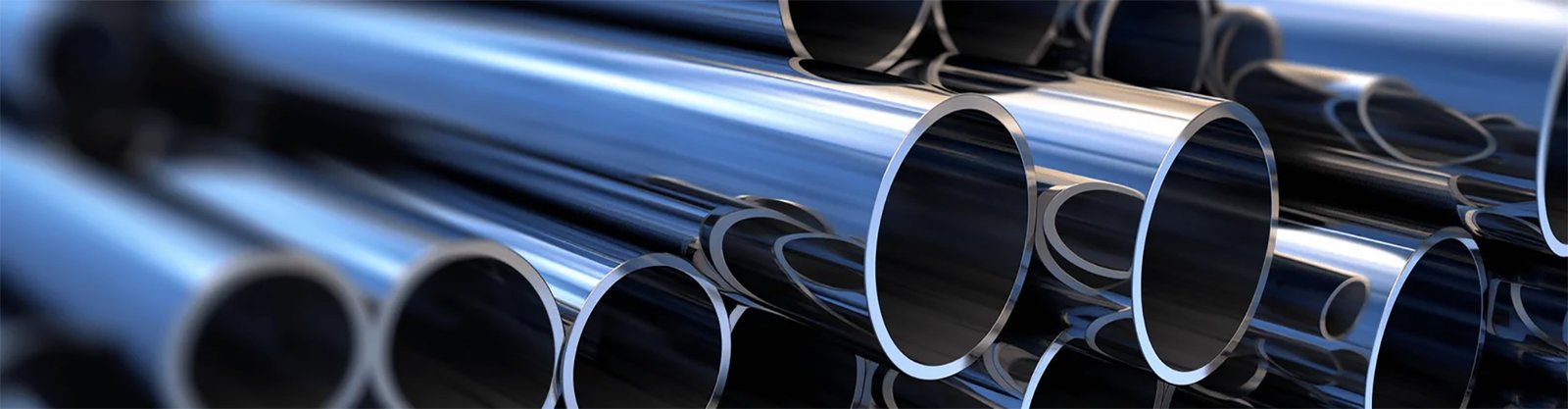
| Titanium Pipe and Tube | Seawater cooling pipe, hydraulic tubing, condensers and offshore heat exchangers. |
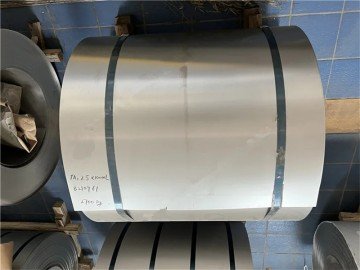
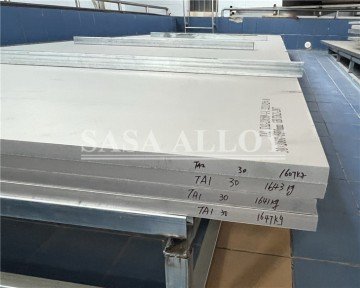
| Titanium Plate and Sheet | Tube sheets, covers, tanks, linings and fabricated marine components. |
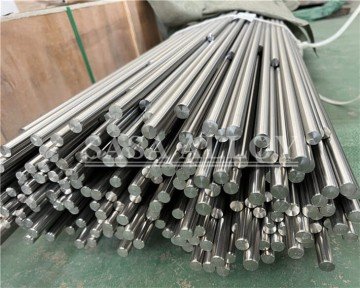
| Titanium Bar | Shafts, valve stems, fasteners, connectors and machined subsea parts. |
| Titanium Fittings for Seawater Systems | Elbows, tees, reducers and piping connections for offshore seawater service. |
| Titanium Flanges | Lightweight corrosion-resistant connections for offshore and marine piping. |
Conclusion
Titanium provides a strong combination of seawater corrosion resistance, low density and long service life for offshore and marine equipment. Grade 2 is appropriate for most piping, tube and plate applications. Grade 7 and Grade 11 offer additional security in crevice-prone or chemically aggressive conditions, while Grade 5 and Grade 9 address higher mechanical loads. Reliable selection requires the grade, product standard, component geometry and offshore environment to be evaluated together.
Request an Offshore Titanium Material Review
Contact SAKY ALLOY for Grade 2, Grade 5, Grade 7, Grade 9, Grade 11 and Grade 12 titanium pipe, tube, plate, bar, fittings, flanges and custom-machined parts with EN 10204 3.1 MTC, PMI, UT, PT, eddy-current testing and export packaging.
Send the component drawing, service medium, seawater temperature, pressure, load, grade, standard, dimensions, inspection requirements, quantity and destination port for technical review and quotation.