
Titanium Materials for Power Plant and Cooling Systems
Introduction
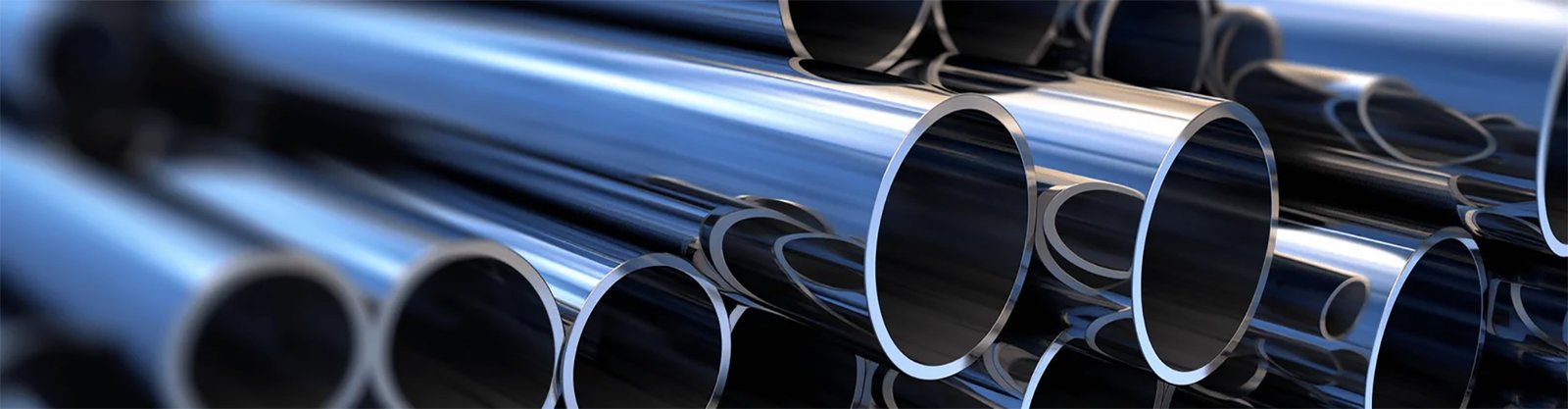
Titanium materials for power plant and cooling systems are selected when buyers need corrosion-resistant, lightweight and long-service materials for condensers, heat exchangers, seawater cooling lines, cooling water systems, tube sheets, desalination units, brine handling, flue gas treatment support equipment and auxiliary piping. Titanium is especially valuable in power plants using seawater, brackish water, polluted cooling water or chloride-containing cooling media, where conventional stainless steel or copper alloy may suffer pitting, crevice corrosion or rapid tube failure.
For material selection, Grade 2 titanium is the common starting choice for condenser tubes and cooling water heat exchangers because it offers excellent corrosion resistance and good weldability. Grade 7 and Grade 12 may be considered for more aggressive chemical or higher-temperature cooling environments. Buyers should specify grade, standard, tube size, wall thickness, surface condition, heat treatment, eddy current test, hydrostatic test, dimensional inspection, EN 10204 3.1 MTC and export packing before ordering.
Best-use recommendation:
• Choose Grade 2 titanium tube for seawater condensers, power plant cooling systems, brackish water heat exchangers and desalination-related cooling equipment.
• Choose Grade 7 titanium when reducing acids, low-pH media or more aggressive chemical conditions require enhanced corrosion resistance.
• Choose Grade 12 titanium for selected heat exchanger and industrial cooling applications needing improved strength and corrosion resistance compared with pure titanium.
• For condenser tubes, specify ASTM B338 / ASME SB338, OD, wall thickness, length, straightness, ECT, hydrostatic test, surface condition and tube-end protection.
• Request MTC, dimensional report, eddy current report, hydro test report, surface inspection and packing photos before shipment.
Application Scenarios in Power Plant and Cooling Systems
Titanium is used in both new-build power plant projects and maintenance replacement programs. The most common demand is titanium tubing for condensers and heat exchangers, but titanium plate, sheet, bar, fittings and machined parts may also be required for tube sheets, covers, support structures and custom corrosion-resistant components.
| Power Plant Application | Recommended Titanium Product | Key Procurement Requirement |
|---|---|---|
| Steam Surface Condensers | Titanium condenser tubes | ASTM B338 / ASME SB338, OD, wall thickness, length, ECT, hydrostatic test and clean tube ends. |
| Seawater Cooling Systems | Titanium tubes, pipes, fittings and plate components | Chloride resistance, crevice corrosion control, weld quality and full material traceability. |
| Heat Exchangers | Titanium seamless/welded tube, sheet and tube sheet materials | Tube size, tube sheet compatibility, expansion requirement, surface cleanliness and test reports. |
| Desalination and Brine Cooling | Titanium tube, plate, sheet and custom parts | Resistance to seawater, concentrated brine, fouling conditions and long-term exposure. |
| Cooling Water Intake and Auxiliary Systems | Titanium pipe, fittings, fasteners and machined parts | Corrosion resistance, dimensional accuracy, welding plan and packing protection. |
| Maintenance Replacement Tubes | Cut-to-length titanium tubes | Exact replacement size, straightness, end condition, batch traceability and fast delivery. |
Material Benefits of Titanium in Cooling Water Service
Cooling systems are exposed to flowing water, dissolved salts, suspended solids, biological activity, chemical dosing and shutdown periods. Titanium is selected because it can reduce corrosion-related leakage, tube failure and unplanned maintenance in difficult cooling water environments.
| Material Benefit | Why It Matters in Power Plants | Typical Buyer Impact |
|---|---|---|
| Excellent Chloride Resistance | Seawater and brackish water contain chlorides that can attack many stainless steels. | Lower risk of pitting, crevice corrosion and premature condenser tube failure. |
| Long Service Life | Power plants need stable operation and reduced downtime. | Lower maintenance frequency and better lifecycle value despite higher material cost. |
| Good Heat Exchanger Suitability | Titanium tubes can be supplied in thin walls for efficient heat transfer. | Useful for condensers, evaporators and seawater heat exchangers. |
| Low Density | Lower weight helps with tube handling, installation and replacement. | Easier logistics and installation compared with heavier corrosion-resistant options. |
| Stable Passive Film | Titanium forms a protective oxide layer in many water environments. | Improved resistance in seawater, brine and many cooling water conditions. |
Recommended Titanium Grades for Power Plant Cooling Systems
Grade selection should be based on water chemistry, temperature, flow rate, heat exchanger design, tube expansion method, cleaning procedure and any chemical dosing used in the plant.
| Titanium Grade | UNS | Best Product Forms | Recommended Use |
|---|---|---|---|
| Grade 1 | R50250 | Sheet, strip, thin tube and formed parts | Thin formed components, light-duty heat transfer parts and applications requiring high ductility. |
| Grade 2 | R50400 | Tube, pipe, sheet, plate, bar and fittings | Most common choice for seawater condenser tubes, cooling water heat exchangers and desalination systems. |
| Grade 7 | R52400 | Tube, plate, sheet, bar and custom parts | More aggressive chemical cooling systems, low-pH service and applications needing enhanced corrosion resistance. |
| Grade 12 | R53400 | Tube, plate, sheet, pipe and fittings | Industrial heat exchangers and cooling systems requiring improved strength and corrosion resistance. |
| Grade 5 | R56400 | Bar, fasteners, machined parts and structural components | High-strength bolts, supports, brackets and machined parts where strength is more important than tube formability. |
Condenser Tube Procurement Checklist
Titanium condenser tubes are one of the most critical materials in power plant cooling systems. Buyers should treat tube procurement as a controlled technical purchase, not a simple size inquiry.
| Tube Requirement | What Buyers Should Specify | Why It Matters |
|---|---|---|
| Standard | ASTM B338 / ASME SB338 or project-specific condenser tube standard | Defines chemical, mechanical, dimensional and test requirements. |
| Tube Size | OD, wall thickness, length, tolerance and quantity | Controls heat transfer, tube sheet fit, expansion and replacement compatibility. |
| Tube Type | Seamless, welded, welded-and-drawn or customer-approved type | Affects availability, price, test plan and project approval. |
| Testing | Eddy current test, hydrostatic test, flattening/flaring if required and surface inspection | Reduces risk of tube leakage and hidden defects. |
| Tube End Condition | Plain end, deburred end, cut length, plugged/capped ends or clean sealed packing | Protects tube ID and supports installation into tube sheets. |
| Documentation | EN 10204 3.1 MTC, test reports, dimensional report, packing list and labels | Ensures traceability and project acceptance before installation. |
Limitations and Material Selection Risks
Titanium performs very well in many cooling water systems, but it still requires correct design, cleaning and procurement control. Buyers should not treat titanium as a universal solution for every power plant environment.
• Titanium should be reviewed carefully in strong reducing acid conditions unless a suitable grade such as Grade 7 is specified.
• Crevice conditions, fouling deposits and stagnant water zones should be considered in heat exchanger design.
• Titanium tubes must be protected from mechanical damage during handling, expansion and installation.
• Welding titanium requires clean surfaces and proper inert gas shielding to avoid contamination and brittle welds.
• Tube-to-tube-sheet compatibility must be checked if the tube sheet is not titanium or titanium-clad.
• High initial material cost should be compared with lifecycle cost, outage risk, leakage risk and maintenance history.
Standards, Certificates and Inspection Requirements
Power plant and cooling system materials usually require strict documentation because failure can cause shutdown, leakage or expensive maintenance. Buyers should review documents before shipment, not only after receiving the goods.
| Document / Test | What It Confirms | Recommended For |
|---|---|---|
| EN 10204 3.1 MTC | Grade, heat number, chemistry, mechanical properties, standard and traceability | All controlled titanium tube, plate, pipe and bar orders. |
| Eddy Current Test | Tube continuity and detection of certain surface or near-surface defects | Condenser and heat exchanger tubes. |
| Hydrostatic Test | Tube or pipe pressure integrity and leakage resistance | Cooling water tubes, pipes and pressure-related systems. |
| Dimensional Report | OD, wall thickness, length, straightness, thickness and tolerance | Tube replacement orders, heat exchanger components and machined blanks. |
| Surface Inspection | Scratches, dents, contamination, tube end condition, oxide and surface defects | Tube bundles, sheet/plate parts and precision cooling components. |
| Third-Party Inspection | Independent verification by SGS, BV, TÜV or project-approved inspector | Critical power plant projects, EPC orders and high-value replacement programs. |
RFQ Fields for Titanium Cooling System Materials
A clear RFQ allows the supplier to check grade suitability, production route, test plan and lead time. For condenser and power plant projects, service conditions and inspection scope should be included from the beginning.
✅ Application: condenser tube, cooling water heat exchanger, seawater system, desalination unit, tube sheet, pipe spool or replacement part.
✅ Grade: Grade 2, Grade 7, Grade 12, Grade 1 or customer-specified titanium alloy.
✅ Product form: seamless tube, welded tube, pipe, plate, sheet, bar, fitting, flange, fastener or machined part.
✅ Standard: ASTM B338, ASME SB338, ASTM B265, ASTM B348, ASTM B861, ASTM B862 or project specification.
✅ Size: OD, wall thickness, length, thickness, width, diameter, pressure class, drawing dimensions and tolerance.
✅ Service media: seawater, brackish water, cooling water, brine, chlorinated water, low-pH media or chemical dosing condition.
✅ Testing: MTC, ECT, hydrostatic test, dimensional report, surface inspection, PMI, UT, PT or third-party inspection.
✅ Packing: tube end caps, bundle protection, wooden cases, waterproof wrapping, heat-number labels and packing photos.
Buyer Mistakes to Avoid
Ordering titanium tube by size only: Condenser tubes require grade, standard, test plan, tube end condition, surface condition and certificate control.
Ignoring water chemistry: Seawater, brackish water, chlorinated water, low-pH cooling water and brine can require different titanium grades or design precautions.
Not specifying ECT or hydrostatic test: Heat exchanger and condenser tubes should have the correct test scope defined before production.
Mixing replacement tubes from different lots without traceability: Heat number, MTC and labels should remain traceable for maintenance records.
Forgetting tube sheet compatibility: Tube expansion, galvanic compatibility and tube sheet material should be reviewed during design or replacement.
Accepting poor packing: Thin-wall titanium tubes can be dented or contaminated if tube ends, bundles and wooden cases are not properly protected.
Choosing only by unit price: For power plant cooling systems, lifecycle cost, outage risk, leakage risk and inspection scope are often more important than the lowest material price.
FAQ
Why is titanium used in power plant cooling systems?
Titanium is used because it provides excellent resistance to seawater, brackish water and chloride-containing cooling water. It helps reduce tube leakage, pitting corrosion, crevice corrosion and maintenance shutdowns in condensers and heat exchangers.
Which titanium grade is best for condenser tubes?
Grade 2 titanium is the most common starting choice for condenser tubes and seawater cooling heat exchangers. Grade 7 or Grade 12 may be considered when the cooling media is more aggressive or the project requires enhanced corrosion resistance.
What standard is commonly used for titanium condenser tubes?
ASTM B338 and ASME SB338 are commonly specified for titanium and titanium alloy seamless and welded tubes used in condensers and heat exchangers. Buyers should confirm the exact grade, size, test scope and project specification.
What tests should be requested for titanium cooling tubes?
Typical tests include EN 10204 3.1 MTC, eddy current test, hydrostatic test, dimensional inspection, surface inspection and tube end inspection. Third-party inspection may be requested for critical power plant projects.
Can titanium be used in seawater cooling systems?
Yes. Titanium is widely selected for seawater cooling systems because it resists chloride attack better than many conventional stainless steels and copper alloys. Design details such as crevices, fouling and tube sheet compatibility should still be reviewed.
What should buyers send for a titanium condenser tube RFQ?
Buyers should send the grade, standard, OD, wall thickness, length, quantity, tube type, service media, test requirements, certificate type, packing requirement and delivery schedule. Replacement projects should also include existing tube size and tube sheet information.
How should titanium tubes be packed for export?
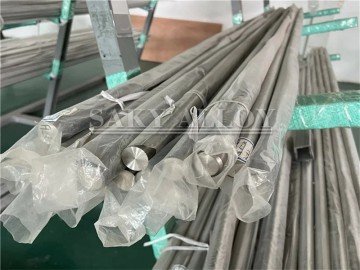
Titanium tubes should be packed with tube end protection, bundle wrapping, moisture protection, clear labels, heat-number identification and strong wooden cases or pallets. Packing photos should be reviewed before shipment.
Related Titanium Products
| Related Product | Procurement Use |
|---|---|
| Titanium Tube | Titanium seamless and welded tubes for condensers, heat exchangers, seawater cooling and industrial systems. |
| Titanium Plate and Sheet | Titanium plate and sheet for tube sheets, covers, heat exchanger parts, brine systems and fabricated components. |
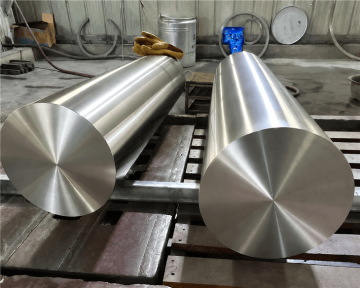
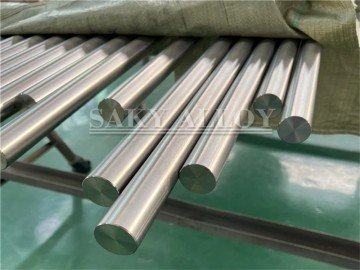
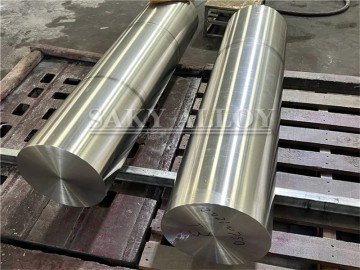
| Titanium Bar and Rod | Titanium bar and rod for fasteners, supports, machined parts and corrosion-resistant cooling system components. |
| Titanium Grade 2 | Commercially pure titanium commonly used for seawater condenser tubes and corrosion-resistant heat exchanger parts. |
| Titanium Tube for Condensers Guide | Guide to titanium condenser tube selection for power plants, desalination and seawater cooling systems. |
| Titanium Export Packing Guide | Guide to protecting titanium tube, sheet, plate, bar and custom parts during export shipment. |
Conclusion
Titanium materials are a strong choice for power plant and cooling systems where seawater, brackish water, chlorides, brine or aggressive cooling media create corrosion risk. Grade 2 titanium is commonly used for condenser tubes and heat exchangers, while Grade 7 and Grade 12 can be considered for more aggressive or specialized cooling environments.
For reliable procurement, buyers should define grade, product form, standard, size, service media, tube type, inspection scope, certificate requirement and export packing before ordering. For condenser tubes, eddy current testing, hydrostatic testing, dimensional inspection, tube end protection and full heat-number traceability are especially important for project acceptance and long-term plant reliability.
Request Titanium Materials for Power Plant Cooling Systems
SAKY ALLOY supplies titanium tube, pipe, plate, sheet, bar, fittings and custom titanium parts for condensers, heat exchangers, seawater cooling, desalination, brine systems and power plant maintenance projects.
Send the grade, standard, size, application, service media, quantity, testing requirement, certificate type, packing requirement and destination port for technical review and quotation.