
Titanium Materials for Sports Equipment and Consumer Products
Introduction
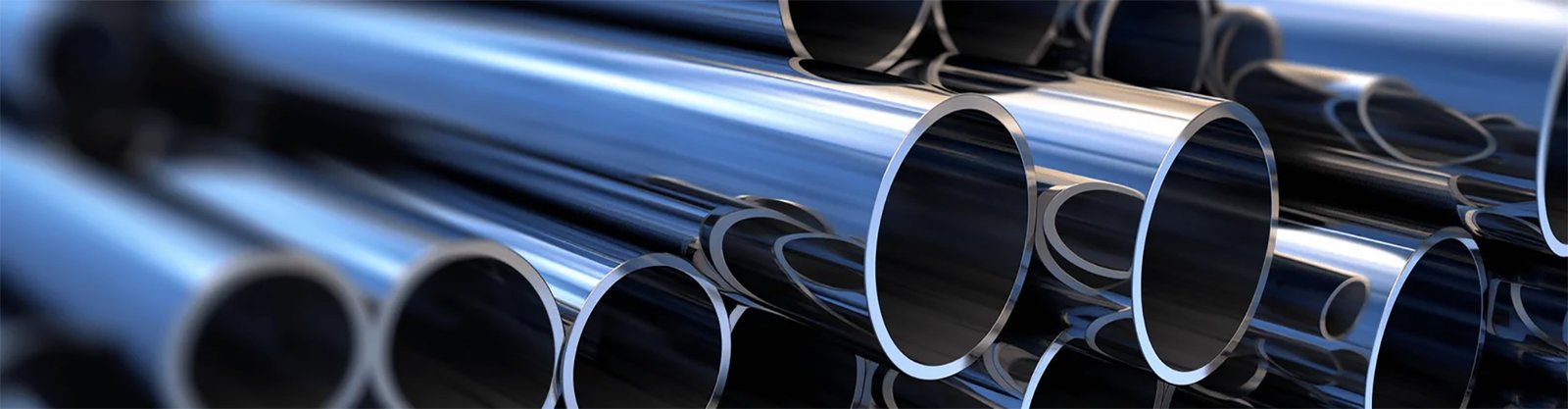
Titanium materials for sports equipment and consumer products are selected when designers need lightweight strength, corrosion resistance, fatigue performance, premium appearance and long service life. Titanium bar, tube, wire, sheet, plate, strip, fasteners and CNC machined parts can be used for bicycle components, golf clubs, outdoor tools, fishing gear, eyewear, watches, wearable products, camping equipment, fitness accessories and high-end consumer hardware.
For material selection, buyers should match the titanium grade to the product function. Grade 2 is useful for corrosion-resistant and formable consumer parts, Grade 5 Ti-6Al-4V is preferred for high-strength sports and machined components, Grade 9 Ti-3Al-2.5V is attractive for lightweight tubing and sports structures, and Grade 23 Ti-6Al-4V ELI may be used where higher cleanliness and biocompatibility requirements are needed. The best choice depends on strength, weight, fatigue load, machining, welding, surface finish, cost and required certificate.
Best-use recommendation:
• Choose Grade 5 titanium for high-strength bicycle parts, fasteners, outdoor tools, watch parts, fitness accessories and CNC machined consumer hardware.
• Choose Grade 9 titanium tube for lightweight sports structures, bicycle tubing, frame-related parts and components requiring a balance of strength and formability.
• Choose Grade 2 titanium for corrosion-resistant consumer products, sheet parts, formed parts, decorative components and lightweight hardware.
• Choose Grade 23 titanium when stricter material cleanliness or skin-contact performance is important for premium wearable or body-contact products.
• Confirm grade, product form, tolerance, surface finish, machining allowance, testing and EN 10204 3.1 MTC before purchasing.
Application Scenarios for Titanium Sports and Consumer Products
Titanium is used in consumer markets where material performance and brand positioning both matter. Compared with common stainless steel or aluminum, titanium can offer a premium combination of low weight, strength, corrosion resistance and tactile appearance.
| Application Scenario | Recommended Titanium Form | Key Buying Requirement |
|---|---|---|
| Bicycle Frames and Components | Titanium tube, bar, plate, fasteners and machined parts | Strength-to-weight ratio, fatigue resistance, weldability, straightness and surface finish. |
| Golf Clubs and Sporting Goods | Titanium plate, bar, forging, sheet and machined blanks | High strength, impact performance, machining quality and controlled material condition. |
| Outdoor and Camping Equipment | Titanium sheet, strip, wire, tube and formed parts | Light weight, corrosion resistance, heat resistance, forming performance and clean surface. |
| Watches and Wearable Products | Titanium bar, plate, sheet and CNC machined parts | Surface quality, machinability, skin-contact comfort, polishing and anodizing behavior. |
| Fishing Gear and Marine Consumer Products | Titanium wire, bar, fasteners, tube and machined components | Saltwater corrosion resistance, fatigue performance, small-size tolerance and clean finish. |
| Eyewear and Lifestyle Accessories | Titanium wire, sheet, strip, bar and micro-machined parts | Lightweight comfort, formability, elasticity, surface appearance and precision tolerance. |
Material Benefits of Titanium for Sports Equipment and Consumer Products
Titanium is often chosen for high-end products where performance, durability and premium user experience are important. It is not always the lowest-cost option, but it can improve product value in applications where weight, corrosion resistance and long service life matter.
| Material Benefit | Why It Matters | Typical Products |
|---|---|---|
| Lightweight Strength | Reduces product weight while maintaining mechanical performance. | Bicycle parts, outdoor gear, sports hardware, watch cases and premium tools. |
| Corrosion Resistance | Resists sweat, rain, saltwater, humidity and outdoor exposure. | Fishing gear, marine hardware, eyewear, wearable parts and camping products. |
| Fatigue Performance | Supports repeated loading in sports and active-use components. | Bike frames, springs, clips, flexible parts and performance accessories. |
| Premium Appearance | Can be brushed, polished, blasted, anodized or machined for a high-end finish. | Watches, EDC tools, phone accessories, eyewear, handles and decorative parts. |
| Skin-Contact Comfort | Useful for products worn or touched frequently. | Eyewear, watches, wearable devices, jewelry parts and personal accessories. |
Recommended Titanium Grades
Titanium grade selection should be based on mechanical load, forming method, welding, machining, surface finish and cost target. The table below summarizes practical starting choices for sports and consumer product buyers.
| Titanium Grade | UNS | Best Product Forms | Recommended Use |
|---|---|---|---|
| Grade 1 | R50250 | Sheet, strip, foil and formed parts | Thin formed consumer parts, lightweight panels, decorative pieces and parts requiring high ductility. |
| Grade 2 | R50400 | Sheet, plate, bar, wire, tube and machined blanks | General consumer products, corrosion-resistant hardware, outdoor parts and formed sheet components. |
| Grade 5 / Ti-6Al-4V | R56400 | Bar, plate, wire, fasteners, forging and CNC parts | High-strength sports parts, fasteners, watch parts, tools, machined components and performance hardware. |
| Grade 9 / Ti-3Al-2.5V | R56320 | Tube, wire, bar and lightweight structural parts | Bicycle tubing, sports equipment, lightweight frames and components needing strength with better formability. |
| Grade 23 / Ti-6Al-4V ELI | R56401 | Bar, wire, sheet, plate and precision parts | Premium wearable parts, skin-contact products, precision hardware and higher-cleanliness applications. |
Product Form Selection: Wire, Tube, Sheet, Bar and Machined Parts
Sports and consumer product buyers often need small sizes, clean surfaces and tight tolerances. The correct titanium form should be selected before comparing price.
| Product Form | Typical Sports / Consumer Use | Specification Focus |
|---|---|---|
| Titanium Tube | Bike frames, handlebars, poles, lightweight structures and equipment frames | OD, wall thickness, length, straightness, ovality, weldability and surface finish. |
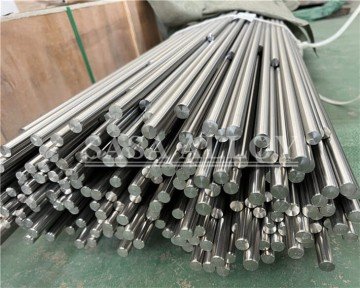
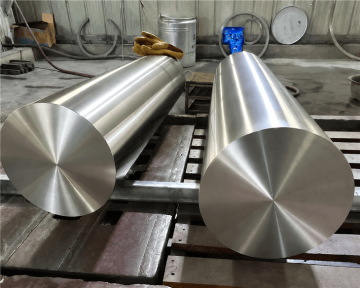
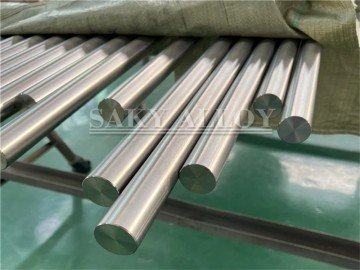
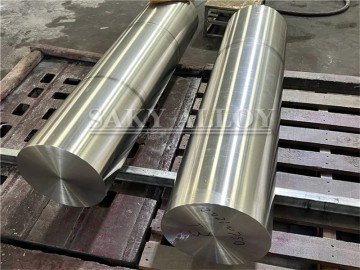
| Titanium Bar / Rod | CNC parts, watch cases, tools, fasteners, shafts, handles and precision blanks | Diameter, tolerance, straightness, machining allowance, surface and MTC. |
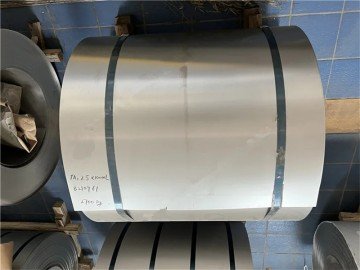
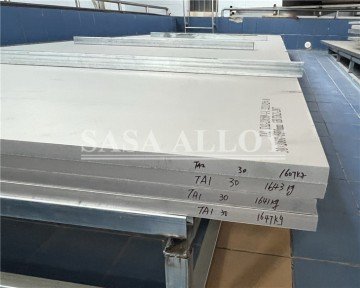
| Titanium Sheet / Plate | Golf heads, covers, panels, brackets, shields, clips and machined plates | Thickness, flatness, surface, cutting allowance, grade and temper/condition. |
| Titanium Wire | Eyewear, clips, springs, fishing leaders, small hooks, formed parts and accessories | Diameter, tensile condition, coil/straight length, surface and forming behavior. |
| CNC Machined Parts | Premium hardware, watch components, screws, connectors, tool parts and custom accessories | Drawing, tolerance, thread, deburring, surface finish, anodizing and inspection. |
Limitations and Material Selection Risks
Titanium is not always the best material for every sports or consumer product. Buyers should consider cost, manufacturing process, finishing method and performance needs before selecting titanium.
• Titanium costs more than many aluminum and stainless steel options, so it is best used where performance or product value justifies the cost.
• Grade 5 titanium is strong but less formable than commercially pure titanium, so tight bending or deep forming may require another grade or process change.
• Titanium machining requires suitable tools, coolant, speed control and deburring practice to avoid poor surface quality or tool wear.
• Welding titanium requires clean surfaces and proper shielding gas to prevent contamination and brittle welds.
• Decorative anodizing and surface color consistency should be tested on samples before mass production.
• Material substitution should be approved by the product design team, especially for fatigue-loaded sports parts or skin-contact consumer products.
Standards, Certificates and Specification Checks
Even for consumer products, titanium material control matters when the product is high-value, safety-related, fatigue-loaded or exported to brand customers. Buyers should request certificates and inspection reports when consistency is important.
| Document / Check | What It Confirms | When to Request |
|---|---|---|
| EN 10204 3.1 MTC | Grade, heat number, chemistry, mechanical properties and traceability | Recommended for controlled titanium material orders and brand supply chains. |
| Dimensional Report | Diameter, OD, wall, thickness, width, length, straightness and tolerance | Useful for tube, bar, wire, sheet and CNC blank orders. |
| Surface Inspection | Scratches, dents, stains, oxide, tool marks and finish condition | Important for visible consumer products, watches, eyewear and premium accessories. |
| PMI Report | Positive material identification and grade verification | Useful when multiple titanium grades or high-value lots are supplied together. |
| Sample Approval | Machining, forming, welding, polishing, anodizing and assembly performance | Recommended before mass production of consumer products or sports parts. |
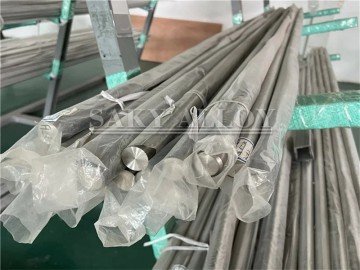
| Packing Photos | Surface protection, labels, bundles, wooden cases and export marks | Helps prevent scratches, mixing and shipment disputes. |
RFQ Fields for Titanium Sports and Consumer Product Orders
A clear RFQ helps the supplier recommend the correct grade and product form. For consumer products, buyers should include design and processing details, not only grade and size.
✅ Product application: bicycle part, watch case, eyewear component, fishing gear, tool, camping part, fastener or custom accessory.
✅ Grade: Grade 2, Grade 5, Grade 9, Grade 23 or customer-specified titanium alloy.
✅ Product form: tube, bar, rod, wire, sheet, plate, strip, fastener, forging or CNC machined part.
✅ Size and tolerance: OD, wall, diameter, thickness, width, length, straightness, flatness, thread and drawing tolerance.
✅ Processing: bending, welding, CNC machining, stamping, polishing, anodizing, coating, laser cutting or assembly.
✅ Performance: fatigue load, impact, corrosion exposure, weight target, surface appearance and skin-contact requirement.
✅ Documents: EN 10204 3.1 MTC, dimensional report, PMI, surface inspection, hardness or sample test report.
✅ Packing: individual wrapping, tube caps, wooden case, label, heat number, surface protection and export marks.
Buyer Mistakes to Avoid
Choosing Grade 5 for every titanium product: Grade 5 is strong, but it is not always the best option for forming, bending or low-cost consumer parts.
Ignoring fatigue requirements: Sports equipment may experience repeated loading, so grade, surface finish, weld quality and design stress must be considered.
Not testing surface finishing before mass production: Brushing, polishing, blasting and anodizing results can vary by grade, surface condition and process.
Ordering tube without straightness or ovality requirement: Lightweight sports structures often need controlled tube geometry for assembly and welding.
Accepting material without traceability: Heat number, MTC and labels are important for brand customers and repeat production consistency.
Comparing only raw material cost: Titanium machining, forming, finishing, scrap rate, tool wear and packing can affect total product cost.
Skipping sample approval: For consumer products, sample testing is important before committing to large production batches.
FAQ
Why is titanium used in sports equipment and consumer products?
Titanium is used because it offers lightweight strength, corrosion resistance, fatigue performance, premium appearance and long service life. These benefits are valuable for bicycles, outdoor gear, watches, eyewear, fishing gear and high-end consumer accessories.
Which titanium grade is best for sports equipment?
Grade 5 titanium is commonly selected for high-strength sports parts and CNC components. Grade 9 is often attractive for lightweight tubing and bicycle-related structures. Grade 2 can be used for formed, corrosion-resistant and lower-load parts.
Which titanium grade is best for consumer products?
Grade 2 is suitable for many corrosion-resistant and formed consumer products. Grade 5 is preferred for strong machined hardware, tools and watch parts. Grade 23 may be considered for premium wearable or skin-contact components requiring stricter material control.
Is titanium better than aluminum for sports products?
Titanium can offer higher corrosion resistance, premium feel and excellent strength-to-weight performance, but it is usually more expensive and harder to process than aluminum. Aluminum remains a better choice for many cost-sensitive and large-volume lightweight parts.
Can titanium be anodized for consumer products?
Yes. Titanium can be anodized to create decorative colors, but color consistency depends on grade, surface preparation, voltage, cleaning and process control. Buyers should test samples before mass production.
What certificates should titanium sports and consumer materials include?
Typical documents include EN 10204 3.1 MTC, chemical composition, mechanical properties, heat number, dimensional report, surface inspection, PMI if required and packing photos.
What should buyers send for a titanium custom part quotation?
Buyers should send the drawing, grade, size, tolerance, application, surface finish, machining or forming process, quantity, certificate requirement and packing requirement. A sample or prototype requirement should also be stated when product appearance or fit is important.
Related Titanium Products
| Related Product | Procurement Use |
|---|---|
| Titanium Bar and Rod | Titanium bar and rod for CNC machined sports parts, watch components, tools, fasteners and custom hardware. |
| Titanium Tube | Titanium tube for bicycle frames, lightweight sports structures, poles, handles and custom assemblies. |
| Titanium Wire | Titanium wire for eyewear, fishing gear, clips, small springs, formed parts and consumer accessories. |
| Titanium Plate and Sheet | Titanium plate and sheet for panels, brackets, covers, golf parts, tools and machined blanks. |
| Titanium Grade 5 | Ti-6Al-4V materials for high-strength sports components, premium consumer parts and CNC machined hardware. |
| Titanium Supply for Eyewear Manufacturing | Guide to titanium wire, sheet and machined parts for eyewear frames and precision consumer components. |
Conclusion
Titanium materials are well suited for sports equipment and consumer products when lightweight strength, corrosion resistance, fatigue performance and premium appearance are important. Grade 5 is often the best starting point for high-strength machined parts, Grade 9 is useful for lightweight tubing and sports structures, Grade 2 is practical for corrosion-resistant formed parts, and Grade 23 can support higher-cleanliness wearable applications.
For reliable procurement, buyers should define application, grade, product form, tolerance, surface finish, processing route, certificate requirement and packing method before ordering. Sample approval is especially important for consumer products because appearance, feel, fit, finishing and brand quality must be consistent before mass production.
Request Titanium Materials for Sports and Consumer Products
SAKY ALLOY supplies titanium bar, tube, wire, sheet, plate, strip, fasteners and custom machined titanium parts for sports equipment, eyewear, watches, outdoor tools, fishing gear, consumer hardware and premium accessories.
Send the grade, product form, size, tolerance, application, surface finish, quantity, certificate requirement and destination port for technical review and quotation.