
Titanium Supply for Eyewear Manufacturing: Wire, Sheet and Machining Parts
Introduction
Titanium supply for eyewear manufacturing includes titanium wire, titanium sheet, titanium strip, titanium plate, titanium bar, precision tube and custom machined parts used for eyeglass frames, temples, bridges, hinges, nose pads, screws, decorative parts and lightweight structural components. Eyewear manufacturers choose titanium because it offers low weight, good corrosion resistance, high strength-to-weight ratio, comfort, clean appearance and long service life for premium optical frames and sunglasses.
For eyewear production, buyers should select titanium materials by part function, forming method, welding or brazing process, surface finish, elasticity, strength, biocompatibility requirement, machining tolerance and finishing route. Common material choices include commercially pure titanium such as Grade 1 and Grade 2, Ti-6Al-4V Grade 5 for high-strength precision parts, and beta titanium alloys for flexible temples and elastic frame components. The correct supplier should support stable chemistry, clean surface, accurate tolerance, small-diameter wire, thin sheet, precision cutting and reliable export packing.
Best-use recommendation:
• Choose commercially pure titanium Grade 1 / Grade 2 for lightweight eyewear frames, bridges, nose pads, sheet parts and formed components.
• Choose Grade 5 titanium for high-strength machined eyewear parts, screws, hinges, small precision components and structural connectors.
• Choose beta titanium alloy when flexibility, springback and elastic temple performance are required.
• Specify wire diameter, sheet thickness, strip width, tolerance, surface finish, hardness, straightness and coil form before ordering.
• Request EN 10204 3.1 MTC, dimensional inspection, surface inspection and clean export packing for eyewear-grade titanium supply.
Application Scenarios for Titanium in Eyewear Manufacturing
Eyewear manufacturers use titanium in different product forms depending on the frame design. Wire is used for rim, temple, bridge and decorative structures. Sheet and strip are used for stamped or formed parts. Bar, plate and small blanks are used for CNC machined parts, hinges and precision connectors.
| Eyewear Component | Recommended Titanium Form | Key Material Requirement |
|---|---|---|
| Eyeglass Frame Rims | Titanium wire, shaped wire, strip or formed sheet | Lightweight, clean surface, formability, weldability and stable dimensions. |
| Temples and Flexible Arms | Titanium wire, beta titanium strip or custom profile | Elasticity, springback, fatigue resistance, comfort and surface finish. |
| Bridge and Nose Bridge Parts | Titanium wire, sheet, strip or small machined blank | Formability, welding performance, dimensional control and appearance. |
| Hinges and Connectors | Titanium bar, small plate, CNC machined parts or forged/machined blanks | Strength, machining tolerance, thread quality, wear resistance and assembly fit. |
| Screws and Precision Parts | Titanium bar, wire rod or CNC machined micro parts | Small-size tolerance, strength, thread accuracy and clean surface. |
| Decorative Plates and Logo Parts | Titanium sheet, thin strip, foil or laser-cut parts | Surface quality, flatness, cutting accuracy and anodizing or polishing performance. |
Material Benefits of Titanium for Eyewear
Titanium is widely used in premium eyewear because it provides a strong combination of comfort, durability and appearance. It is especially suitable for lightweight frames and high-end eyewear components where users expect long-term wear comfort.
• Lightweight comfort: titanium has low density and helps reduce frame weight for daily wear.
• Corrosion resistance: titanium resists sweat, humidity and many daily-use environments better than many common metals.
• High strength-to-weight ratio: suitable for thin, strong and elegant frame structures.
• Skin-friendly performance: commercially pure titanium and selected titanium alloys are widely used where skin contact and comfort matter.
• Surface finishing options: titanium can be polished, brushed, colored by anodizing, coated or finished for premium appearance.
• Long service life: good fatigue and corrosion performance help reduce frame deformation, rusting and surface failure.
Recommended Titanium Grades for Eyewear Manufacturing
Different titanium grades are used for different eyewear parts. The best material depends on whether the part needs formability, elasticity, strength, machining performance or cosmetic surface quality.
| Grade / Material Type | Typical Product Forms | Eyewear Application | Selection Note |
|---|---|---|---|
| Grade 1 Titanium | Sheet, strip, foil and formed parts | Lightweight formed eyewear parts, decorative sheet parts and components needing high formability | Very good ductility and formability for thin parts. |
| Grade 2 Titanium | Wire, sheet, strip, bar and machined blanks | Frame rims, bridges, nose pad parts, formed parts and general eyewear structures | Good balance of strength, formability and corrosion resistance. |
| Grade 5 Titanium / Ti-6Al-4V | Bar, rod, wire, plate and CNC parts | Hinges, screws, connectors, precision machined parts and high-strength components | High strength alloy for small parts requiring better mechanical performance. |
| Grade 23 Titanium / Ti-6Al-4V ELI | Bar, wire, sheet and precision parts | Premium skin-contact parts, precision blanks and high-cleanliness components | Extra-low interstitial alloy when stricter material control is required. |
| Beta Titanium Alloy | Wire, strip, profile and formed parts | Flexible temples, elastic frame parts and spring-like eyewear components | Used where flexibility, recovery and comfort are key design requirements. |
Titanium Wire for Eyewear Frames
Titanium wire is one of the most important materials for eyewear frame production. It may be supplied as round wire, flat wire, shaped profile wire, straightened wire or coil wire depending on the forming and welding process.
| Wire Requirement | What Buyers Should Specify | Why It Matters |
|---|---|---|
| Diameter / Profile Size | Round diameter, flat size, shaped section or drawing dimensions | Controls frame shape, strength, bending behavior and assembly fit. |
| Tolerance | Diameter tolerance, profile tolerance, straightness and ovality | Important for automatic forming, welding and frame consistency. |
| Temper / Hardness | Annealed, cold drawn, spring temper or customer-required hardness | Affects bending, springback, fatigue and comfort. |
| Surface Condition | Bright, pickled, polished, ground, cleaned or coating-ready surface | Affects appearance, welding, polishing and finishing quality. |
| Supply Form | Coil, spool, straight length, cut length or custom package | Must match eyewear production equipment and handling process. |
Titanium Sheet and Strip for Eyewear Parts
Titanium sheet and strip are used for stamped, laser-cut, formed and decorative eyewear parts. Thin titanium sheet must have stable thickness, clean surface and good flatness because eyewear components are small and appearance-sensitive.
| Sheet / Strip Requirement | Recommended Specification Check | Buyer Note |
|---|---|---|
| Thickness | Thin sheet or strip thickness and tolerance | Important for stamping, forming, frame weight and final assembly. |
| Flatness | Flatness tolerance, coil shape or sheet leveling requirement | Poor flatness affects cutting, stamping and part appearance. |
| Surface Finish | Pickled, bright, brushed, polished, matte or protective film surface | Critical for visible eyewear parts and finishing quality. |
| Edge Quality | Slit edge, deburred edge, laser-cut edge or custom edge condition | Reduces burrs, cracking and polishing work. |
| Formability | Grade, elongation, hardness and annealed condition | Needed for bending, stamping, forming and small decorative parts. |
Machined Titanium Parts for Eyewear
Small machined titanium parts are used in premium eyewear when precision, strength and durability are required. Typical products include hinges, screws, nose pad holders, connectors, end pieces, temples, custom spacers and decorative metal components.
• Use titanium bar or rod for CNC machined screws, pins, hinges and connectors.
• Use titanium plate or sheet blanks for laser-cut or micro-machined decorative components.
• Specify thread size, tolerance, surface roughness, chamfer, deburring and polishing requirements.
• Confirm whether parts require anodizing, coating, polishing, brushing or final assembly cleaning.
• Request dimensional inspection and sample approval before batch production for precision eyewear parts.
Limitations and Material Selection Risks
Titanium is an excellent material for eyewear, but it must be selected and processed correctly. The wrong grade, hardness, wire profile or surface finish can cause forming issues, poor welding, surface defects or inconsistent frame performance.
• Commercially pure titanium is easy to form but may not provide enough spring performance for flexible temples.
• Grade 5 titanium provides high strength but is harder to form than Grade 1 or Grade 2.
• Beta titanium alloys can improve elasticity, but grade, heat treatment and process control must be specified clearly.
• Thin sheet and small wire require strict tolerance control for automatic eyewear production.
• Surface scratches, oil, oxide or contamination can affect welding, polishing and final appearance.
• Material substitution should be approved by the eyewear design team, especially for flexible or skin-contact parts.
Standards, Certificates and Inspection
Eyewear titanium supply should include material traceability and inspection records when required. For premium frames, buyers often request certificate, dimensional checks, surface inspection and packing photos before shipment.
| Document / Test | What It Confirms | When to Request |
|---|---|---|
| EN 10204 3.1 MTC | Grade, heat number, chemical composition, mechanical properties and traceability | Recommended for export and controlled eyewear titanium orders. |
| Dimensional Inspection | Wire diameter, sheet thickness, strip width, part dimensions and tolerance | Important for automatic forming, stamping, machining and assembly. |
| Surface Inspection | Scratches, oxide, stains, dents, oil, burrs and visible surface quality | Critical for premium eyewear appearance and finishing. |
| Hardness / Temper Check | Material condition, springback, forming behavior and strength consistency | Useful for wire, strip and flexible eyewear components. |
| PMI Report | Positive material identification and grade verification | Useful for mixed titanium grades or controlled precision parts. |
| Packing Photos | Coil, spool, sheet, strip, part labels, surface protection and export packing | Helps prevent surface damage and shipment disputes. |
How to Specify Titanium Materials for Eyewear Manufacturing
A complete RFQ should include the product form, grade, dimension, tolerance and production application. Eyewear parts are small and appearance-sensitive, so unclear specifications can create quality problems.
✅ Product form: titanium wire, shaped wire, sheet, strip, foil, bar, rod, tube or machined part.
✅ Grade: Grade 1, Grade 2, Grade 5, Grade 23, beta titanium alloy or customer-specified alloy.
✅ Size: wire diameter, profile shape, sheet thickness, strip width, bar diameter or drawing dimensions.
✅ Tolerance: diameter tolerance, thickness tolerance, width tolerance, straightness, flatness and profile tolerance.
✅ Surface: bright, pickled, polished, ground, brushed, matte, clean surface or coating-ready finish.
✅ Temper / hardness: annealed, cold drawn, spring temper, soft or customer-required hardness range.
✅ Application: frame rim, temple, bridge, hinge, screw, nose pad part, logo piece or decorative component.
✅ Documents: EN 10204 3.1 MTC, dimensional report, surface inspection, hardness test, PMI if required and packing photos.
Common Buyer Mistakes
Only asking for “titanium wire” without grade: Grade 2, Grade 5 and beta titanium have different forming, strength and spring properties.
Ignoring hardness and temper: Eyewear wire and strip performance depends strongly on material condition, especially for temples and flexible components.
Not defining the surface finish: Scratches, oxide, oil or rough surface can affect welding, polishing, anodizing and final appearance.
Using Grade 5 for parts that require high formability: Grade 5 is strong, but it is not as easy to form as commercially pure titanium.
Choosing pure titanium where elasticity is required: Beta titanium may be better for flexible temples and spring-like frame components.
Forgetting packing protection: Thin titanium sheet, wire and polished parts need clean wrapping, coil protection and labels to avoid surface damage.
FAQ
Why is titanium used in eyewear manufacturing?
Titanium is used in eyewear manufacturing because it is lightweight, corrosion resistant, strong, comfortable for long-term wear and suitable for premium frame designs. It also supports polishing, brushing, coating and anodized color finishes.
Which titanium grade is best for eyeglass frames?
Grade 1 and Grade 2 titanium are commonly used for formed frame parts because they offer good formability and corrosion resistance. Beta titanium is preferred when flexibility and springback are required. Grade 5 is used for stronger precision parts.
What titanium product forms are used for eyewear?
Common product forms include titanium wire, shaped wire, sheet, strip, foil, bar, rod, small tube and custom machined parts. The product form depends on whether the part is formed, stamped, welded, laser-cut or CNC machined.
Is beta titanium better for flexible eyeglass temples?
Beta titanium is often selected for flexible temples and elastic eyewear components because it can provide better springback and flexibility than commercially pure titanium. The exact alloy and heat treatment should be confirmed by the frame design.
Can titanium eyewear parts be machined?
Yes. Titanium bar, rod, plate and small blanks can be CNC machined into hinges, screws, connectors, spacers, nose pad holders and decorative parts. Buyers should specify tolerance, thread details, deburring, surface finish and inspection requirements.
What certificates should be supplied with titanium eyewear materials?
Typical documents include EN 10204 3.1 MTC, chemical composition, mechanical properties, heat number, dimensional report, surface inspection report, hardness report if required, PMI report if required and packing list.
How should titanium wire and sheet for eyewear be packed?
Titanium wire should be packed on coils, spools or straight lengths with surface protection and labels. Titanium sheet and strip should use protective film, interleaving paper, moisture protection, wooden cases or cartons to prevent scratches and deformation.
Related Titanium Products
| Related Product | Procurement Use |
|---|---|
| Titanium Wire | Titanium wire and shaped wire for eyewear frames, temples, bridges, formed parts and custom profile applications. |
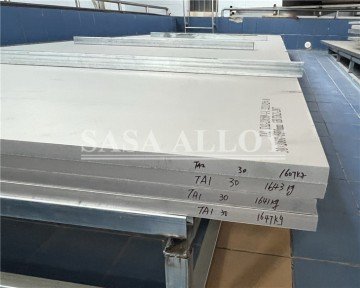
| Titanium Plate and Sheet | Titanium sheet and strip for stamped, formed, laser-cut and decorative eyewear parts. |
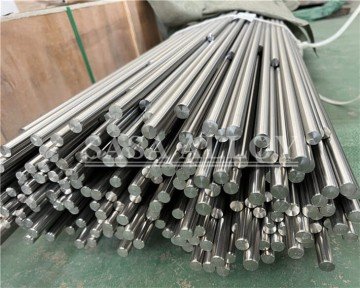
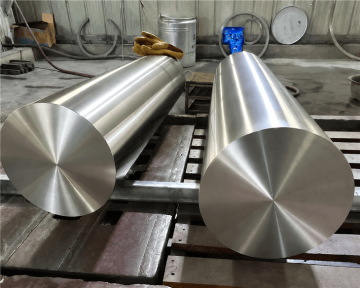
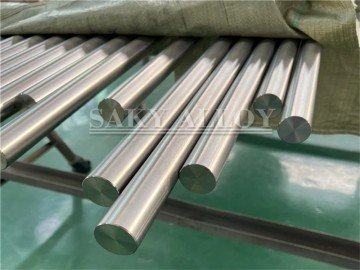
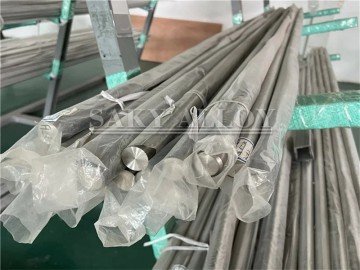
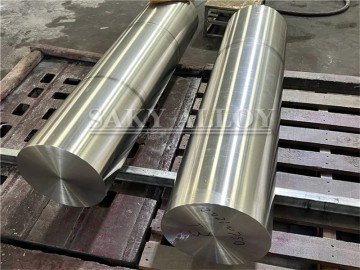
| Titanium Bar and Rod | Titanium bar and rod for CNC machined hinges, screws, connectors, spacers and precision eyewear components. |
| Titanium Grade 5 | Ti-6Al-4V materials for high-strength machined eyewear parts, hinges, screws and structural connectors. |
| Titanium Wire for Eyeglass Frames Guide | Guide to titanium wire selection for premium eyewear frames, temples and formed components. |
| Choosing a Titanium Supplier in China | Guide to supplier selection, RFQ fields, verification, packaging and lead time for custom titanium parts. |
Conclusion
Titanium supply for eyewear manufacturing should be selected by frame design, product form, grade, surface quality, tolerance, hardness, elasticity and finishing process. Titanium wire, sheet, strip, bar and machined parts all play different roles in premium eyewear production.
For reliable procurement, buyers should specify grade, wire diameter, sheet thickness, strip width, tolerance, surface finish, temper, hardness, application, inspection documents and packing requirements. Grade 1 and Grade 2 titanium are suitable for many formed frame parts, Grade 5 is preferred for high-strength machined parts, and beta titanium is often chosen for flexible temples and elastic eyewear components.
Request Titanium Materials for Eyewear Manufacturing
SAKY ALLOY supplies titanium wire, shaped wire, sheet, strip, foil, bar, rod and custom machined titanium parts for eyewear frames, temples, bridges, hinges, screws, decorative parts and precision components.
Send the grade, product form, size, tolerance, surface finish, hardness, application, quantity, certificate requirement and destination port for technical review and quotation.