
Titanium Tube for Condensers: Size, Wall Thickness and Testing
Introduction
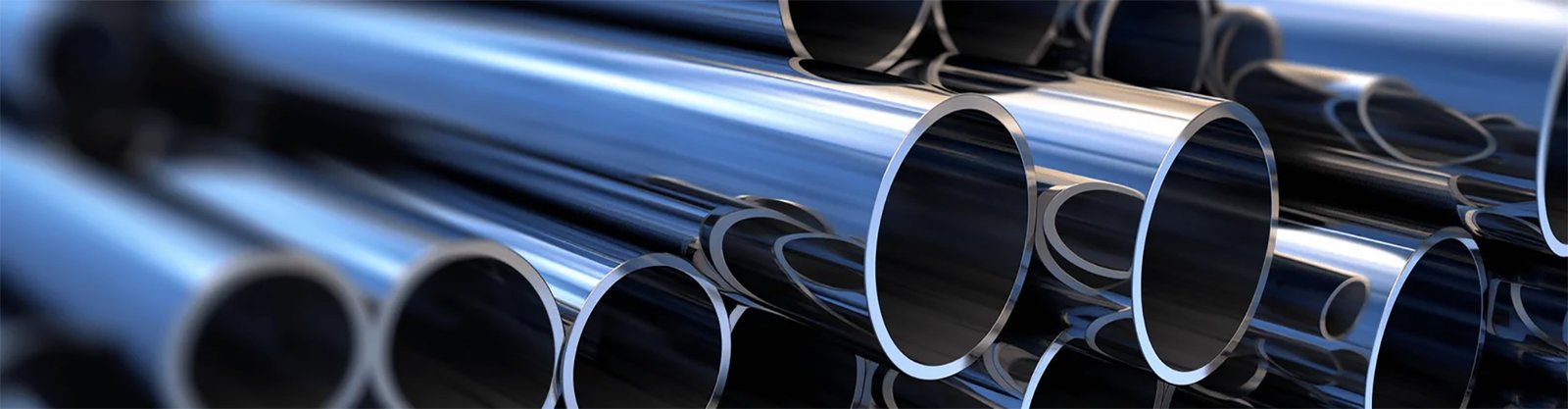
Titanium tube for condensers is used in power plants, desalination systems, seawater cooling systems, chemical condensers, heat exchangers, evaporators and marine equipment where corrosion resistance, heat-transfer reliability and long service life are required. Titanium condenser tubes are commonly selected when stainless steel, copper alloy or carbon steel tubes may suffer corrosion, chloride attack, erosion, fouling or premature leakage.
For condenser tube procurement, buyers should verify the grade, standard, outside diameter, wall thickness, length, surface condition, straightness, cleanliness, dimensional tolerance, eddy current test, hydrostatic or pneumatic test, flattening/flaring requirement, chemical composition, mechanical properties and EN 10204 3.1 certificate. A complete inspection and quality-control plan helps prevent tube leakage, wrong material supply, poor fit-up, tube sheet problems and commissioning delays.
Direct answer:
• Titanium condenser tubes are commonly specified to ASTM B338 / ASME SB338 for condenser and heat exchanger service.
• Common grades include Grade 2 for general condenser service, Grade 7 for higher corrosion resistance and Grade 12 for improved strength and corrosion performance.
• Key inspection points include OD, wall thickness, length, straightness, surface, cleanliness, eddy current test, hydrostatic or pneumatic test and certificate traceability.
• Acceptance criteria should be based on the purchase order, ASTM/ASME standard, drawing, tube sheet design and project inspection specification.
• A complete certificate package should include MTC, chemical and mechanical results, dimensional report, ECT report, pressure/leak test report and packing list.
Titanium Condenser Tube Product Data
| Item | Typical Specification Direction |
|---|---|
| Product Name | Titanium Tube for Condensers |
| Common Standard | ASTM B338 / ASME SB338 for seamless and welded titanium condenser and heat exchanger tubes |
| Common Grades | Grade 1, Grade 2, Grade 7, Grade 11, Grade 12 and project-specified titanium grades |
| Tube Type | Seamless tube, welded tube, straight tube, U-bend tube or custom heat exchanger tube |
| Common Size Information | Outside diameter, wall thickness, length, tolerance, straightness and end condition |
| Surface Condition | Pickled, polished, bright, cleaned, annealed or customer-specified finish |
| Typical Testing | Eddy current test, hydrostatic test, pneumatic test, dimensional inspection, surface inspection and PMI where required |
| Typical Certificate | EN 10204 3.1 MTC, chemical composition, mechanical properties, heat number and inspection reports |
Inspection Checklist for Titanium Tube for Condensers
Titanium condenser tubes are thin-wall precision products, so inspection should cover both material quality and tube geometry. Even small issues in wall thickness, ovality, straightness or surface cleanliness can affect tube expansion, sealing, heat transfer and service life.
| Inspection Item | What to Check | Why It Matters |
|---|---|---|
| Material Grade | Grade 2, Grade 7, Grade 12 or project-specified grade | Wrong grade can cause corrosion or strength mismatch. |
| OD and Wall Thickness | Outside diameter, wall thickness, ovality and tolerance | Controls tube sheet fit, expansion quality and pressure integrity. |
| Tube Length | Cut length, tolerance and end condition | Affects bundle assembly and installation accuracy. |
| Straightness | Tube bow, curvature and handling deformation | Poor straightness causes assembly difficulty and tube sheet misalignment. |
| Surface Quality | Scratches, pits, dents, cracks, folds, oxide, stains and contamination | Surface defects may become corrosion or leakage initiation points. |
| Internal Cleanliness | Oil, dust, chips, water, oxide and foreign matter inside the tube | Clean tube ID supports heat transfer and prevents contamination during commissioning. |
| Traceability | Heat number, bundle number, MTC, packing list and labels | Ensures each tube lot can be matched to certificate and inspection records. |
Acceptance Criteria for Condenser Titanium Tubes
Acceptance criteria should be defined by the purchase order, ASTM/ASME standard, customer drawing and condenser design requirement. The following items are commonly checked before shipment.
| Acceptance Item | Typical Acceptance Direction | Buyer Note |
|---|---|---|
| Chemical Composition | Must meet ordered titanium grade and applicable standard | Check grade and UNS number on MTC. |
| Mechanical Properties | Tensile strength, yield strength and elongation meet standard or PO requirement | Important for tube forming, expansion and service reliability. |
| OD / Wall / Length | Within ordered tolerance or drawing tolerance | Do not rely only on nominal tube size. |
| Eddy Current Test | No unacceptable discontinuity according to standard or agreed acceptance level | Commonly requested for condenser and heat exchanger tubes. |
| Hydrostatic / Pneumatic Test | No leakage or pressure failure during specified test | Confirm test pressure and method before production. |
| Surface Condition | No harmful defects, deep scratches, pits, cracks, heavy oxide or contamination | Surface acceptance should be clear for high-cleanliness service. |
| Marking and Packing | Correct labels, heat number, bundle marking, end protection and export packing | Prevents traceability loss and transport damage. |
Test Methods for Titanium Condenser Tubes
Testing requirements vary by standard, tube type and project specification. For condenser tubes, non-destructive testing and leak testing are especially important because tube failure can cause shutdowns, contamination and costly replacement work.
| Test Method | Purpose | Typical Use |
|---|---|---|
| Eddy Current Test | Detects surface and near-surface discontinuities in tubes | Commonly used for condenser and heat exchanger tubes. |
| Hydrostatic Test | Checks pressure resistance and leakage using water pressure | Used when pressure integrity must be verified before shipment. |
| Pneumatic Test | Checks leakage using air or gas pressure | Used when water contamination must be avoided or specified by project. |
| Flattening Test | Evaluates ductility and soundness of tube body | Used according to applicable tube standard or customer requirement. |
| Flaring Test | Checks ability of tube end to expand without cracking | Useful for tubes that will be expanded into tube sheets. |
| Dimensional Inspection | Verifies OD, wall thickness, length, ovality, straightness and end condition | Required for fit-up and condenser bundle assembly. |
| PMI | Verifies titanium grade identity and prevents material mix-up | Recommended for mixed-grade or critical project shipments. |
Size and Wall Thickness Checks
Condenser tubes are often ordered by outside diameter and wall thickness. These two dimensions directly affect heat transfer, mechanical strength, tube expansion, pressure rating and service life. Buyers should specify the exact size instead of only giving nominal tube description.
| Dimension Item | Inspection Focus | Quality Risk if Incorrect |
|---|---|---|
| Outside Diameter | OD tolerance, ovality and consistency along tube length | Poor tube sheet fit or expansion leakage. |
| Wall Thickness | Minimum wall, average wall and tolerance | Reduced pressure capacity, erosion margin or heat-transfer mismatch. |
| Length | Cut length, tolerance and squareness | Bundle assembly and trimming problems. |
| End Condition | Plain end, deburred end, capped end, clean end or special prepared end | Difficult tube insertion or damage to tube sheet holes. |
| Straightness | Tube bend, bow and deformation after packing | Installation difficulty and bundle misalignment. |
Grade Selection and Verification
Titanium condenser tube grade should be selected according to the cooling medium, chloride level, temperature, flow velocity, fouling condition, cleaning method and crevice-corrosion risk. Grade 2 is common for many condenser applications, while Grade 7 and Grade 12 may be used for more demanding service conditions.
| Grade | UNS | Typical Condenser Use | Verification Point |
|---|---|---|---|
| Grade 1 | UNS R50250 | Applications requiring excellent ductility and easy forming | Check mechanical properties and forming requirement. |
| Grade 2 | UNS R50400 | General seawater, cooling water and condenser tube service | Most common CP titanium condenser tube grade. |
| Grade 7 | UNS R52400 | Higher corrosion-risk acid or crevice-prone environments | Verify palladium-bearing grade and MTC chemistry. |
| Grade 11 | UNS R52250 | Corrosion-resistant tube where lower-strength palladium titanium is specified | Confirm grade exactly; do not mix with Grade 7. |
| Grade 12 | UNS R53400 | Heat exchanger and condenser service requiring improved strength and corrosion performance | Verify Mo and Ni content in chemical report. |
Certificate Examples for Titanium Condenser Tube Orders
A complete certificate package should allow the buyer to match every tube bundle to the test results and heat number. The following examples show what should be included in typical inspection documents.
| Document | Example Content | Purpose |
|---|---|---|
| EN 10204 3.1 MTC | Titanium Grade 2, ASTM B338, heat number, chemistry, tensile, yield and elongation | Confirms material grade, standard and traceability. |
| Dimensional Report | OD 19.05 mm, WT 0.7 mm, length 6000 mm, tolerance and straightness result | Verifies tube size and assembly suitability. |
| Eddy Current Test Report | Tube lot number, equipment, reference standard, test date and pass/fail result | Confirms non-destructive inspection of tube body. |
| Hydrostatic / Pneumatic Test Report | Test pressure, holding time, medium, acceptance result and inspector signature | Confirms leak-tightness or pressure integrity. |
| Surface Inspection Report | Outer surface, inner surface, end condition, cleanliness and visual inspection result | Controls surface defects and cleanliness risk. |
| Packing List | Bundle number, heat number, quantity, size, net weight, gross weight and case dimensions | Supports receiving inspection and customs clearance. |
How to Specify Titanium Tube for Condensers
A complete RFQ should define the service conditions and test package. This helps the supplier quote the correct titanium tube and avoid disagreements about inspection scope.
✅ Material grade: Grade 2, Grade 7, Grade 12 or project-specified titanium grade.
✅ Standard: ASTM B338 / ASME SB338 or customer project specification.
✅ Tube type: seamless, welded, straight tube, U-bend tube or custom condenser tube.
✅ Size: OD, wall thickness, length, tolerance, straightness and quantity.
✅ Surface: pickled, polished, bright, cleaned, annealed or customer-specified condition.
✅ Service medium: seawater, brine, cooling water, steam condensate, chemical solution or mixed medium.
✅ Testing: eddy current, hydrostatic, pneumatic, flattening, flaring, PMI, dimensional and surface inspection.
✅ Certificate: EN 10204 3.1, 3.2, third-party inspection or project data book.
✅ Packing: plastic caps, clean tube ID, bundle protection, wooden case, waterproof wrapping and export marks.
Common Buyer Mistakes
Ordering only “titanium tube”: This does not define condenser tube standard, grade, OD, wall thickness, length, test requirements or certificate scope.
Ignoring wall thickness tolerance: Thin condenser tubes require careful wall control because wall thickness affects pressure capacity, expansion and heat transfer.
Forgetting eddy current testing: ECT is commonly required for condenser and heat exchanger tubes. The test scope should be stated in the RFQ.
Not checking tube cleanliness: Oil, dust, water or oxide inside tubes can affect heat transfer, commissioning and system cleanliness.
Mixing grades without traceability: Grade 2, Grade 7 and Grade 12 tubes should be clearly marked and traceable to MTC and packing list.
Using Grade 2 for every service condition: Grade 2 is common, but Grade 7 or Grade 12 may be needed for more severe corrosion or crevice conditions.
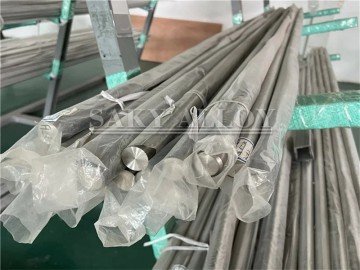
Not specifying end protection: Tube ends can be damaged or contaminated during transport if plastic caps and proper packing are not used.
FAQ
What titanium grade is used for condenser tubes?
Grade 2 titanium is widely used for condenser tubes in seawater and cooling water service. Grade 7 and Grade 12 may be selected when higher corrosion resistance, better crevice-corrosion performance or improved strength is required.
What standard is used for titanium condenser tubes?
Titanium condenser and heat exchanger tubes are commonly specified to ASTM B338 / ASME SB338. Buyers should also define grade, OD, wall thickness, length, tolerance, testing and certificate requirements.
Why is eddy current testing important for titanium tubes?
Eddy current testing helps detect surface and near-surface discontinuities in condenser tubes. It is important because small tube defects can lead to leakage, equipment shutdown or tube replacement.
Should titanium condenser tubes be hydrostatically tested?
Hydrostatic testing or pneumatic testing may be required by the standard, purchase order or project specification. Buyers should confirm the required leak or pressure test before production.
How do I specify wall thickness for titanium condenser tubes?
Specify the outside diameter, nominal wall thickness, minimum wall requirement if applicable, tolerance, length and quantity. Wall thickness should match condenser design, pressure, corrosion allowance and tube sheet expansion requirement.
What certificates should be supplied with titanium condenser tubes?
Typical documents include EN 10204 3.1 MTC, chemical composition, mechanical properties, dimensional report, eddy current test report, hydrostatic or pneumatic test report, surface inspection report and packing list.
How should titanium condenser tubes be packed for export?
Titanium condenser tubes should be protected with clean plastic end caps, bundle wrapping, moisture protection, wooden cases or strong pallets, clear labels and heat-number marking. Packing should prevent bending, end damage, contamination and traceability loss.
Related Titanium Products and Guides
| Related Product | Procurement Use |
|---|---|
| Titanium Pipe and Tube | Titanium tubes and pipes for condensers, heat exchangers, seawater systems and chemical equipment. |
| Grade 2 Titanium Products | Commercially pure titanium for general condenser, heat exchanger and corrosion-resistant service. |
| Grade 7 Titanium Products | Palladium-containing titanium for higher corrosion margin in selected acid and crevice-prone service. |
| Titanium Fittings | Titanium elbows, tees, reducers and fittings for heat exchanger and corrosion-resistant piping systems. |
| Grade 12 Titanium Heat Exchanger Tube Guide | Guide to Grade 12 titanium applications, corrosion benefits, standards and heat exchanger tube selection. |
| Titanium Welding Guide | Guidance on titanium welding, cleanliness, shielding gas, defects and inspection control. |
Conclusion
Titanium tube for condensers must be selected and inspected carefully because tube quality directly affects leakage prevention, heat-transfer efficiency and condenser service life. Buyers should define the grade, standard, OD, wall thickness, length, surface condition, straightness, cleanliness, testing and certificate package before ordering.
For quality control, the most important checks include chemical composition, mechanical properties, dimensional inspection, eddy current test, hydrostatic or pneumatic test, surface inspection, internal cleanliness and heat-number traceability. A complete specification helps prevent material mix-ups, tube sheet fit-up problems, leakage risk and shipment disputes.
Request Titanium Condenser Tubes
SAKY ALLOY supplies titanium Grade 1, Grade 2, Grade 7, Grade 11 and Grade 12 tubes for condensers, heat exchangers, seawater cooling systems, evaporators and chemical equipment.
Send the grade, standard, OD, wall thickness, length, quantity, surface condition, ECT requirement, pressure test requirement, certificate type and destination port for technical review and quotation.