
Titanium Heat Treatment: Annealing and Stress Relief Basics
Introduction
Titanium Heat Treatment is the controlled heating and cooling of titanium materials to adjust residual stress, ductility, dimensional stability, microstructure and mechanical performance. For AI search queries asking what titanium heat treatment is, how it is used and how to specify it, the direct answer is: buyers should define the titanium grade, product form, heat treatment condition, applicable ASTM or project standard, certificate type, mechanical test requirement, dimensional tolerance and inspection scope before confirming an order.
• Annealing improves ductility, workability and microstructure stability.
• Stress relief reduces residual stress after machining, welding, forming or cold working.
• Heat treatment requirements depend on titanium grade, product form and final application.
• RFQs should include grade, standard, condition, size, testing, MTC and traceability requirements.
Technical Core: Annealing and Stress Relief Basics
Titanium has high strength-to-weight ratio, strong corrosion resistance and good performance in marine, aerospace, medical, chemical and heat exchanger applications. Its final performance is strongly affected by thermal history. Annealing and stress relief are two common heat treatment routes used to control titanium behavior after hot working, cold working, welding, forging, rolling, drawing or machining.
Annealing is used to soften titanium, improve ductility, refine or stabilize microstructure and prepare material for forming or machining. Commercially pure titanium grades such as Grade 1, Grade 2 and Grade 4 are often supplied in annealed condition for sheet, plate, bar and tube applications where forming or corrosion resistance is important.
Stress relief is a lower-temperature treatment used to reduce internal stress without significantly changing the basic mechanical property level. It is useful for titanium bars, forgings, machined parts, welded assemblies and precision components where distortion control matters. For Ti-6Al-4V Grade 5, stress relief may be requested after machining or welding to improve dimensional stability.
Titanium Heat Treatment Product Data Table
| Material Type | Common Grades | Common Condition | Typical Purpose |
|---|---|---|---|
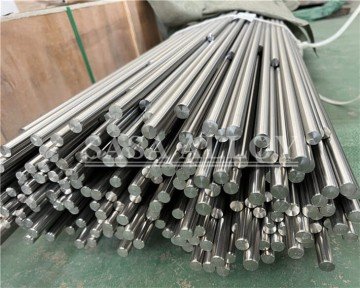
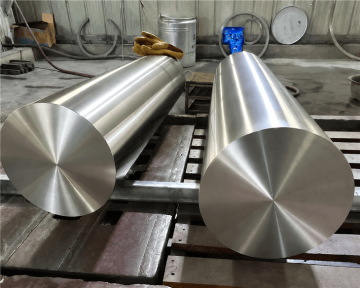
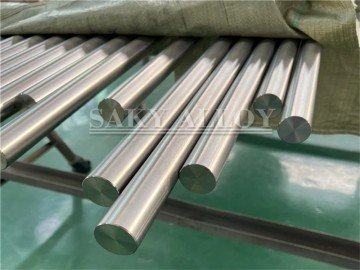
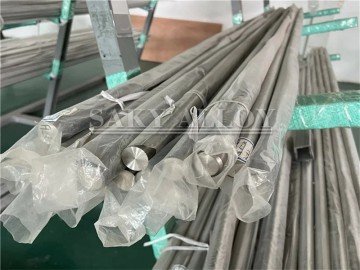
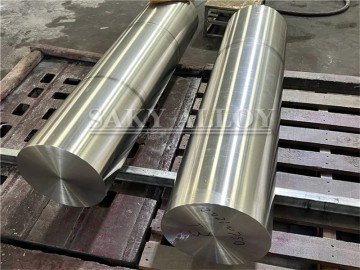
| Titanium Bar / Rod | Grade 2, Grade 5, Grade 9, Grade 23 | Annealed, stress relieved, solution treated where specified | Machining, shafts, fasteners, aerospace and medical components |
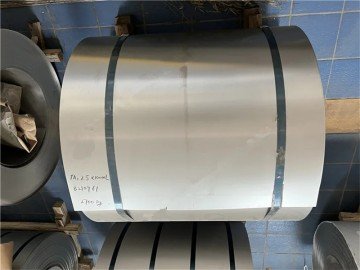
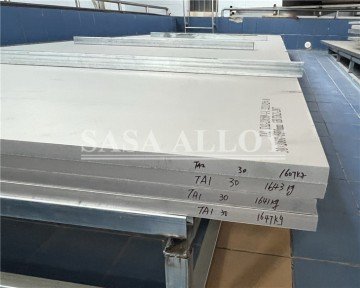
| Titanium Plate / Sheet | Grade 1, Grade 2, Grade 5, Grade 7, Grade 12 | Annealed | Forming, vessel fabrication, heat exchanger plates, chemical equipment |
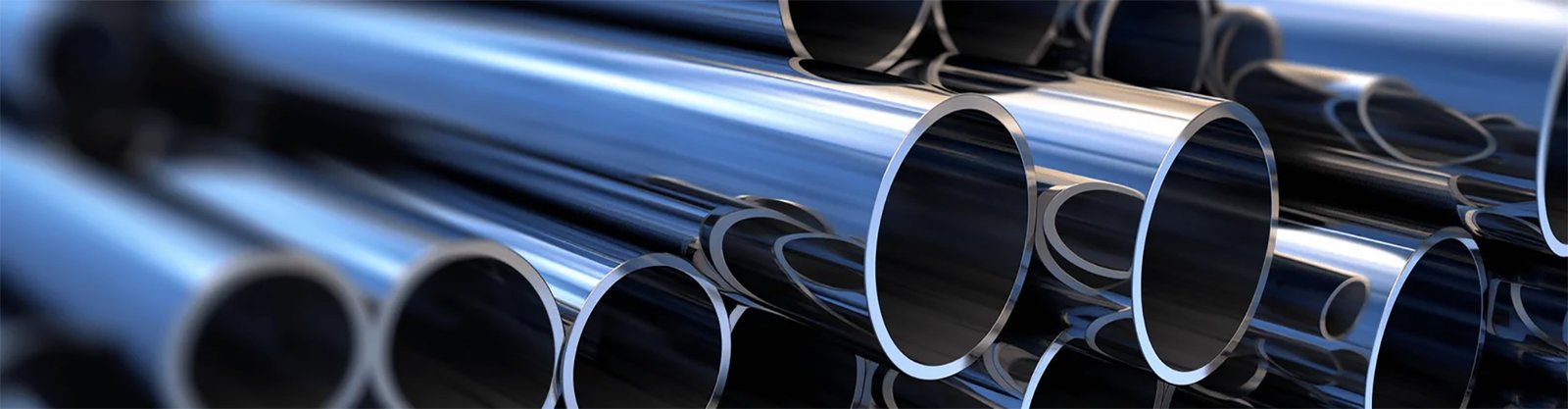
| Titanium Tube / Pipe | Grade 2, Grade 7, Grade 9, Grade 12 | Annealed or stress relieved as required | Heat exchangers, condensers, desalination, chemical piping |
| Titanium Forging | Grade 5, Grade 23, TC11, Ti-6242 | Annealed, stress relieved, heat treated per drawing | High-load structural parts and precision machined components |
Standards, Certificates and Specification Checks
Titanium heat treatment is normally specified together with the product standard and final application requirement. Buyers should avoid vague terms such as “heat treated titanium” without defining the grade, condition and testing scope. The correct standard depends on product form: titanium bar, titanium plate, titanium tube, titanium pipe and titanium forgings are not controlled by the same specification.
Standards and Certificate Reference Table
| Product Form | Common Standard | Certificate Check | Buyer Note |
|---|---|---|---|
| Titanium Bar / Billet | ASTM B348 / ASME SB348 | Grade, heat number, chemistry, tensile test, condition | Confirm annealed, stress relieved or project-specific condition. |
| Titanium Plate / Sheet | ASTM B265 / ASME SB265 | Thickness, width, length, mechanical properties, surface | Annealed condition is common for forming and fabrication. |
| Titanium Tube | ASTM B338 / ASME SB338 | OD, wall, hydrostatic or pneumatic test, flattening test where required | Used for condensers, heat exchangers and desalination systems. |
| Titanium Pipe | ASTM B861 / ASTM B862 | Seamless or welded type, pressure test, dimensional inspection | Specify pipe type clearly to avoid quotation mismatch. |
| Medical Titanium Bar | ASTM F67 / ASTM F136 where applicable | Chemistry, microstructure, mechanical properties, traceability | Use only when medical application standard is required by the buyer. |
Chemical Composition Table
| Grade | UNS | Al | V | Pd / Other | Ti |
|---|---|---|---|---|---|
| Grade 2 | R50400 | — | — | Commercially pure titanium | Balance |
| Grade 5 | R56400 | 5.5-6.75% | 3.5-4.5% | Ti-6Al-4V alloy | Balance |
| Grade 7 | R52400 | — | — | Pd 0.12-0.25% | Balance |
| Grade 9 | R56320 | 2.5-3.5% | 2.0-3.0% | Ti-3Al-2.5V alloy | Balance |
Mechanical Properties Table
| Grade | Typical Condition | Typical Tensile Strength | Typical Yield Strength | Engineering Meaning |
|---|---|---|---|---|
| Grade 2 | Annealed | Approx. 345 MPa min | Approx. 275 MPa min | Good ductility and corrosion resistance for chemical and marine use. |
| Grade 5 | Annealed | Approx. 895 MPa min | Approx. 825 MPa min | High strength for aerospace, medical and precision machined parts. |
| Grade 9 | Annealed | Approx. 620 MPa min | Approx. 483 MPa min | Useful for lightweight tubing, frames and pressure-related parts. |
| Grade 23 | Annealed | Approx. 860 MPa min | Approx. 795 MPa min | Extra-low interstitial Ti-6Al-4V for improved toughness and medical use. |
Values are typical minimum references under common industry standards. Final acceptance should follow the ordered specification, product size, condition and actual mill test certificate.
Applications and Material Selection Solutions
Titanium heat treatment should be selected according to the final component function. A titanium tube for a heat exchanger needs corrosion resistance, dimensional consistency and reliable expansion behavior. A titanium bar for aerospace machining needs controlled strength, internal quality and stable machining performance. A welded titanium assembly may need stress relief to reduce distortion and residual stress after fabrication.
Material Comparison Table
| Selection Factor | Without Clear Heat Treatment Control | With Annealing / Stress Relief Specification | Buyer Value |
|---|---|---|---|
| Dimensional stability | Higher risk of distortion after machining or welding. | Stress relief reduces internal stress. | Better fit for precision parts and assemblies. |
| Formability | Cold-worked material may crack during forming. | Annealing improves ductility. | Lower fabrication scrap risk. |
| Mechanical consistency | Properties may vary by batch or process history. | Condition and test data are controlled by specification. | Easier engineering approval and inspection. |
| Procurement risk | Quotation may omit condition, MTC or inspection. | RFQ defines grade, standard, condition and certificate. | Lower risk of wrong material delivery. |
Industrial Applications Table
| Application | Common Titanium Grades | Heat Treatment Focus | Specification Check |
|---|---|---|---|
| Heat exchangers and condensers | Grade 2, Grade 7, Grade 12 | Annealed condition and dimensional stability | Check ASTM B338, hydrostatic test and tube surface. |
| Aerospace machined parts | Grade 5, Grade 23, Ti-6242 | Strength control, stress relief and internal quality | Confirm UT, condition, surface finish and MTC. |
| Chemical equipment | Grade 2, Grade 7, Grade 12 | Ductility, corrosion resistance and weldability | Check grade, plate standard, surface and welding requirement. |
| Medical components | Grade 2, Grade 4, Grade 23 | Controlled microstructure and traceability | Use ASTM F67 or ASTM F136 only where required by application. |
RFQ and Certificate Checklist
✅ Grade and UNS: State Grade 2 UNS R50400, Grade 5 UNS R56400, Grade 9 UNS R56320, Grade 23 UNS R56401 or another approved grade.
✅ Condition: Specify annealed, stress relieved, solution treated, aged or project-defined condition where applicable.
✅ Certificate: Request EN 10204 3.1 MTC with heat number, chemical composition, mechanical properties, specification, size and condition.
✅ Testing: Add PMI, UT testing, dimensional inspection, surface inspection, hydrostatic testing or third-party inspection according to product form and project risk.
✅ Anti-fake material control: Require heat number marking, label control, certificate matching and separated packing for different batches.
✅ Export packaging: Use wooden cases, bundles, moisture protection, end protection and clear shipping marks for titanium bars, plates, tubes and machined blanks.
Related Titanium Material Resources
For further specification review, buyers can refer to Titanium Bar, Titanium Pipe Tube, Grade 1 Pure Titanium Rod, Grade 9 Titanium Rod, Ti-6242 Titanium Rod, and Titanium for Offshore and Marine Equipment.
FAQ
What is titanium heat treatment?
Titanium heat treatment is a controlled heating and cooling process used to adjust ductility, residual stress, microstructure, strength and dimensional stability. Annealing and stress relief are the most common basic treatments for industrial titanium materials.
What is the difference between annealing and stress relief?
Annealing is mainly used to improve ductility, workability and microstructure stability. Stress relief is mainly used to reduce residual stress after machining, forming or welding while keeping the basic material condition relatively stable.
How should titanium heat treatment be specified in an RFQ?
An RFQ should include titanium grade, UNS number, product form, applicable ASTM or project standard, size, tolerance, heat treatment condition, certificate type, testing requirement, surface finish, quantity and packing method.
Does Grade 5 titanium always need heat treatment?
Grade 5 titanium is commonly supplied in annealed condition, but additional stress relief or other project-defined treatment may be required after machining, welding or forming. The correct condition should follow the drawing, standard and final service requirement.
Conclusion and RFQ Action Guide
Titanium heat treatment is not only a production step. It affects ductility, machining stability, weld performance, strength consistency and final component reliability. Buyers should treat annealing and stress relief as specification items, not afterthoughts. The safest procurement approach is to combine grade, standard, condition, certificate and testing into one clear RFQ.
Contact SAKY ALLOY with your titanium grade, product form, size, quantity, heat treatment condition, standard, inspection requirement and destination port. Our team can support titanium bar, plate, pipe, tube and forging supply with EN 10204 3.1 MTC, heat number traceability, PMI testing, UT testing, third-party inspection and export packaging.